
ABOUT METTA
Welcome to Metta
Following in the Buddha's Footsteps
Enhancing our journey are captivating documentaries that weave together the threads of history, spirituality, and culture. Immerse yourself in visual narratives that bring to life the stories of great masters, the evolution of Buddhist philosophy, and the enduring legacy of this ancient tradition. We invite you to be a part of our community, where the exchange of ideas and experiences enriches our collective understanding. Whether you're a seasoned practitioner or a curious soul taking the rst steps on the Eightfold Path, your attendance is a space for everyone seeking inspiration and enlightenment. Embark on this transformative journey with us as we explore the intersections of Buddhist wisdom, sacred sites, and the cinematic artistry that brings it all to life.
Read MoreOUR ARCHIVES
BOOKS
AUDIO
BUDDHIST SITES

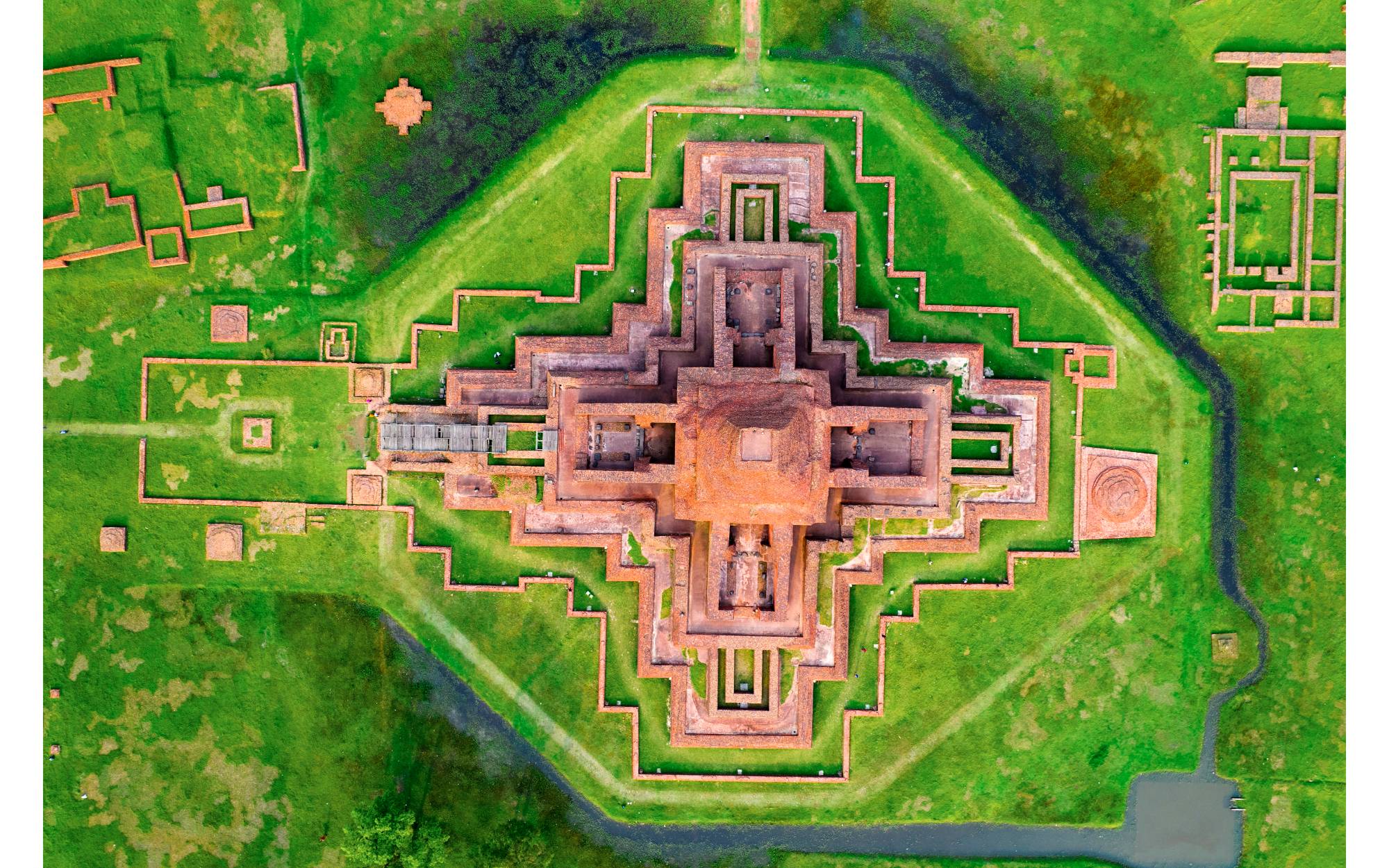
<p class="MsoNormal" style="text-align:justify">Somapura Mahavihara at Paharpur stands as one of the most important archaeological and religious heritage sites in Bangladesh and the wider Buddhist world. Located in present-day Naogaon District in northwestern Bangladesh, the monument is internationally recognized for its scale, architectural sophistication, and historical significance as a major center of Buddhist learning during the Pala period (UNESCO World Heritage Centre, n.d.; Ahmed, 2012). More than a ruined monastery, Somapura Mahavihara represents a remarkable cultural landscape where architecture, religion, art, and education once came together in a highly organized monastic setting.</p>

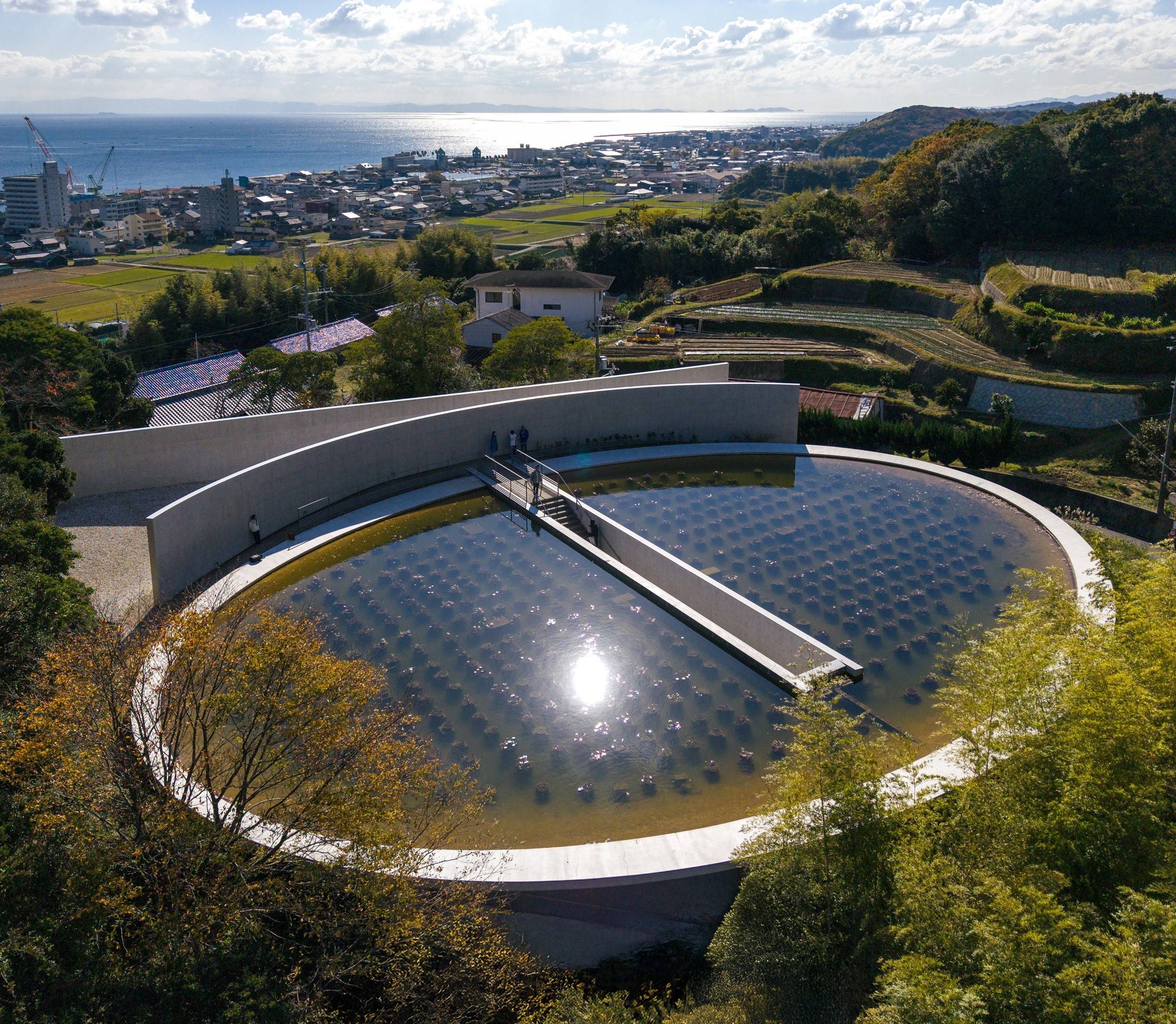
<p data-start="152" data-end="202">You arrive at a temple with no roof.<br data-start="188" data-end="191"> Only water.</p><p data-start="152" data-end="202">A quiet path leads you between concrete walls, the world fading to a hush.<br data-start="278" data-end="281"> Ahead: an oval lotus pond reflecting sky like a held breath.<br data-start="341" data-end="344"> A single cut through the water invites you down.</p> <p data-start="394" data-end="510">Step by step, you descend—leaving noise, heat, and hurry on the surface.<br data-start="466" data-end="469"> Light thins. Air cools. Footsteps slow.</p> <p data-start="512" data-end="753">Below the pond, a circle of vermilion glows.<br data-start="556" data-end="559"> Timber lattice shimmers with soft daylight, as if filtered through the lotus above.<br data-start="642" data-end="645"> This is Tadao Ando’s Honpukuji—The Water Temple—where the “roof” is a mirror and the threshold is a descent.</p><p data-start="182" data-end="435">Once upon a time on the island of <strong data-start="216" data-end="232">Awaji, Japan</strong>, a quiet hill watched over the inland sea. It was here that <strong data-start="293" data-end="307">Tadao Ando</strong>, the poet of concrete and light, chose to build not just a temple — but an <strong data-start="383" data-end="432">experience of meditation through architecture</strong>.</p> <p data-start="437" data-end="678">As you approach <strong data-start="453" data-end="466">Honpukuji</strong>, there are no grand gates or towering pagodas. Instead, you face a serene <strong data-start="541" data-end="560">oval lotus pond</strong>, perfectly still, reflecting the sky above. You might think the temple lies beyond it — but no — it lies <em data-start="666" data-end="675">beneath</em>.</p><p data-start="680" data-end="914">A narrow staircase cuts through the pond, guiding you <strong data-start="734" data-end="754">downward, deeper</strong>, into the silence. The further you go, the quieter the world becomes. Concrete walls embrace you, leading to a wooden sanctuary glowing in dim, sacred light.Here, <strong data-start="922" data-end="952">water and faith intertwine</strong>. The pond above filters sunlight into gentle ripples below, casting moving shadows over the red interior. Every step is a meditation. Every wall, a pause for breath.</p> <p data-start="1122" data-end="1285">Ando doesn’t ask you to simply look at architecture — he invites you to <em data-start="1194" data-end="1200">feel</em> it. To descend into yourself, to find calm beneath the surface noise of the world.</p> <p data-start="1287" data-end="1419">It’s not just a temple.<br data-start="1310" data-end="1313"> It’s <strong data-start="1318" data-end="1354">Tadao Ando’s whisper to the soul</strong>:<br data-start="1355" data-end="1358"> <em data-start="1358" data-end="1417">"Only when you go beneath the surface do you find peace."</em></p><p><br><br></p><p><br></p>

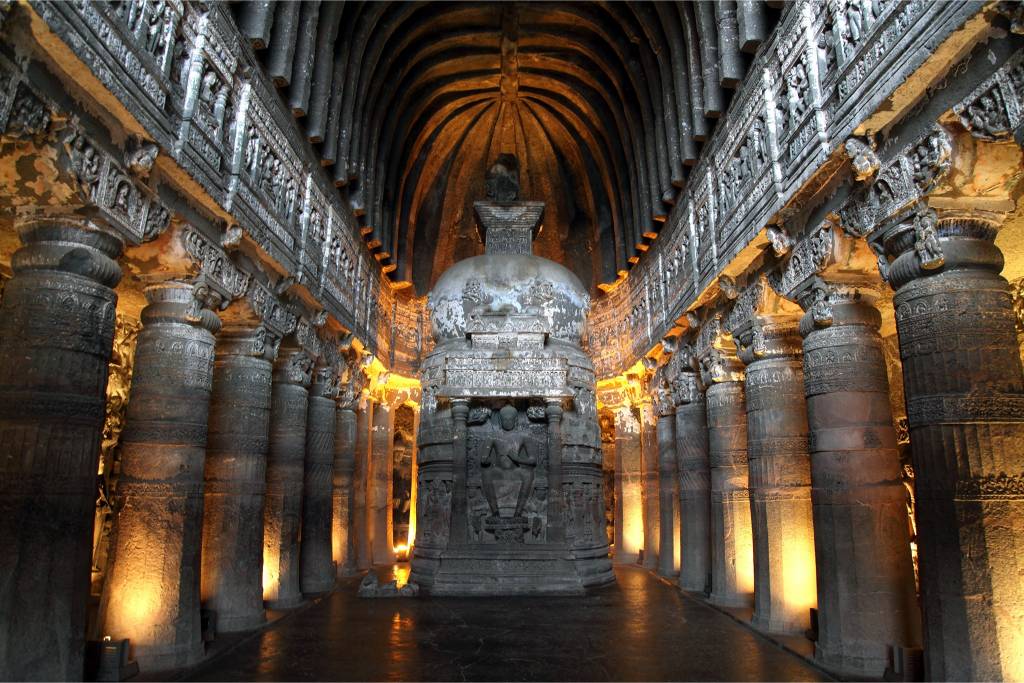
অজন্তা গুহা: প্রাচীন শিল্প ও স্থাপত্যের মাধ্যমে চিরকালীন যাত্রা ভারতের হৃদয়ে অবস্থিত অজন্তা গুহাগুলি প্রাচীন স্থাপত্য, শিল্প এবং আধ্যাত্মিকতার চমকপ্রদ সাক্ষ্য। এই পাথর-কাটা আশ্চর্যগুলি, যা ৱাঘোরা নদীর গিরিখাতে খোদিত, খ্রিস্টপূর্ব ২য় শতক থেকে শুরু করে খ্রিস্টাব্দ ৬ষ্ঠ শতক পর্যন্ত বিস্তৃত, সময়ের মধ্যে এক অবিস্মরণীয় যাত্রার প্রস্তাব দেয়।অজন্তা গুহাগুলি কেবল একটি স্থাপত্য বিস্ময় নয়—এগুলি একটি আধ্যাত্মিক আশ্রয় এবং প্রাচীন শিল্পীদের জন্য একটি ক্যানভাস, যারা তাদের সৃষ্টিশীলতা এবং ভক্তি প্রতিটি সঠিক স্থানে নিয়োজিত করেছেন। ১৯৮৩ সাল থেকে ইউনেস্কো বিশ্ব ঐতিহ্যবাহী স্থান হিসেবে স্বীকৃত, এই গুহাগুলি এখনও পৃথিবীজুড়ে কোটি কোটি দর্শনার্থীকে মুগ্ধ এবং অনুপ্রাণিত করে চলেছে।এই ৩০টি গুহা একটি উল্লেখযোগ্য মিশ্রণ—বৌদ্ধ মন্দির, সন্ন্যাসী বসবাসের স্থান এবং বৃহত্তর মন্দির। গুহাগুলি প্রধানত বৌদ্ধ সন্ন্যাসীদের দ্বারা ধ্যান ও পূজার স্থান হিসেবে ব্যবহৃত হত। এগুলি দুটি প্রধান সময়কালে বিভক্ত: প্রথমত হিনায়ানা পর্যায়, যা সরলতা এবং সংযম দ্বারা চিহ্নিত, এবং পরবর্তীতে মহায়ানা পর্যায়, যেখানে জটিল মূর্তি এবং জীবন্ত চিত্রকর্মের প্রসার ঘটে।অজন্তা গুহাগুলির সবচেয়ে আকর্ষণীয় বৈশিষ্ট্য হল তাদের চমকপ্রদ মুরাল চিত্রকর্ম, যা বেশ কয়েকটি গুহার দেয়ালে আচ্ছাদিত। এই চিত্রকর্মগুলি বুদ্ধের জীবন, যাত্রা কাহিনীগুলি এবং প্রাচীন ভারতের মানুষের দৈনন্দিন জীবন চিত্রিত করে। বিস্তারিত চিত্রণ, যার কিছু ১৫০০ বছরেরও বেশি পুরানো, অবিশ্বাস্য দক্ষতা এবং মানব অনুভূতি ও অভিব্যক্তির একটি গভীর উপলব্ধি প্রদর্শন করে যা আজও দর্শকদের সাথে প্রতিধ্বনিত হয়।একইভাবে চিত্তাকর্ষক হল গুহাগুলির অভ্যন্তরে শোভিত মূর্তি এবং ভাস্কর্যগুলি। এর মধ্যে বুদ্ধের বিভিন্ন ভঙ্গিতে শান্তিপূর্ণ চিত্র, পাশাপাশি অন্যান্য দैব figures এবং জটিল খোদাই রয়েছে যা ধর্মীয় কাহিনী বর্ণনা করে।যদি আপনি একজন শিল্পপ্রেমী, ইতিহাস অনুরাগী, বা প্রাচীন ভারতের রত্নসমূহ সম্পর্কে কৌতূহলী হন, তবে অজন্তা গুহাগুলি আপনাকে অতীত যুগের শিল্প ও সাংস্কৃতিক ঐতিহ্যের একটি অতুলনীয় চিত্র প্রদান করবে।

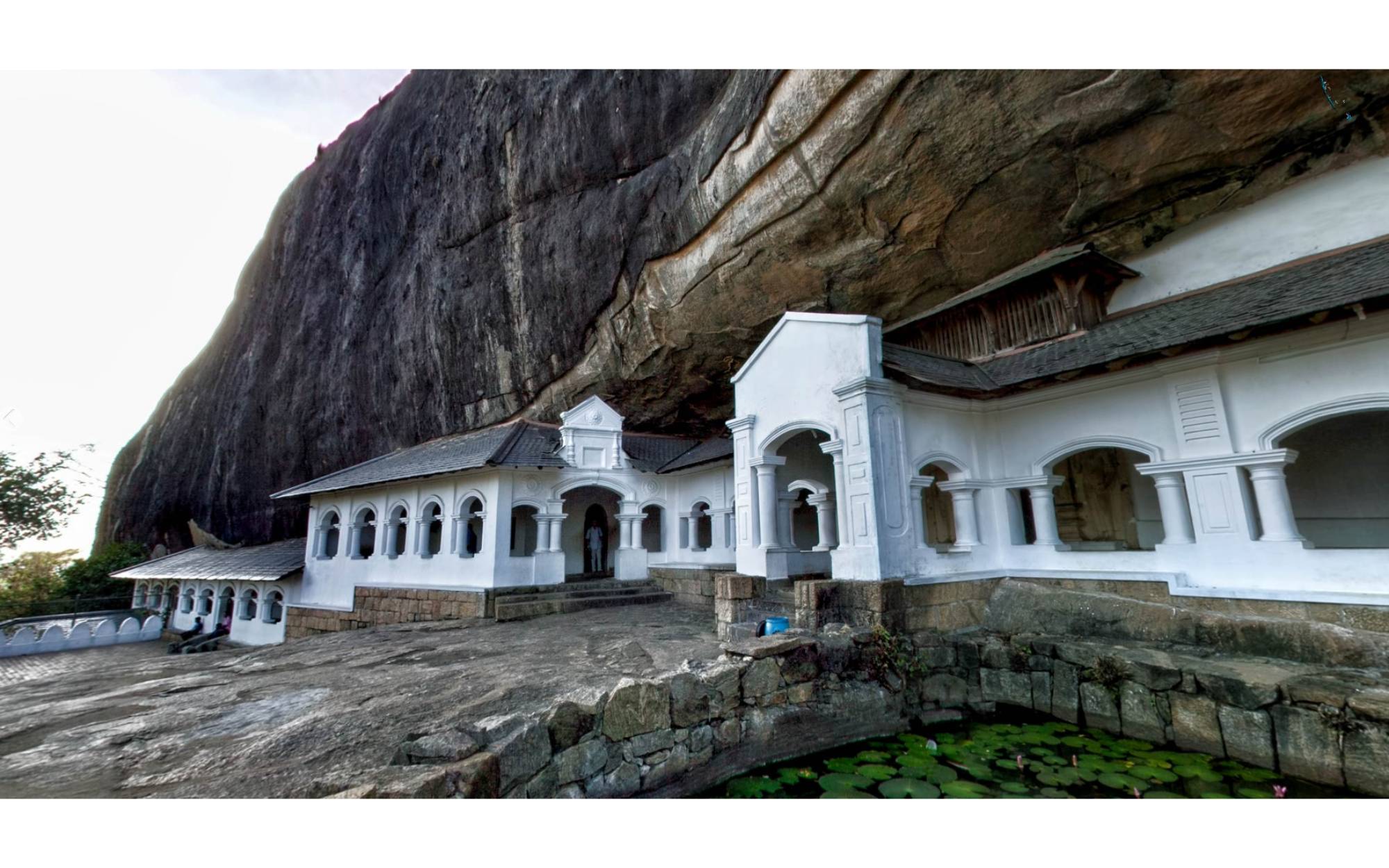
ডাম্বুলা গুহা মন্দির, যা "ডাম্বুলার সোনালী মন্দির" নামেও পরিচিত, ইউনেস্কো বিশ্ব ঐতিহ্য স্থান হিসেবে স্বীকৃত এবং শ্রীলঙ্কার অন্যতম আইকনিক এবং পবিত্র স্থান। এই মন্দিরটি শ্রীলঙ্কার কেন্দ্রীয় অঞ্চলে অবস্থিত এবং এটি শ্রীলঙ্কার বৃহত্তম ও সবচেয়ে ভালোভাবে সংরক্ষিত গুহা মন্দির কমপ্লেক্স, যা দেশের সমৃদ্ধ বৌদ্ধ ঐতিহ্য এবং শিল্পকলা ধারার এক দৃষ্টিনন্দন প্রতিচ্ছবি।ডাম্বুলা গুহা মন্দির প্রকৃতি, শিল্প এবং আধ্যাত্মিকতার এক অবিস্মরণীয় মিশ্রণ হিসেবে দাঁড়িয়ে রয়েছে, যা শ্রীলঙ্কার প্রাচীন বৌদ্ধ ঐতিহ্যের গভীরতম অন্তর্দৃষ্টি প্রদান করে। এর ইতিহাসের সমৃদ্ধতা এবং চমৎকার শিল্পকলা দর্শকদেরকে শ্রীলঙ্কার সাংস্কৃতিক ঐতিহ্য এবং ধর্মীয় ইতিহাসে আগ্রহী ব্যক্তিদের জন্য একটি অবশ্যই দর্শনীয় গন্তব্যে পরিণত করেছে।

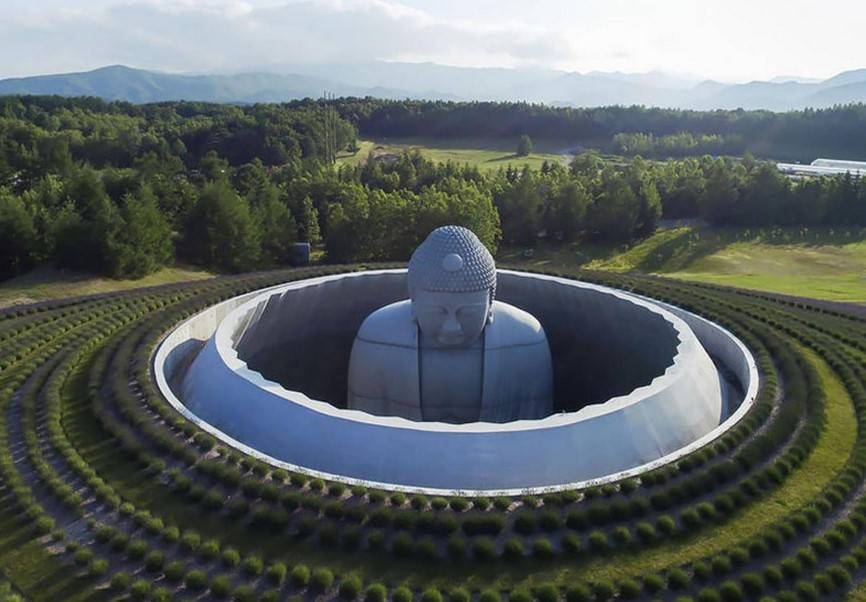
<p>Hill of the Buddha is a Buddhist shrine designed by architect Tadao Ando in makomanai Takino Cemetery in Sapporo, Japan. Since its establishment in 1982, the cemetery is well known for the row of moai megaliths. Although it is a Buddhist shrine, the statue or the place is not associated with the religion. Furthermore, with every step revealing a tiny portion of the figure, it plays on the aspect of mystery. Thus, mounds of lavender fields surround the shrine, with only the head visible from the entrance. </p><p><b>Name: Hill of the Buddha (仏の丘 / Hotoke no Oka) </b></p><p>Location: Makomanai Takino Cemetery, Sapporo, Hokkaido, Japan</p><p> Architect: Tadao Ando </p><p>Completed: 2015 </p><p>Function: Spiritual and contemplative space, centralizing an existing statue of Buddha within a newly designed landscape and structure.</p>

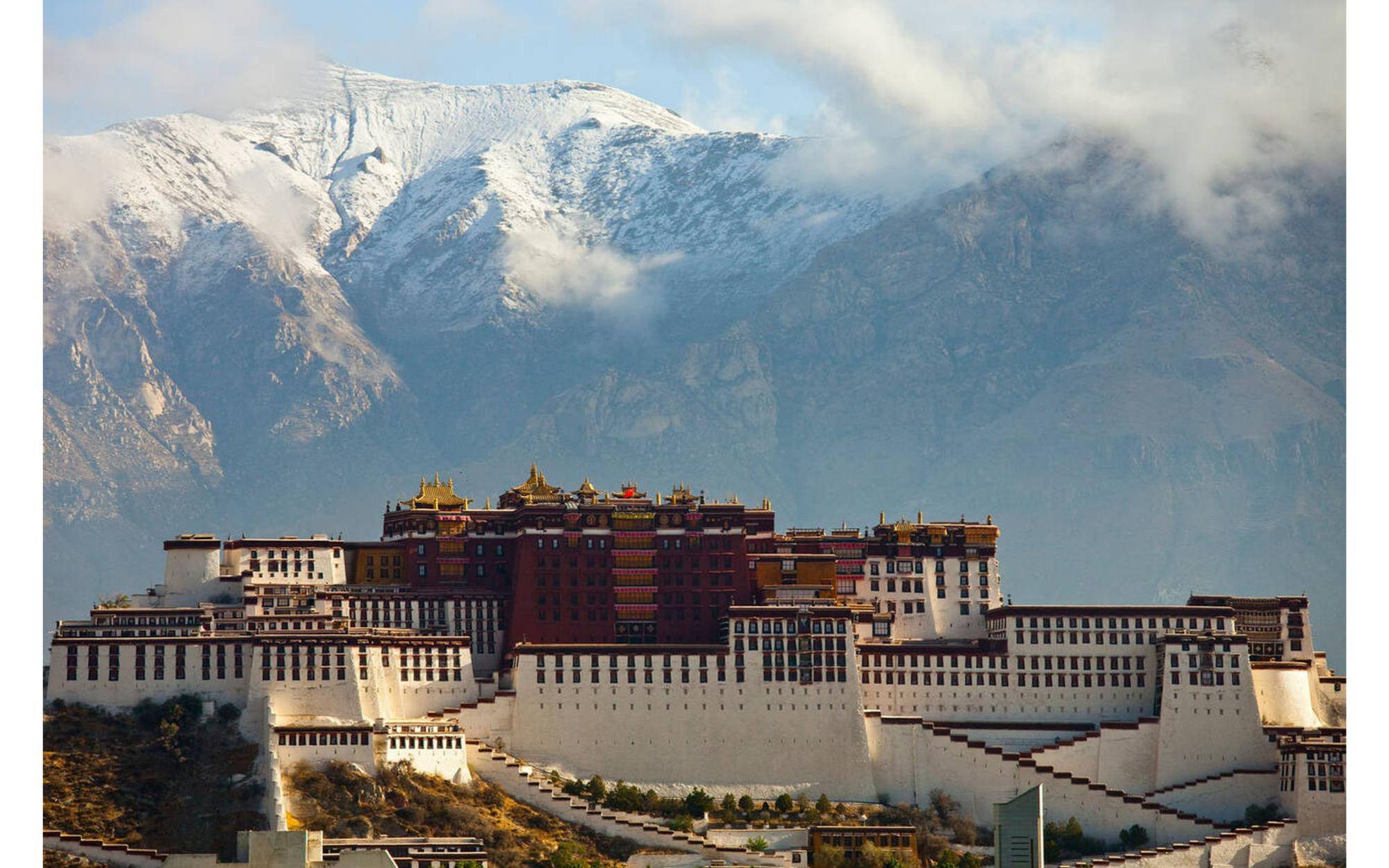
The Potala Palace is one of the most iconic landmarks in Tibet, both historically and architecturally. Located in Lhasa, the capital city, it sits at an altitude of 3,700 meters (12,100 feet) on Marpo Ri, or "Red Hill," dominating the skyline with its striking white and red walls. It’s a UNESCO World Heritage Site SINCE 1974 and a powerful symbol of Tibetan Buddhism and cultural identity.This 7th-century palace proves that beauty, durability, and sustainability can go hand in hand.

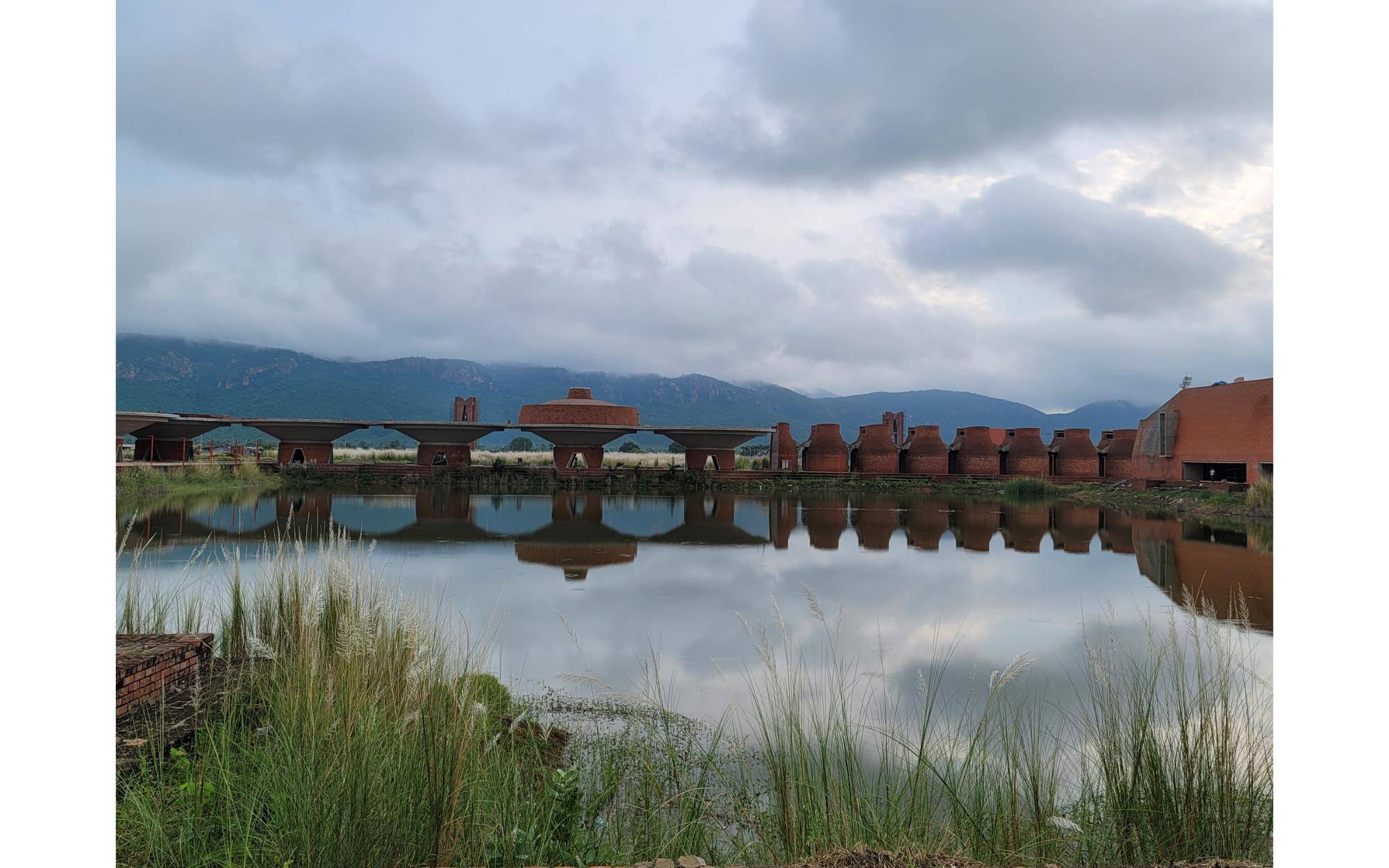
The new campus of Nalanda University in Bihar is a modern revival of one of the world's oldest centers of learning. Located in Rajgir, about 12 kilometers from the ruins of the ancient Nalanda Mahavihara, the new campus aims to blend historical legacy with modern sustainability and global academic standards. The new campus of Nalanda University is not just a physical revival—it’s a cultural and intellectual resurrection of a once-glorious institution. With its sustainable design, international vision, and deep historical roots, it stands as a bold statement of what modern Indian higher education can aspire to be: inclusive, global, and grounded in wisdom.

আতীশ দীপঙ্কর মেমোরিয়াল কমপ্লেক্স, যা বাংলাদেশের মুন্সীগঞ্জ জেলার বজ্রযোগিনী এলাকায় অবস্থিত, হল একাদশ শতাব্দীর খ্যাতিমান বৌদ্ধ পণ্ডিত ও ধর্মপ্রচারক আতীশ দীপঙ্কর শ্রীজ্ঞানকে উৎসর্গকৃত এক গভীর শ্রদ্ধার স্মারক। এই অঞ্চলেই তাঁর জন্ম, এবং তিনি তিব্বতে বৌদ্ধ ধর্মের পুনর্জাগরণে গুরুত্বপূর্ণ ভূমিকা পালন করেন, যার ফলে তিব্বতীয়রা তাঁকে "দ্বিতীয় বুদ্ধ" উপাধিতে ভূষিত করে। ১০৪০ খ্রিস্টাব্দে তিব্বতে তাঁর যাত্রা বৌদ্ধ ইতিহাসে এক গুরুত্বপূর্ণ অধ্যায় হিসেবে বিবেচিত, যেখানে তিনি ১৭ বছর ধরে বৌদ্ধ ধর্ম প্রচার করেন, সূত্র ও তন্ত্রের সমন্বয় সাধন করেন এবং "বোধিপথ প্রদীপ" এর মতো প্রভাবশালী গ্রন্থ রচনা করেন, যার পর ১০৫৪ খ্রিস্টাব্দে তাঁর মৃত্যু হয়।একটি সময়ে যখন সাংস্কৃতিক পরিচয় প্রায়শই বিতর্কিত বা বিস্মৃত, তখন আতীশ দীপঙ্কর মেমোরিয়াল কমপ্লেক্স সহনশীলতা, পাণ্ডিত্য ও আন্তঃজাতিক প্রভাবের উত্তরাধিকার পুনঃদখল করে। এটি আমাদের মনে করিয়ে দেয় যে বাংলাদেশ সবসময়ই ছিল সভ্যতা, দর্শন ও চিন্তার এক মিলনস্থল।আতীশ দীপঙ্করকে সম্মান জানিয়ে এই কমপ্লেক্স কেবল ইতিহাস সংরক্ষণ করছে না—এটি নতুন প্রজন্মকে জ্ঞান, করুণা ও বোঝাপড়ার পথে অনুপ্রাণিত করছে।

Lamar Para Buddhist Temple – A Quiet Spiritual Landmark Lamar Para Buddhist Monastery, also known as Lamar Para Khiang, is a historic Buddhist temple and monastery located in the Ramu sub-district of Cox’s Bazar, Bangladesh. Lamar Para Buddhist Monastery is more than just a religious site – it is a symbol of our shared history, values, and commitment to peace. Let us unite to ensure that it remains a beacon of hope, education, and spiritual guidance for generations to come. Together, we can protect this precious gem of our cultural heritage.Situated on the banks of the Bakkhali River in Fatekharkul Union, it is approximately 1 km south of the Ramu Chaumuhani Bus Stand .Despite its importance, Lamar Para Buddhist Monastery is now at risk due to [list of threats – e.g., encroaching development, lack of funding, environmental damage]. These challenges endanger the preservation of this sacred space, its community, and its cultural impact for future generations. Why It Matters In a world where religious monuments often become tourist attractions, the Lamar Para Buddhist Temple stands apart. It isn’t a spectacle—it’s a living part of a community’s daily life. It reflects how Buddhism survives and adapts in rural Bangladesh, away from the spotlight, yet full of meaning.

Ujanipara Buddha Vihar is a significant religious and cultural landmark located in Bandarban, a hill district in southeastern Bangladesh. It is a sacred Buddhist monastery that serves as a center of spiritual practices, religious education, and community life for the local Marma and other indigenous Buddhist communities. The vihar is nestled in the tranquil hills of Ujanipara village and reflects traditional Buddhist architecture, serene surroundings, and the rich cultural heritage of the hill tracts. Documentation on Ujanipara Buddha Vihar is limited, with most historical knowledge preserved orally. Efforts to maintain the site likely involve local custodians and religious leaders, highlighting its importance as a cultural heritage asset amid modernization pressures.Ujanipara Buddha Vihar stands as a testament to the spiritual and cultural resilience of Bandarban’s Buddhist community. Its history, though not extensively recorded, is woven into the broader narrative of the Marma people and their enduring Buddhist traditions in the CHT. The vihar remains a beacon of peace and cultural identity in this ethnically diverse region.

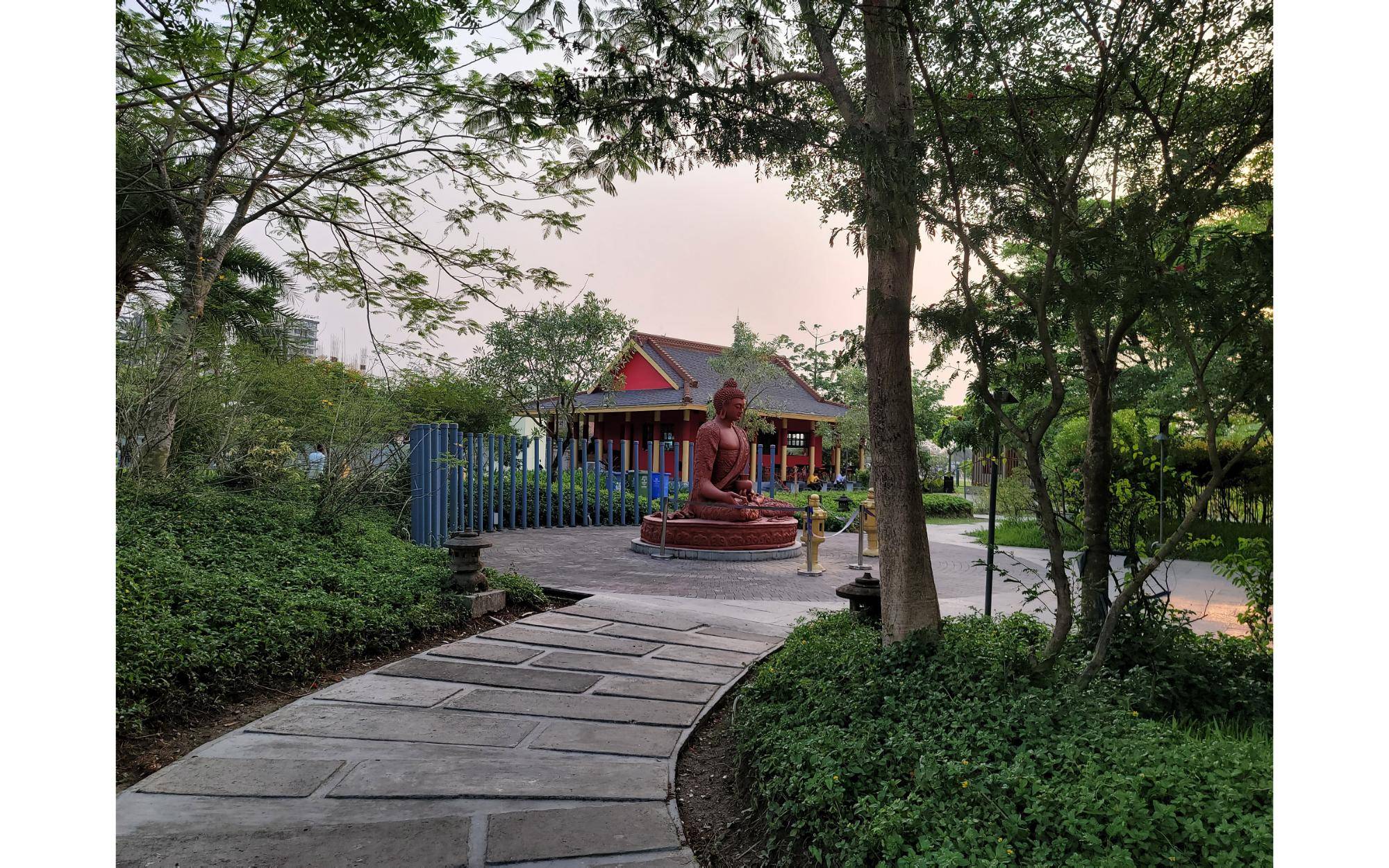
The Japanese Forest within Eco Park in New Town, Kolkata, is a serene enclave that transports visitors to a miniature version of Japan. Developed by the West Bengal Housing Infrastructure Development Corporation (HIDCO), this 3.5-acre area is situated adjacent to the central lake of Eco Park. The inception of this forest was influenced by the discovery of an ancient Buddha sculpture during the park's development, inspiring the creation of a "Monastery in a forest" theme. Spanning 3.5 acres beside the central lake of Eco Park, the Japanese Forest is inspired by traditional Japanese garden principles, emphasizing harmony with nature, simplicity, and spiritual reflection. The design integrates elements of Shinto and Buddhist philosophies, creating a space that engages the five senses and promotes mindfulness

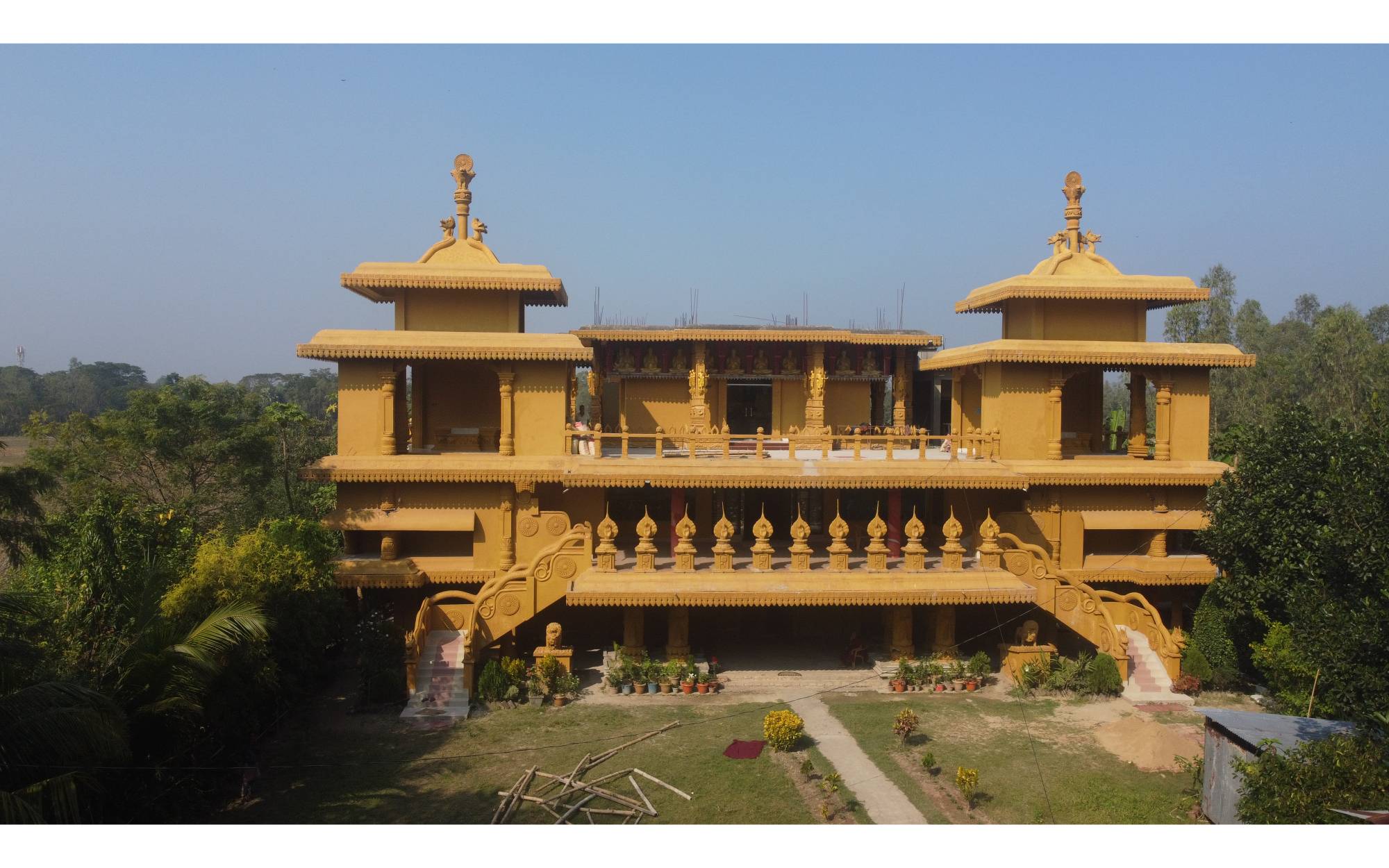
The Damdama Nababpur Dharmakirti Buddhist Monastery, situated in the Mirsarai Upazila of the Chittagong district (now Chattogram) in Bangladesh, stands as a testament to the region's rich Buddhist heritage and architectural splendor.

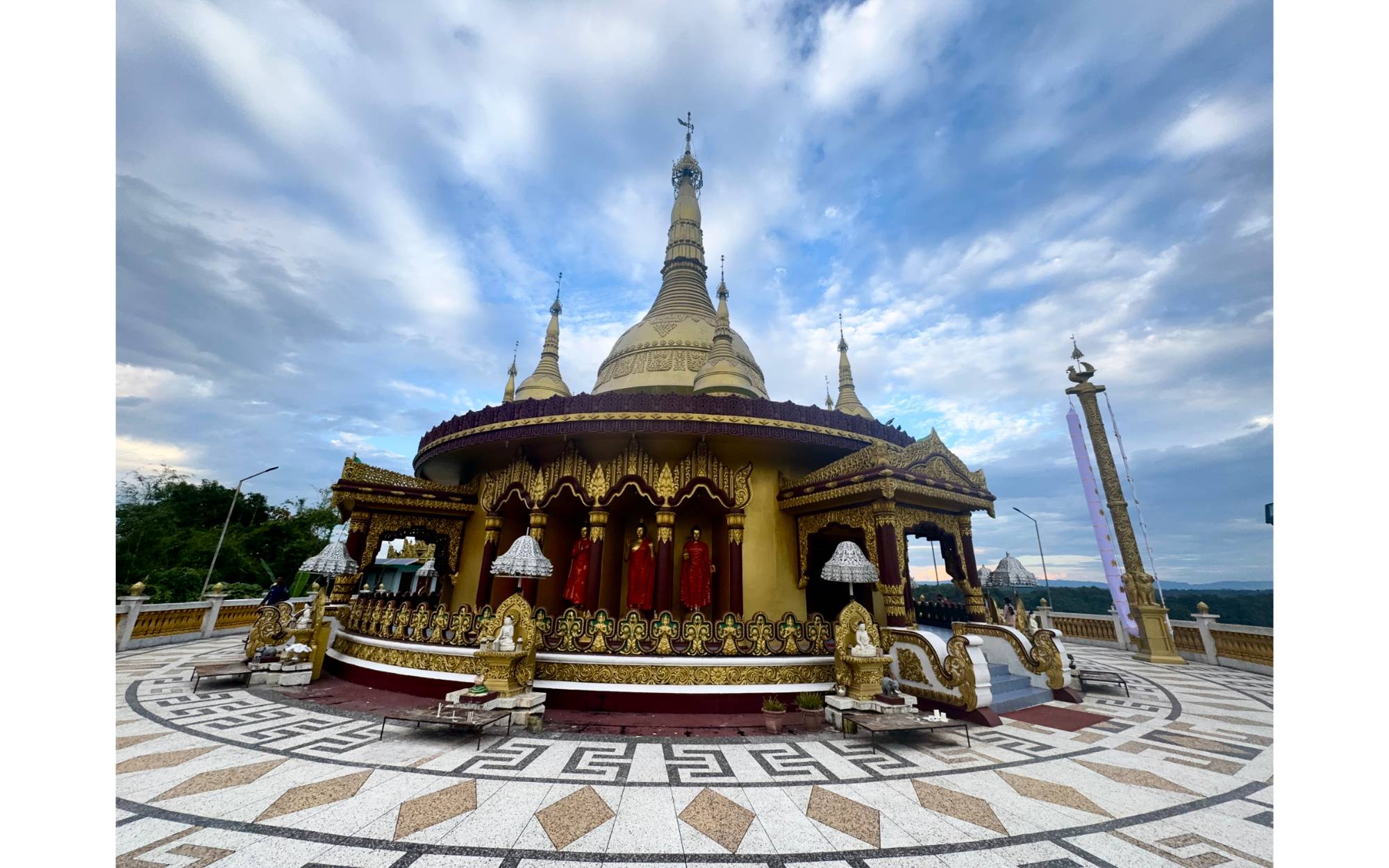
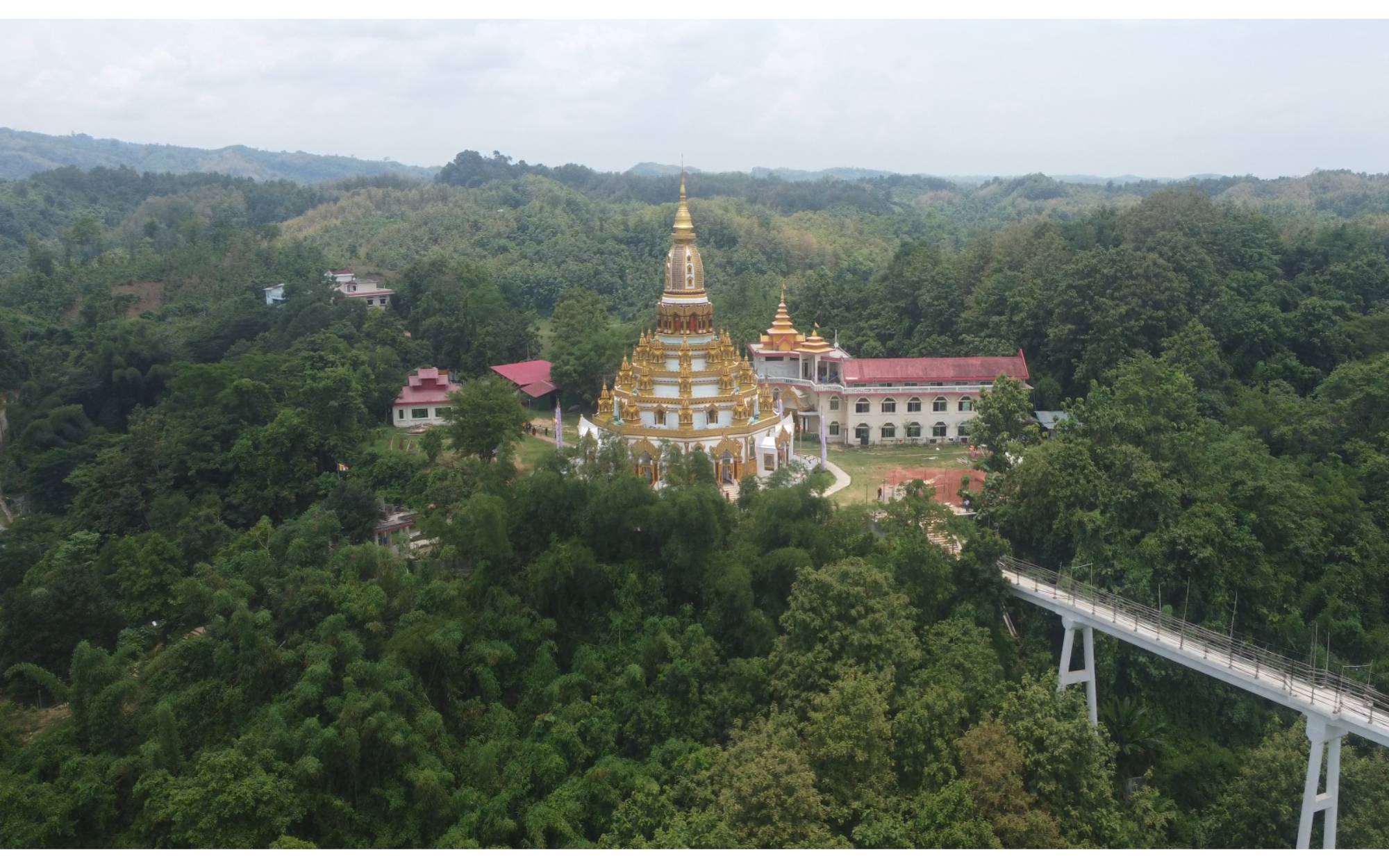
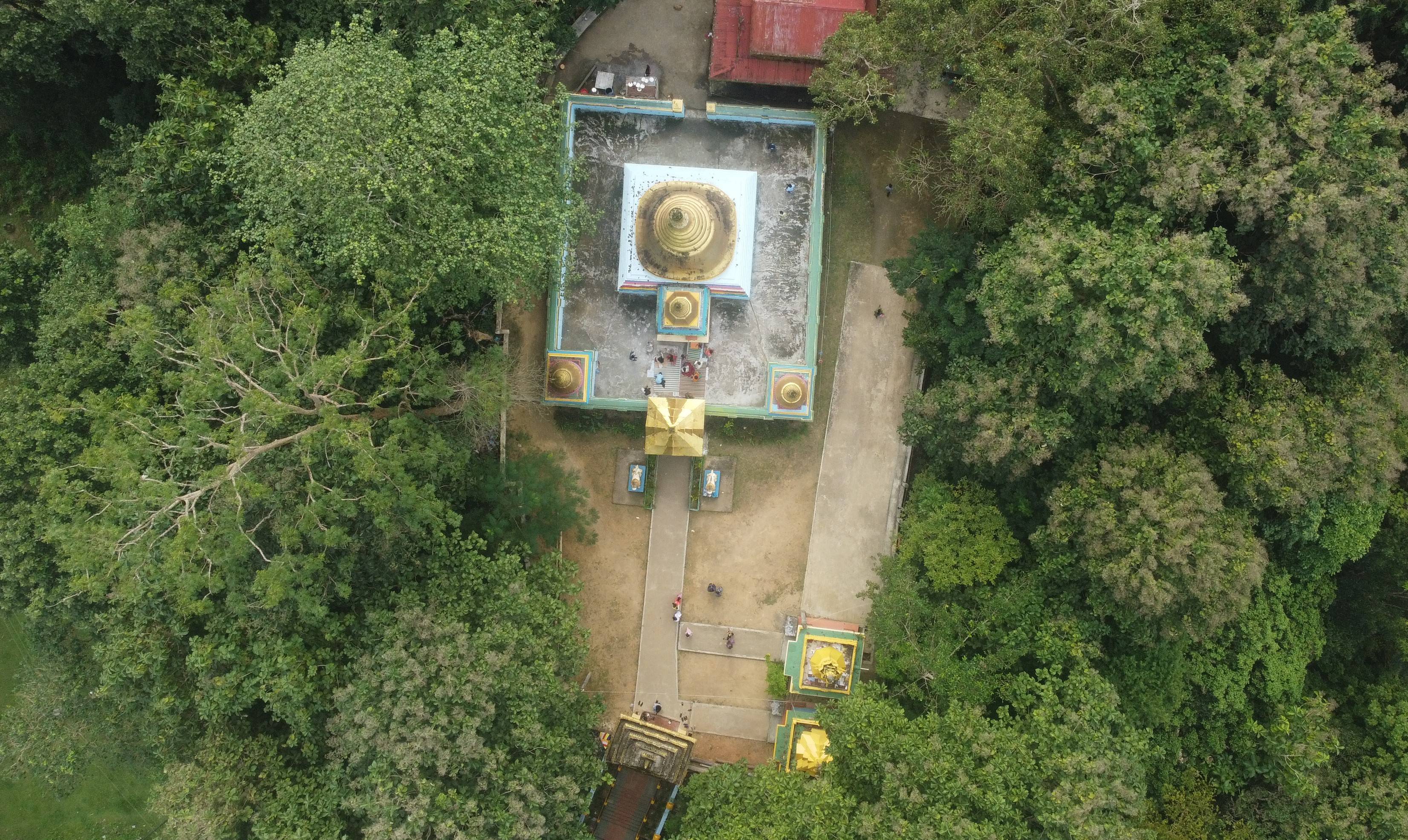
Nestled amidst the verdant hills of southeastern Bangladesh, the Golden Pagoda, officially known as Buddha Dhatu Jadi, stands as a testament to the country's rich cultural tapestry and religious harmony. Situated in the Balaghata area, approximately 4 kilometers from Bandarban town, this majestic temple is not only a place of worship but also a symbol of peace and serenity for both devotees and tourists alike. The Golden Pagoda of Bandarban stands as a beacon of spiritual enlightenment, architectural beauty, and cultural heritage. It continues to inspire awe and reverence among all who visit, offering a glimpse into the rich traditions of Theravada Buddhism and the enduring spirit of the Marma people. As it welcomes visitors from around the world, the Golden Pagoda remains a symbol of peace, unity, and the timeless pursuit of wisdom.

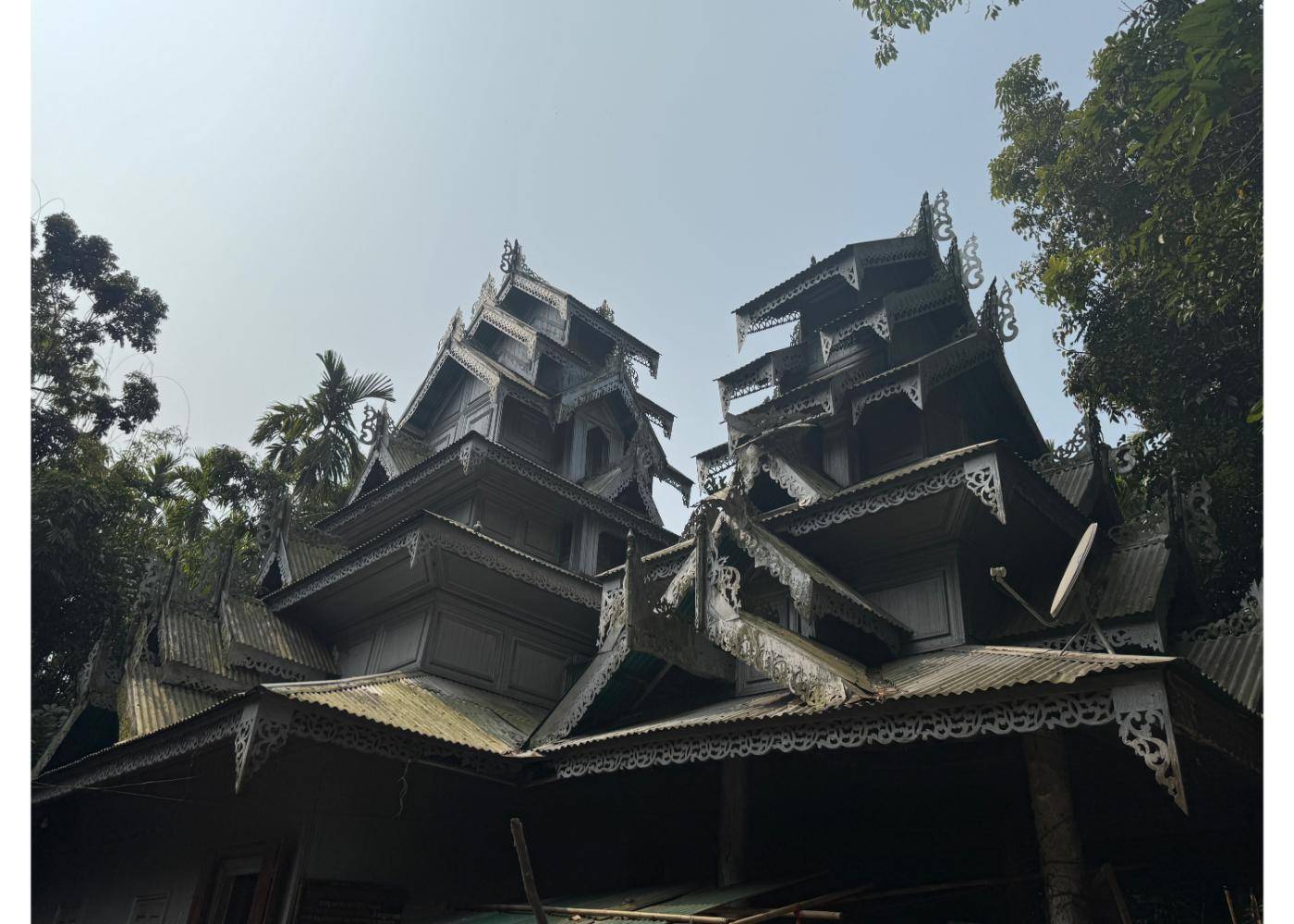
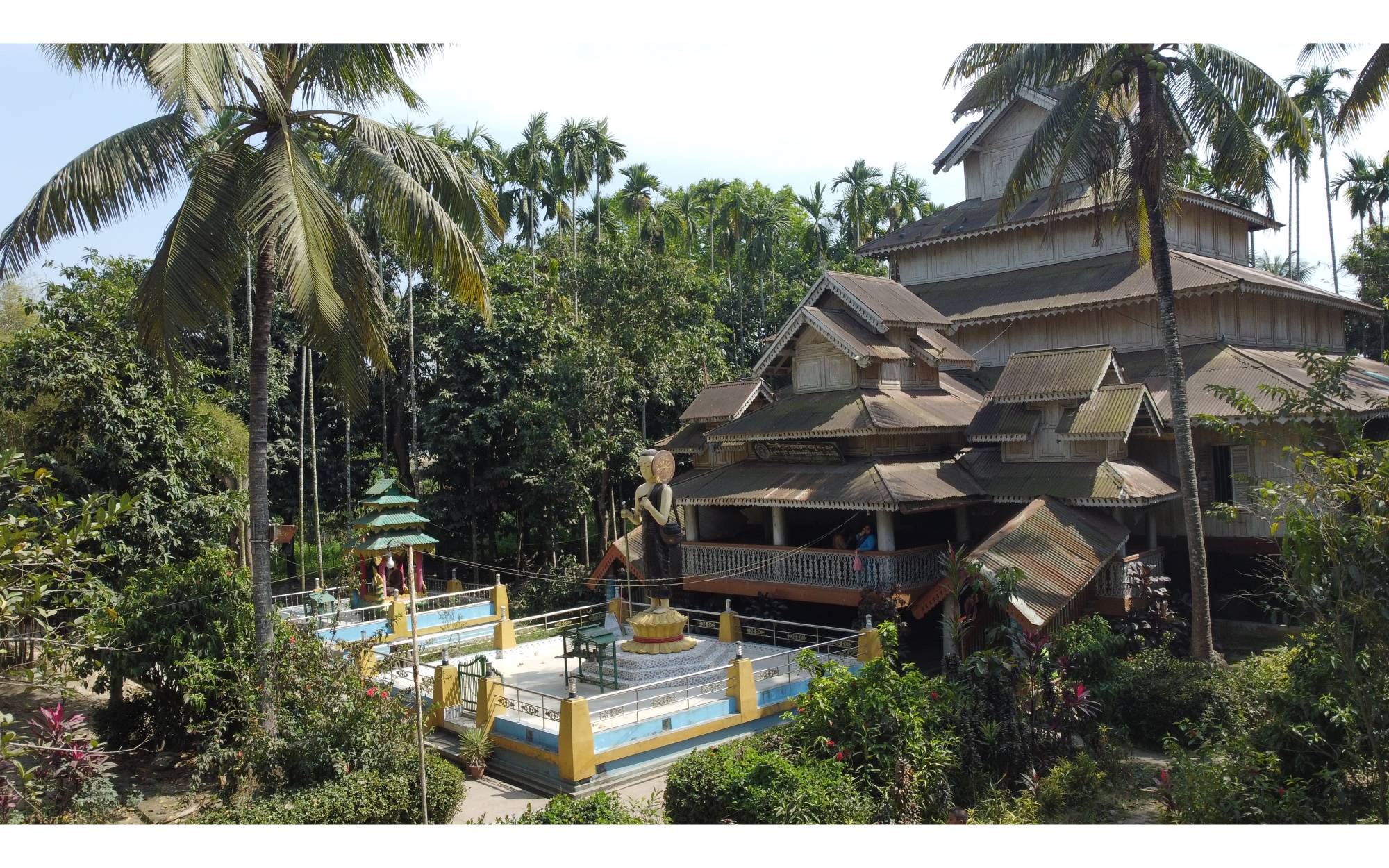
"উ চিত সান রাখাইন কাঠের বৌদ্ধ মন্দির, যা কক্সবাজারের রামুতে অবস্থিত, একটি ঐতিহাসিক, সাংস্কৃতিক এবং ধর্মীয় গুরুত্ব সম্পন্ন বিশিষ্ট স্থান যা ১৮৮৫ সালে প্রতিষ্ঠিত হয়। স্থানীয়ভাবে রাখাইন বৌদ্ধ ঐতিহ্যের একটি অংশ হিসেবে পরিচিত, এই মন্দির রাখাইন সম্প্রদায়ের অনন্য স্থাপত্য শৈলী এবং ধর্মীয় প্রথাগুলিকে ধারণ করে, যা মিয়ানমারের জাতিগত গোষ্ঠী এবং বাংলাদেশের মধ্যে একটি উল্লেখযোগ্য উপস্থিতি রয়েছে। এই মন্দিরটি বার্মা প্রভাবিত কাঠের স্থাপত্যের শিল্পীতার প্রমাণ এবং কয়েক দশক ধরে রাখাইন বৌদ্ধ সম্প্রদায়ের জন্য একটি আধ্যাত্মিক কেন্দ্র হিসেবে দাঁড়িয়ে রয়েছে।"

<p>Rajban Vihar, also known as the Rajbana Vihara, is a prominent Buddhist monastery located in Rangamati, Bangladesh. Established in 1977, the monastery was built under the guidance of the late Ven. Shrimath Sadhanananda Mahathera, commonly known as the "Banabhante" (meaning "the forest monk"), a revered monk in the Chakma community. His vision was to create a serene sanctuary for Buddhist monks and devotees in the natural beauty of the Chittagong Hill Tracts. The monastery was founded to provide a residence for the revered Buddhist monk, Venerable Sadhanananda Mahathero, commonly known as Bana Bhante. Born on January 8, 1920, Bana Bhante became a legendary figure in Bangladeshi Buddhism. In 1977, he moved to Rangamati from the Longadu region to live permanently at Rajban Vihar.</p><p> His followers constructed the temple to accommodate him and his disciples The name "Rajban Vihar" translates to "the Royal Forest Monastery," which signifies its setting amidst lush forests and its spiritual importance to the local Chakma people. The monastery is an essential cultural and spiritual center for the Buddhist population in Bangladesh, particularly among the indigenous communities like the Chakma, Marma, and Tripura, who make up a significant portion of the population in the Hill Tracts. As one of the largest and most significant Buddhist monasteries in Bangladesh, it serves as a hub for religious teachings, meditation practices, and cultural events.</p>

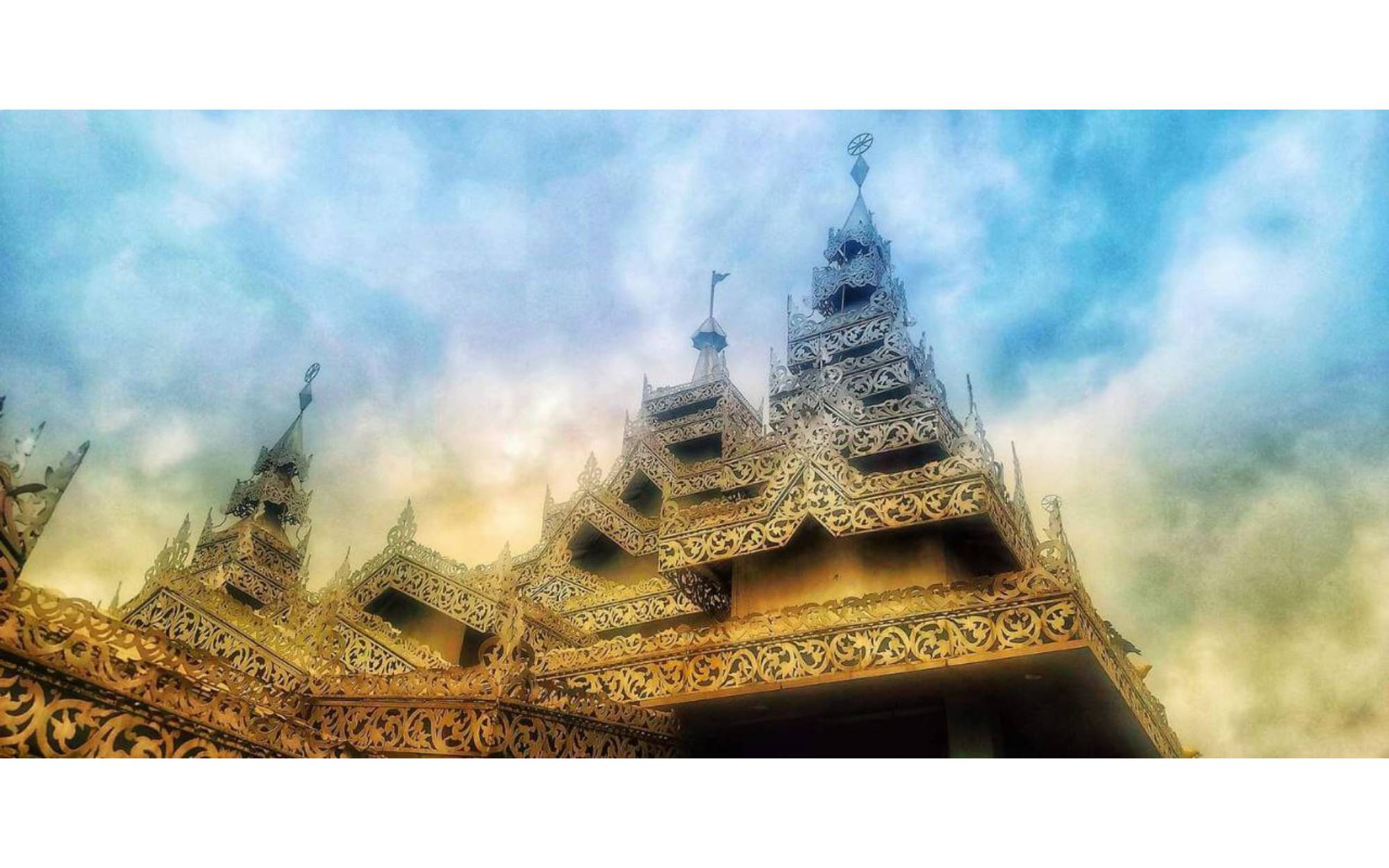
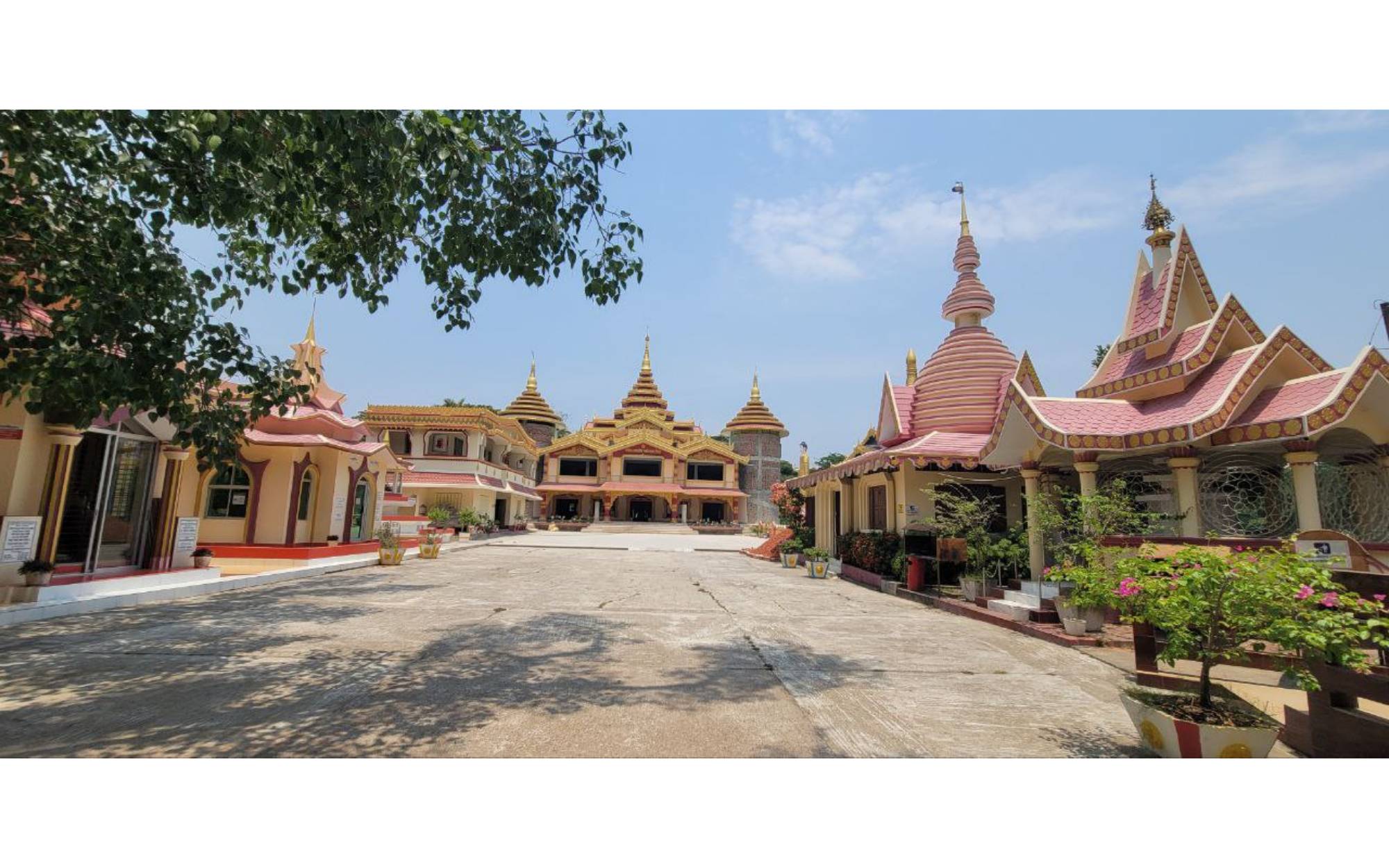
<p>The Kartala Belkhain Saddharmalonkar Buddhist Temple, nestled in the scenic Patiya upazila of Chittagong, Bangladesh, stands as a prominent symbol of Buddhism in the region and holds great cultural and religious significance for the local Buddhist community. This historic temple, also known as Saddharmalonkar Vihara, is celebrated for its architectural beauty, tranquil atmosphere, and role as a spiritual center for the local community and visiting devotees. The village of Kartala, nestled within the pristine, serene environment of South Chittagong’s Patiya subdistrict and graced by the Karnaphuli River, lies in close proximity to the neighboring village of Belkhain. </p><p>Despite being geographically distinct, these two villages have shared a unified cultural, traditional, and spiritual ethos since time immemorial, evolving with a collective vision and harmonious ideals, akin to two flowers in a single garland. Here, people of Hindu, Buddhist, and Muslim faiths have coexisted with mutual respect, tolerance, and empathy, upholding a spirit of secularism across generations. This unity is evident in joint educational and religious institutions such as the Kartala-Belkhain Mahabodhi High School, Kartala-Belkhain Government Primary School, and the Kartala Belkhain Saddharmalankar Monastery. The monastery, located in the southeastern corner of Kartala village within Ward 2 of Union 9, is set apart from populated areas per religious guidelines, surrounded by the natural beauty of lush, green landscapes and enclosed by sturdy boundary walls. </p><p>Upon crossing the beautifully constructed Vangshadip Gate, visitors are greeted by a magnificent main building, modern in architectural design, alongside various structures like the Buddha Monastery, the Vangshadip Pavilion, the Paribhoga Chaitya, a Chaitya housing the Buddha’s five major disciples, the Monk Simaghar, Vangshadip Memorial Temple, the Gandhakuti Metal Chaitya, the Parinirvana Chaitya, a Musalinda Chaitya built over a pond, the Upagupta Bhante Chaitya, and the recently constructed Buddha Dhatu Chaitya. Each structure in the monastery embodies a refined architectural style akin to that seen in Buddhist regions worldwide, and it also includes a sacred Bodhi tree thriving amidst the serene surroundings. This complete monastery offers a profound sense of peace and tranquility to all who visit, filling their hearts with a pure and calming experience.</p>

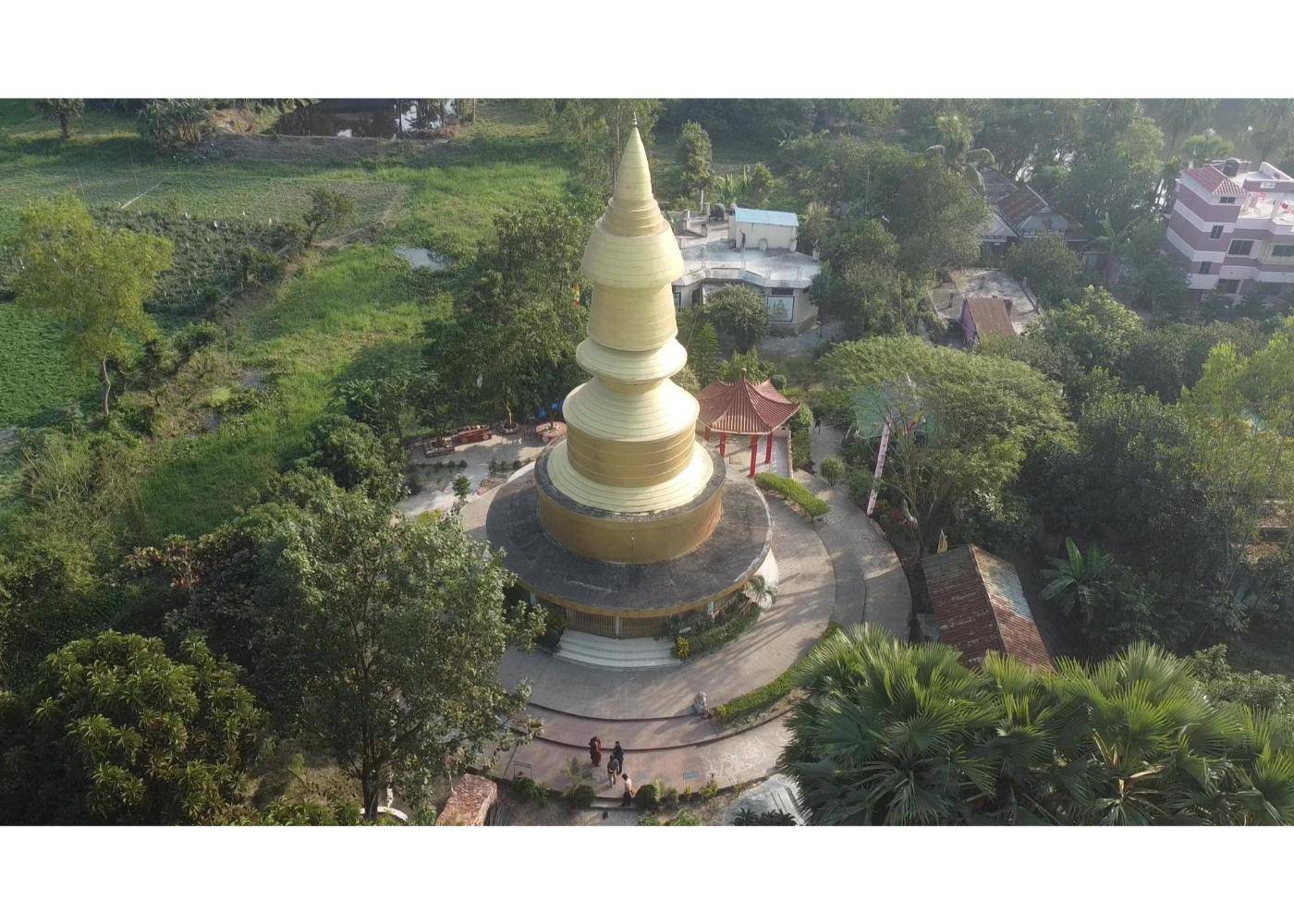
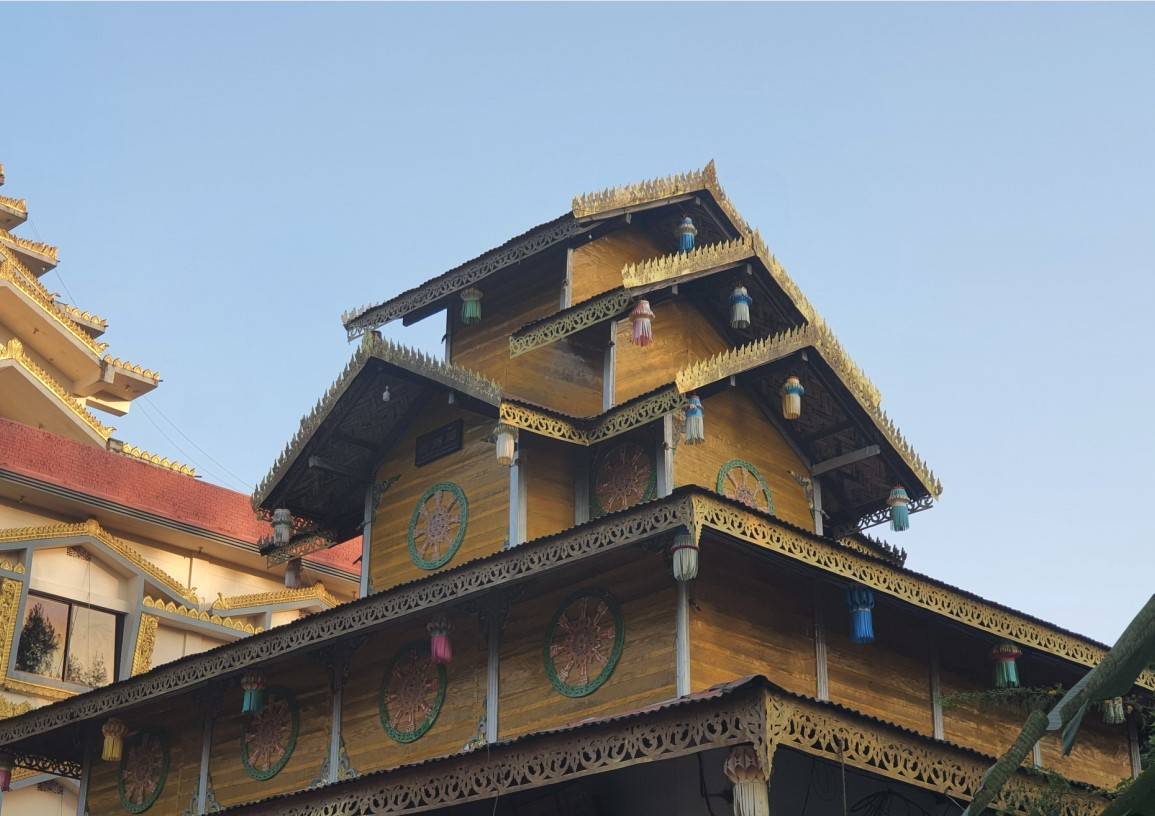
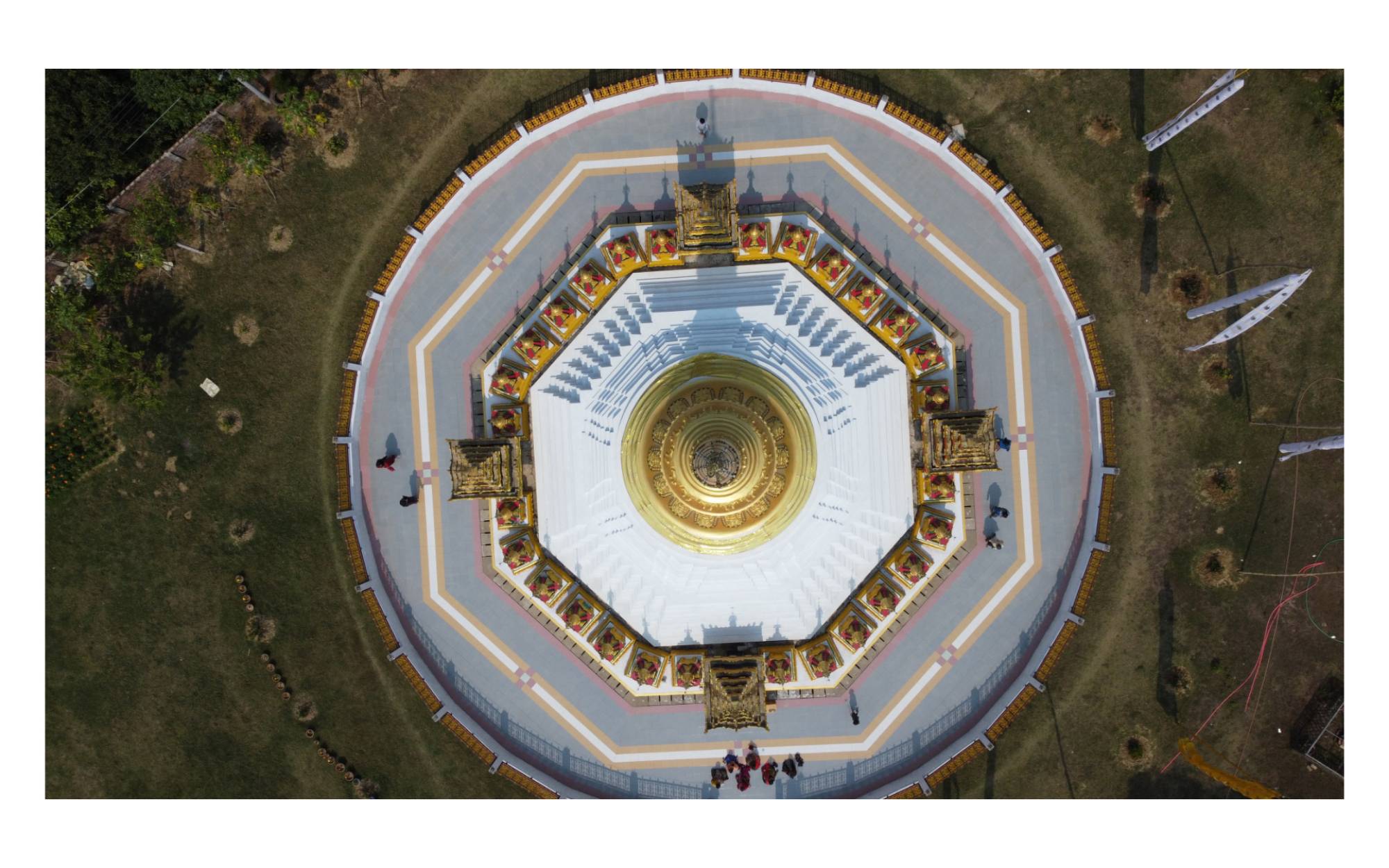
A unique architectural beauty of Buddha Dhatu Zadi createted by Venerable and Holiness U Pannya Jota Thera from the constuction period from 2008 to 2019. it is a magical interpretation of 28 Buddhas sorrounded by an octagonal Plan. The Keyamolong Buddha Dhatu Zadi, often referred to simply as the "Golden Temple," is a prominent Buddhist site located in Bandarban, Bangladesh. Nestled among the scenic hills and lush greenery of the region, this temple is a striking example of Theravada Buddhist architecture in Bangladesh and holds cultural, spiritual, and historical significance for both local and international visitors.

রাম জাদি বৌদ্ধ মন্দির, যা গোল্ডেন টেম্পল বা রামা জাদি নামেও পরিচিত, এটি বাংলাদেশের অন্যতম গুরুত্বপূর্ণ ধর্মীয় এবং সাংস্কৃতিক নিদর্শন। পার্বত্য জেলায় অবস্থিত বান্দরবানের মনোরম পাহাড়ি অঞ্চলে অবস্থিত এই মন্দিরটি দেশের বৃহত্তম বৌদ্ধ মন্দির হিসেবে দাঁড়িয়ে আছে। সমুদ্রপৃষ্ঠ থেকে প্রায় ১,৫০০ ফুট উঁচুতে একটি পর্বতের চূড়ায় অবস্থিত এই মন্দিরটি শুধুমাত্র পূজার স্থান নয়, এটি একটি প্রধান পর্যটন আকর্ষণও বটে, যা দেশের বিভিন্ন প্রান্ত থেকে এবং দেশের বাইরে থেকেও তীর্থযাত্রী ও ভ্রমণকারীদের আকর্ষণ করে।

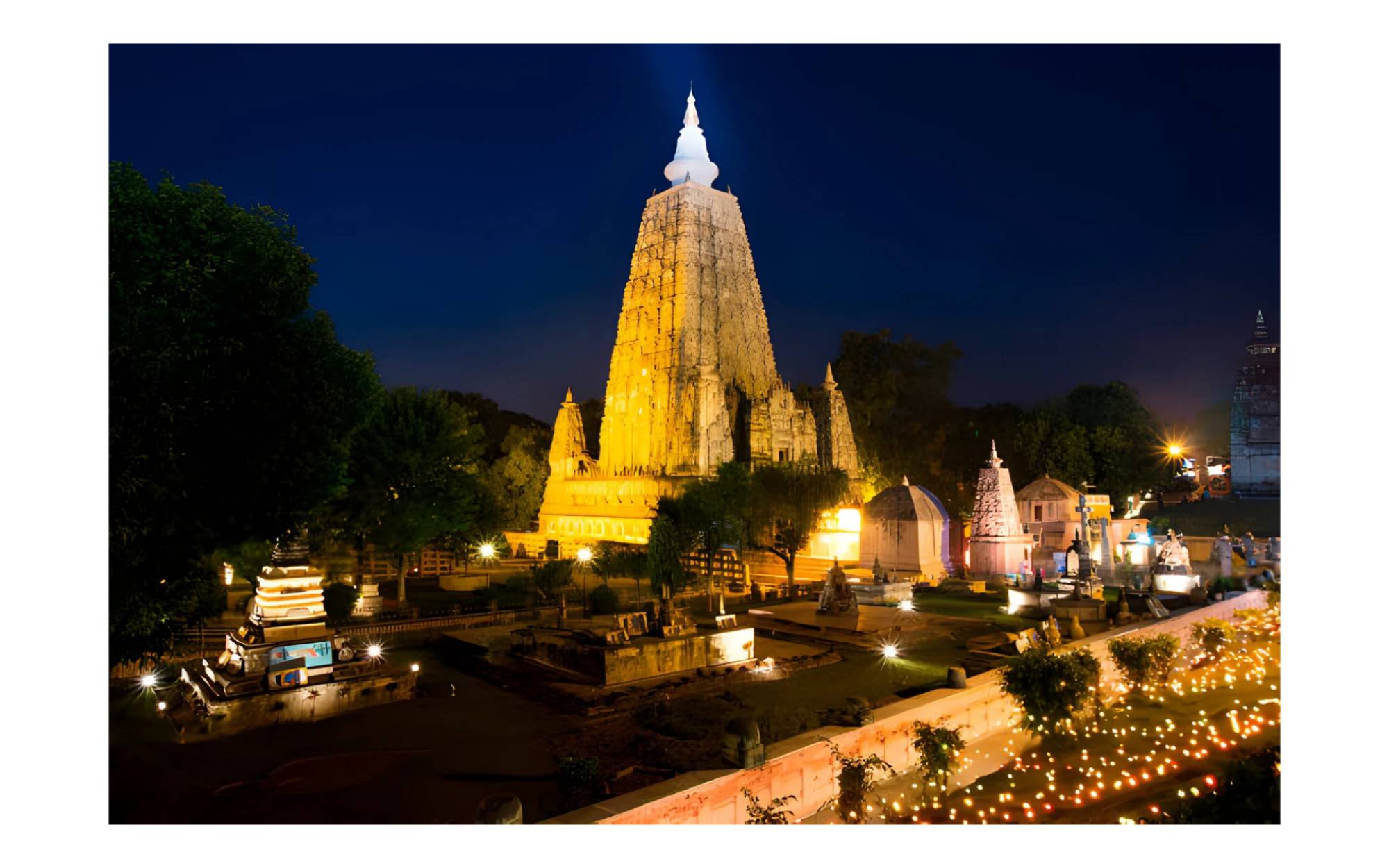
মহাবোধি মন্দির কমপ্লেক্স, যা ভারতের বিহার রাজ্যের বোধগয়ায় অবস্থিত, এটি অন্যতম সবচেয়ে পূজিত এবং প্রাচীন বৌদ্ধ তীর্থস্থান। এই পবিত্র কমপ্লেক্সটি সেই স্থান যেখানে সিদ্ধার্থ গৌতম, বুদ্ধ, বোধিবৃক্ষের নিচে আলোকপ্রাপ্ত হন। ইউনেস্কো বিশ্ব ঐতিহ্যবাহী স্থান হিসেবে স্বীকৃত মহাবোধি মন্দির কমপ্লেক্সটি শুধুমাত্র আধ্যাত্মিক গুরুত্বের প্রতীক নয়, এটি একটি অসাধারণ স্থাপত্য কীর্তিও যা সারা বিশ্বের লক্ষ লক্ষ দর্শক এবং তীর্থযাত্রীদের আকর্ষণ করে।ভারত জুড়ে কানিংহামের বিস্তৃত ভ্রমণ এবং প্রাচীন ধ্বংসাবশেষ ও শিলালিপিগুলির যত্নশীল ডকুমেন্টেশনের মাধ্যমে বেশ কয়েকটি প্রধান বৌদ্ধ স্থান পুনরাবিষ্কার করা হয়। তার কাজ অনেক হারিয়ে যাওয়া বা অবহেলিত স্মৃতিস্তম্ভ চিহ্নিত ও পুনরুদ্ধার করতে সহায়ক হয়েছিল, যা বহু শতাব্দীর অবহেলা এবং রাজনৈতিক পরিবর্তনের ফলে অবহেলিত হয়ে পড়েছিল।১৮৮০-এর দশকে কানিংহাম মহাবোধি মন্দির কমপ্লেক্সের একটি বিশদ সমীক্ষা পরিচালনা করেন। তার গবেষণা মন্দিরটির ঐতিহাসিক এবং আধ্যাত্মিক গুরুত্ব তুলে ধরে, যা বুদ্ধের আলোকপ্রাপ্তির স্থান। তিনি প্রধান কাঠামোর মেরামত এবং বোধিবৃক্ষ সংরক্ষণের পক্ষে পরামর্শ দেন, এই পবিত্র স্থানটি ভবিষ্যৎ প্রজন্মের জন্য রক্ষা করার প্রয়োজনীয়তার উপর গুরুত্বারোপ করেন।

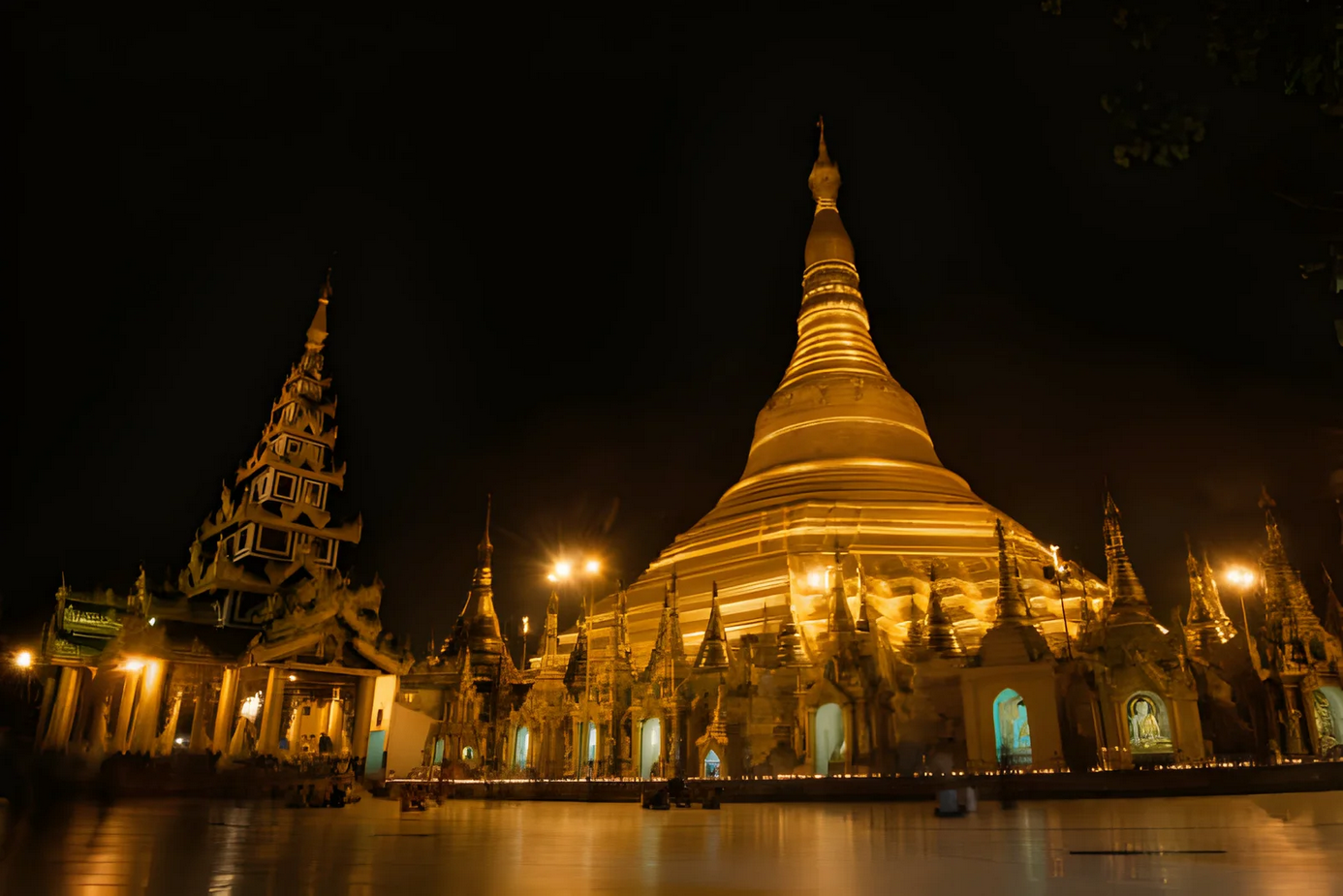
শ্বেডাগন প্যাগোডা, যা গ্রেট ডাগন প্যাগোডা বা গোল্ডেন প্যাগোডা নামেও পরিচিত, মিয়ানমারের অন্যতম বিখ্যাত ও পূজনীয় ধর্মীয় স্থান। এই প্রতীকী স্থাপনার কিছু বিশদ দিক এখানে তুলে ধরা হলো। শ্বেদাগন প্যাগোডা ২৬০০ বছরেরও বেশি পুরনো বলে বিশ্বাস করা হয়, যা এটিকে বিশ্বের প্রাচীনতম প্যাগোডাগুলির একটি করে তোলে। কিংবদন্তি অনুসারে, এটি বুদ্ধের সময়কালে নির্মিত হয়েছিল এবং এতে বুদ্ধের পবিত্র ধর্মাবশেষ, যেমন বুদ্ধের চুলের স্তম্ভ সংরক্ষিত রয়েছে। শ্বেদাগন প্যাগোডা শুধুমাত্র একটি স্থাপত্যশিল্পের মাস্টারপিস নয় বরং মিয়ানমারের জনগণের জন্য বিশ্বাস ও সাংস্কৃতিক গর্বের প্রতীক। এর সোনালী ঐশ্বর্য ও ঐতিহাসিক গুরুত্ব সকল দর্শনার্থীর মধ্যে শ্রদ্ধা ও বিস্ময়ের সঞ্চার করে।

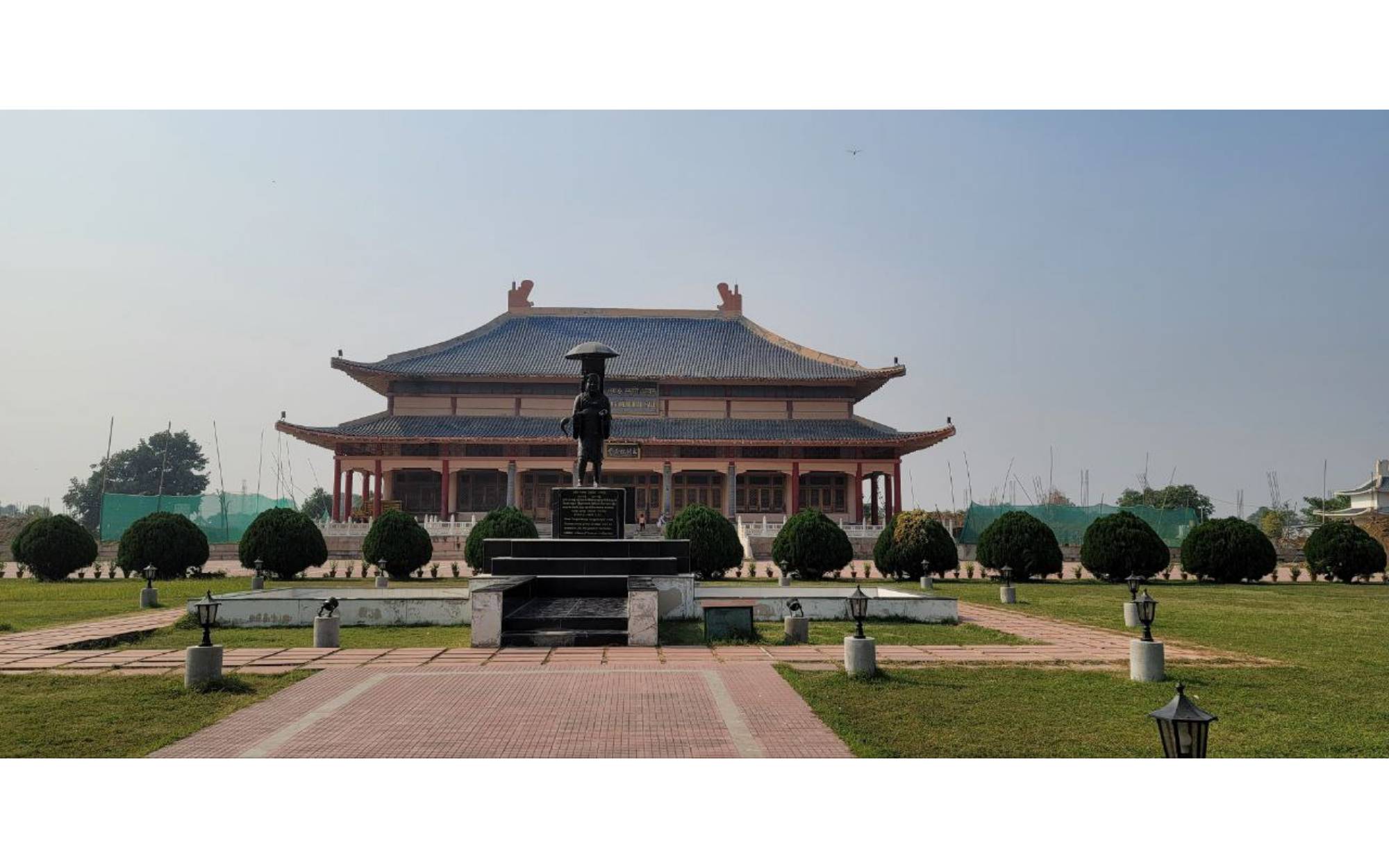
হিউয়েন সাং, যিনি জুয়ানজাং নামেও পরিচিত, তিনি ছিলেন একজন প্রখ্যাত চীনা বৌদ্ধ সন্ন্যাসী, পণ্ডিত, পর্যটক এবং অনুবাদক, যিনি সপ্তম শতাব্দীতে ভারতে ভ্রমণ করেছিলেন। বৌদ্ধধর্ম অধ্যয়ন এবং পবিত্র গ্রন্থ সংগ্রহের জন্য তাঁর তীর্থযাত্রা কিংবদন্তিসম। তাঁর অবদান এবং চিরন্তন উত্তরাধিকারের সম্মানে, নালন্দায় হিউয়েন সাং স্মারক ভবনটি তাঁর যাত্রা এবং পাণ্ডিত্যের অর্জনের প্রতি শ্রদ্ধা নিবেদন করে নির্মিত হয়েছে। হিউয়েন সাং স্মারক ভবনটি ইতিহাসের অন্যতম শ্রেষ্ঠ পণ্ডিতের চিরন্তন উত্তরাধিকারকে স্মরণ করে। এটি কেবল হিউয়েন সাং-এর অবদানকে স্মরণ করায় না বরং সাংস্কৃতিক বোঝাপড়া এবং শিক্ষামূলক সমৃদ্ধিকরণকেও উৎসাহিত করে। এই স্মারক পরিদর্শন নালন্দার সমৃদ্ধ ইতিহাস এবং হিউয়েন সাং-এর যাত্রার গভীর প্রভাবের একটি অনন্য ঝলক প্রদান করে।

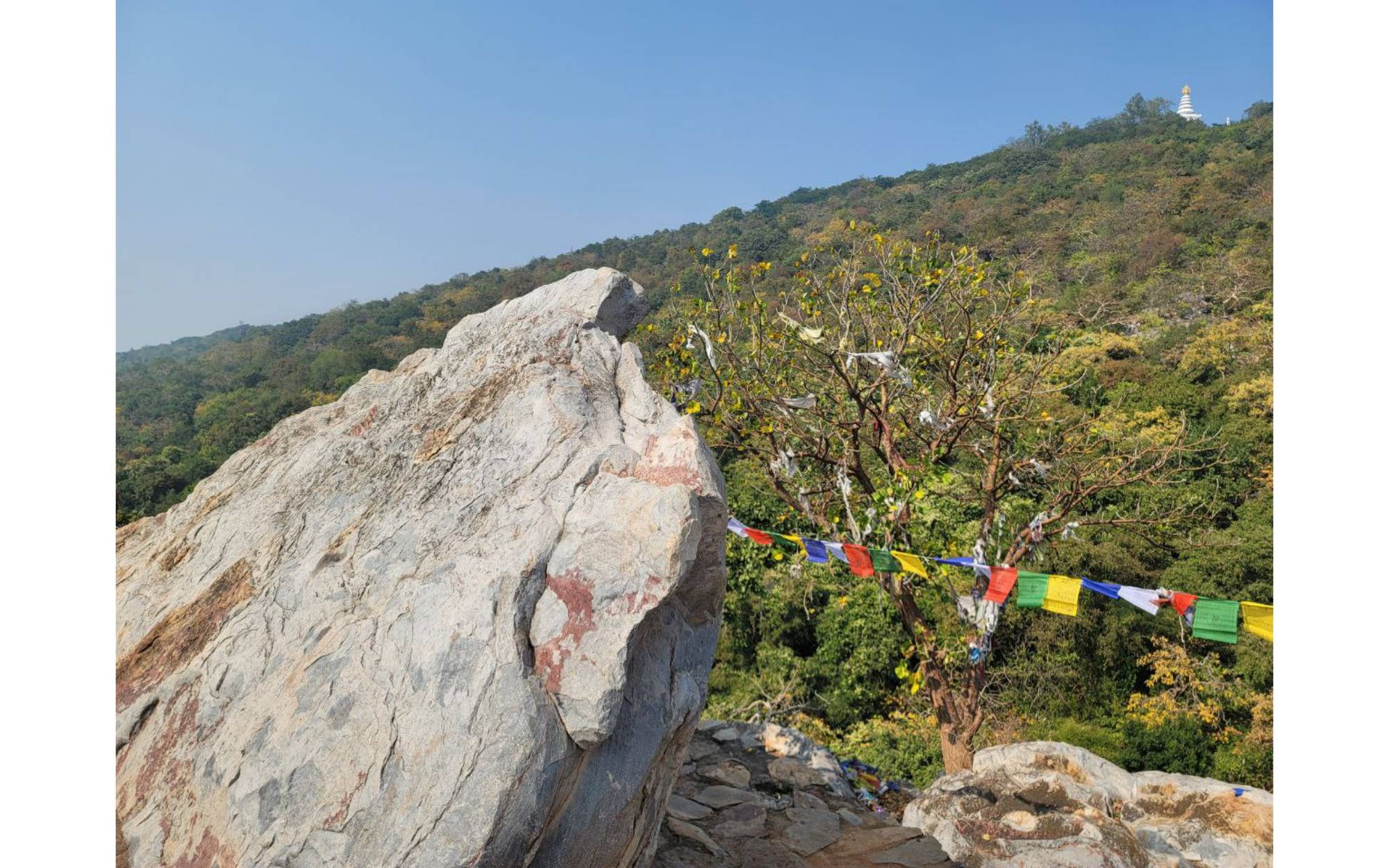
গৃধ্রকূট পর্বত, পালিতে যাকে গিজ্জাকূট এবং সংস্কৃতে গৃধ্রকূট বলা হয়, এটি বৌদ্ধ ঐতিহ্যের সবচেয়ে পবিত্র স্থানগুলির মধ্যে একটি। ভারতের বিহারের রাজগীর পাহাড়ে অবস্থিত এই পর্বতটি বুদ্ধের সাথে সম্পর্কের জন্য বিখ্যাত, যিনি জীবনের একটি উল্লেখযোগ্য অংশ এখানে কাটিয়েছিলেন। গৃধ্রকূট পর্বতটি বিশেষভাবে পরিচিত কারণ এটি সেই স্থান যেখানে বুদ্ধ তার সবচেয়ে গুরুত্বপূর্ণ শিক্ষাগুলি প্রদান করেছিলেন, যার মধ্যে অন্যতম হল লোটাস সূত্র। এর সমৃদ্ধ ঐতিহাসিক এবং আধ্যাত্মিক ঐতিহ্য এখনও বিশ্বের বিভিন্ন স্থান থেকে তীর্থযাত্রী এবং পর্যটকদের আকর্ষণ করে। ঐতিহাসিক গুরুত্ব গৃধ্রকূট পর্বত বৌদ্ধ ইতিহাসে একটি বিশিষ্ট স্থান অধিকার করে আছে। প্রাথমিক বৌদ্ধ গ্রন্থগুলিতে এটি প্রায়ই বুদ্ধের প্রিয় আশ্রয়স্থল হিসাবে উল্লেখিত হয়েছে। প্রচলিত বিশ্বাস অনুসারে, বুদ্ধ এখানে অনেক গুরুত্বপূর্ণ ধর্মোপদেশ প্রদান করেছিলেন, যা মহাযান বৌদ্ধধর্মের বিকাশে গভীর প্রভাব ফেলেছিল। সবচেয়ে উল্লেখযোগ্য ঘটনাগুলির মধ্যে একটি হল বুদ্ধের লোটাস সূত্রের প্রদান, যা মহাযান বৌদ্ধ মতবাদের একটি মূল ভিত্তি হয়ে উঠেছে। এই স্থানে বুদ্ধ তার শিষ্যদের সাথে, যার মধ্যে আনন্দ এবং সারিপুত্তের মতো বিশিষ্ট ব্যক্তিত্ব ছিলেন, বিভিন্ন মিথস্ক্রিয়া করেছিলেন। পর্বতের নাম, যা এর গৃধ্রসদৃশ আকার এবং প্রকৃত শকুনের উপস্থিতি থেকে উদ্ভূত, এর রহস্যময়তা এবং গুরুত্ব বৃদ্ধি করে। গৃধ্রকূট পর্বত বুদ্ধ এবং তার শিক্ষার স্থায়ী উত্তরাধিকার হিসেবে দাঁড়িয়ে আছে। এর ঐতিহাসিক, ভৌগোলিক এবং সাংস্কৃতিক গুরুত্ব এটিকে বৌদ্ধ বিশ্বের একটি অনন্য এবং পবিত্র স্থান করে তুলেছে। যেখানে গভীর জ্ঞান শেয়ার করা হয়েছিল এবং গভীর আধ্যাত্মিক চর্চা গড়ে উঠেছিল, সেই স্থানে গৃধ্রকূট পর্বত আজও আলোকপ্রাপ্তি এবং বৌদ্ধ দর্শনের গভীর উপলব্ধির সন্ধানে আগ্রহী ব্যক্তিদের অনুপ্রাণিত এবং আকৃষ্ট করে চলেছে। এর কালজয়ী প্রাসঙ্গিকতা নিশ্চিত করে যে এটি ভবিষ্যত প্রজন্মের জন্য একটি প্রিয় ল্যান্ডমার্ক হিসেবে থাকবে।

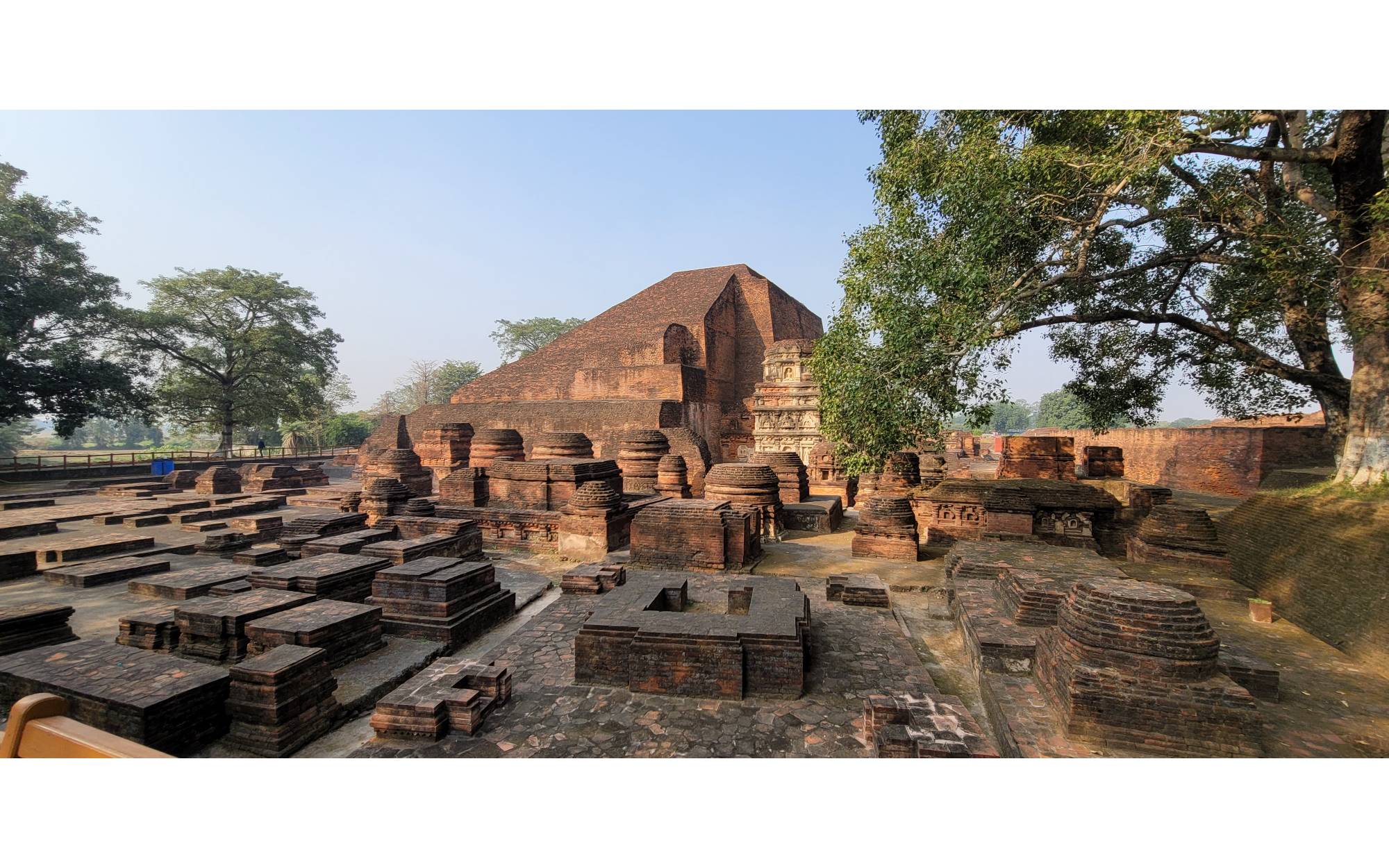
নালন্দা, একটি বিশাল বৌদ্ধ বিহার, যা এখন ধ্বংসপ্রাপ্ত অবস্থায় রয়েছে, প্রাচীন ভারতের সবচেয়ে প্রসিদ্ধ মহাবিহারগুলির মধ্যে একটি ছিল যা প্রাচীন মগধ রাজ্যে (আধুনিক বিহার) অবস্থিত। এটি খ্রিস্টপূর্ব ৭ম শতাব্দী থেকে প্রায় ১২০০ খ্রিস্টাব্দ পর্যন্ত একটি শিক্ষাকেন্দ্র হিসেবে রয়ে গিয়েছিল এবং অনেক সময় এটি 'বিক্রমশিলা' ও 'তক্ষশিলা'র মতো অন্যান্য প্রতিষ্ঠানগুলির সঙ্গে ভারতের প্রাথমিক বিশ্ববিদ্যালয়গুলির মধ্যে একটি হিসাবে শ্রেণীবদ্ধ করা হয়। গুপ্ত সাম্রাজ্যের পৃষ্ঠপোষকতায় এই মহাবিহার ৫ম ও ৬ষ্ঠ শতাব্দীতে এবং কানৌজের সম্রাট হর্ষের শাসনকালে সমৃদ্ধ হয়েছিল। তবে, পাল শাসনের সময় বৌদ্ধ ধর্মের তান্ত্রিক বিকাশের ফলে নালন্দার পতন ঘটে। চীন, মধ্য এশিয়া, কোরিয়া ও তিব্বতের মতো স্থান থেকে শিক্ষার্থী ও পণ্ডিতরা এই মহান বিহারে এসে মহাযান, হীনযান, সংস্কৃত ব্যাকরণ, বেদ ও সাঙ্খ্য প্রভৃতি বিষয় পড়তেন। ৭ম শতাব্দীতে পূর্ব এশিয়া থেকে হিউয়েন স্যাঙ ও ই-ৎসিং এর মতো খ্যাতনামা তীর্থযাত্রী ভিক্ষুরা এই স্থানে এসেছিলেন। ইউনেস্কো কর্তৃক বিশ্ব ঐতিহ্যবাহী স্থান হিসেবে স্বীকৃত নালন্দা শুধু ভারতের অন্যতম সম্মানিত বৌদ্ধ পর্যটন কেন্দ্রই নয় বরং পণ্ডিত, ইতিহাসবিদ ও প্রত্নতাত্ত্বিকদেরও মনোযোগ আকর্ষণ করে চলেছে।

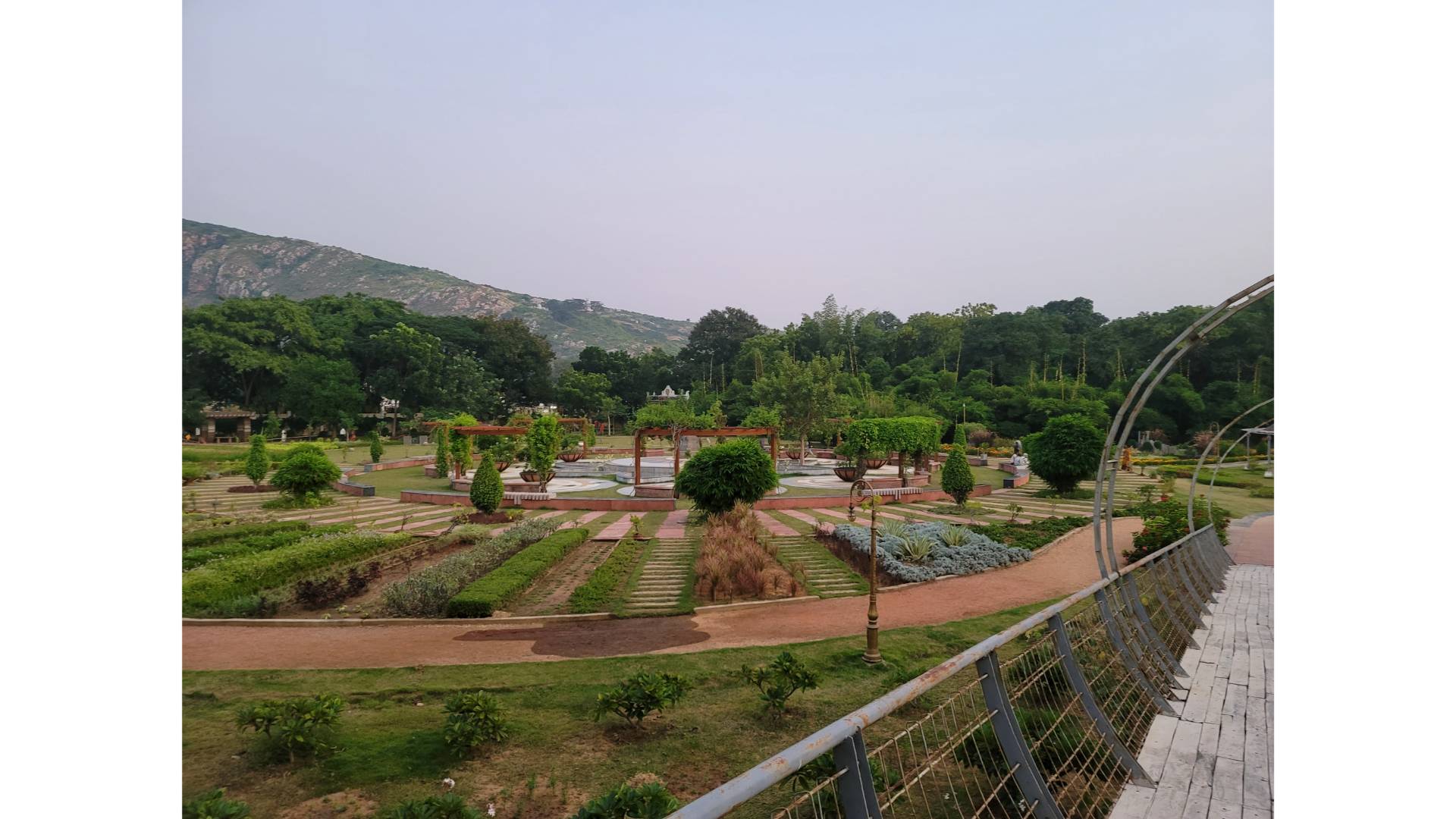
ভেনুবন, যা ভারতের বিহারের নালন্দার ঐতিহাসিক জেলায় অবস্থিত, একটি গভীর ঐতিহাসিক ও আধ্যাত্মিক তাৎপর্যের স্থান। এই শান্তিময় অরণ্য শুধুমাত্র একটি সুন্দর প্রাকৃতিক আশ্রয় নয়, এটি বৌদ্ধ ইতিহাসের একটি গুরুত্বপূর্ণ স্থানও। এটি প্রভু বুদ্ধের জীবন ও শিক্ষার এবং প্রাচীন ভারতের সমৃদ্ধ সাংস্কৃতিক ঐতিহ্যের একটি ঝলক প্রদান করে। ভেনুবন, যা ভেলুভনা বা বাঁশের বাগান নামেও পরিচিত, বুদ্ধের জীবনের সাথে ঘনিষ্ঠভাবে যুক্ত। এটি বিশ্বাস করা হয় যে এটি বুদ্ধ সংঘের প্রথম দানের মধ্যে একটি, যা মগধের রাজা বিম্বিসার দ্বারা প্রদত্ত হয়েছিল। এই অরণ্যটি বুদ্ধ এবং তার শিষ্যদের জন্য একটি আশ্রয় হিসাবে কাজ করেছিল, যেখানে তারা অনেক বর্ষাকাল কাটিয়েছিলেন। ভেনুবনের শান্ত পরিবেশ ধ্যান এবং বুদ্ধের শিক্ষার প্রচারের জন্য একটি আদর্শ পরিবেশ প্রদান করেছিল। ভেনুবন, নালন্দা, বৌদ্ধ ধর্মের স্থায়ী ঐতিহ্য এবং প্রাচীন ভারতের ঐতিহাসিক সমৃদ্ধির সাক্ষ্য হিসেবে দাঁড়িয়ে আছে। এর শান্তিপূর্ণ পরিবেশ, তার গভীর ঐতিহাসিক এবং আধ্যাত্মিক তাৎপর্যের সাথে মিলিত হয়ে এটিকে একটি অনন্য গন্তব্যস্থল করে তোলে। আপনি যদি একজন ইতিহাসপ্রেমী হন, একজন আধ্যাত্মিক অনুসন্ধানী, অথবা কেবল প্রাকৃতিক সৌন্দর্যের প্রশংসাকারী হন, ভেনুবন একটি অনন্য এবং সমৃদ্ধ অভিজ্ঞতা প্রদান করে।

চিটমোরম বৌদ্ধ বিহার, যা চিট মোহারম বুদ্ধ বিহার নামেও পরিচিত, এটি বাংলাদেশের চট্টগ্রাম পার্বত্য জেলায় অবস্থিত একটি গুরুত্বপূর্ণ ধর্মীয় স্থান। বৌদ্ধ বিহারটি চট্টগ্রাম বিভাগের রাঙ্গামাটি জেলার কাপ্তাই উপজেলার চিটপুরাম ইউনিয়ন নং ৩ এ অবস্থিত। বিহারটি চট্টগ্রাম সদর থেকে ৪৫ কিলোমিটার দূরে অবস্থিত। এই মঠটি তার শান্ত পরিবেশ এবং বৌদ্ধ উপাসনা ও সাংস্কৃতিক কার্যক্রমের কেন্দ্র হিসেবে খ্যাত। এই বিহারটি বাংলাদেশের এবং পার্শ্ববর্তী দেশের বৌদ্ধ ধর্মাবলম্বীদের জন্য একটি গুরুত্বপূর্ণ তীর্থস্থান।