
Buddhist Site

Somapura Mahavihara, Paharpur: A Landmark of Buddhist Heritage in Bangladesh
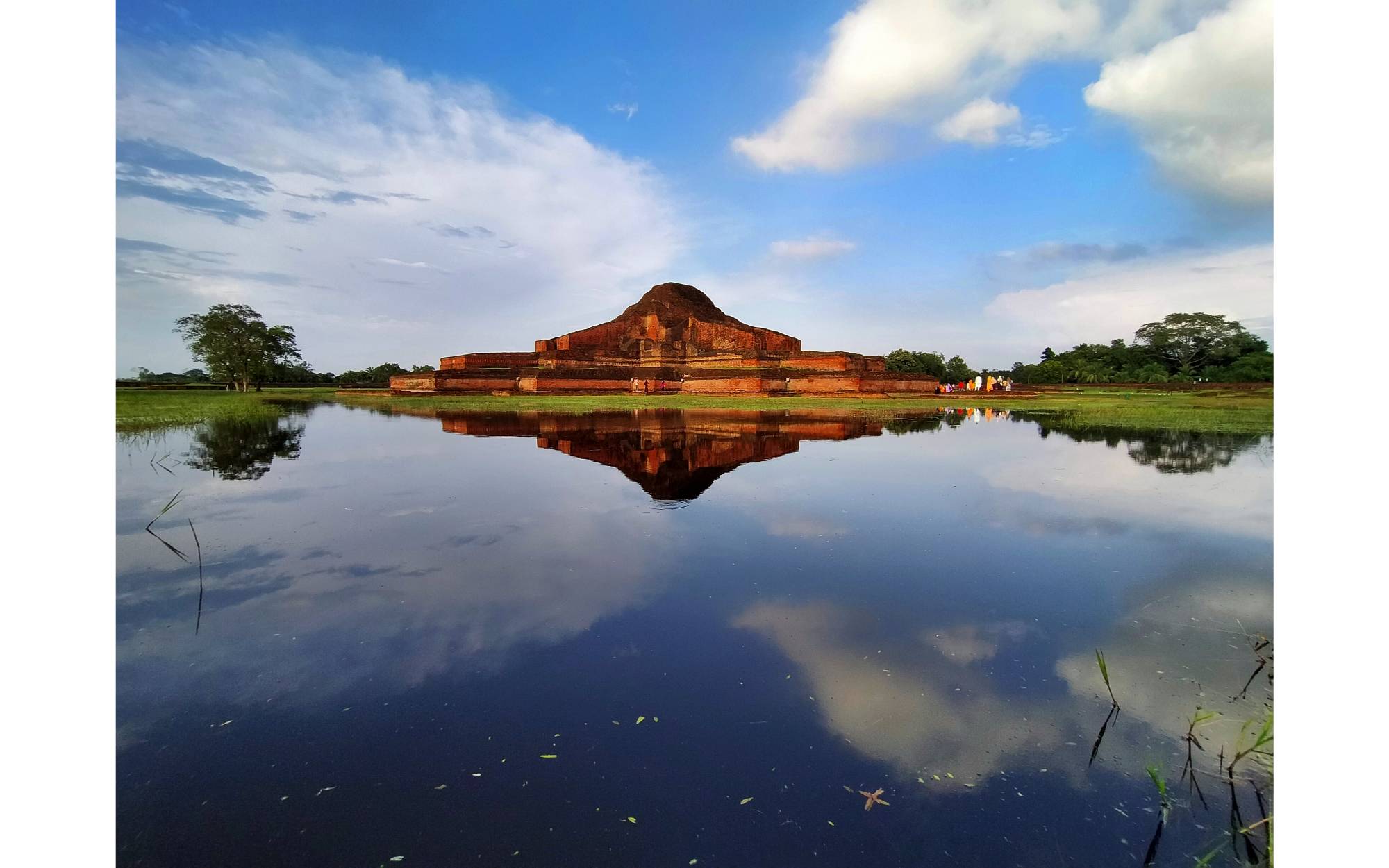
Somapura Mahavihara, Paharpur: A Landmark of Buddhist Heritage in Bangladesh, Paharpur, Badalgachhi Upazila, Naogaon District

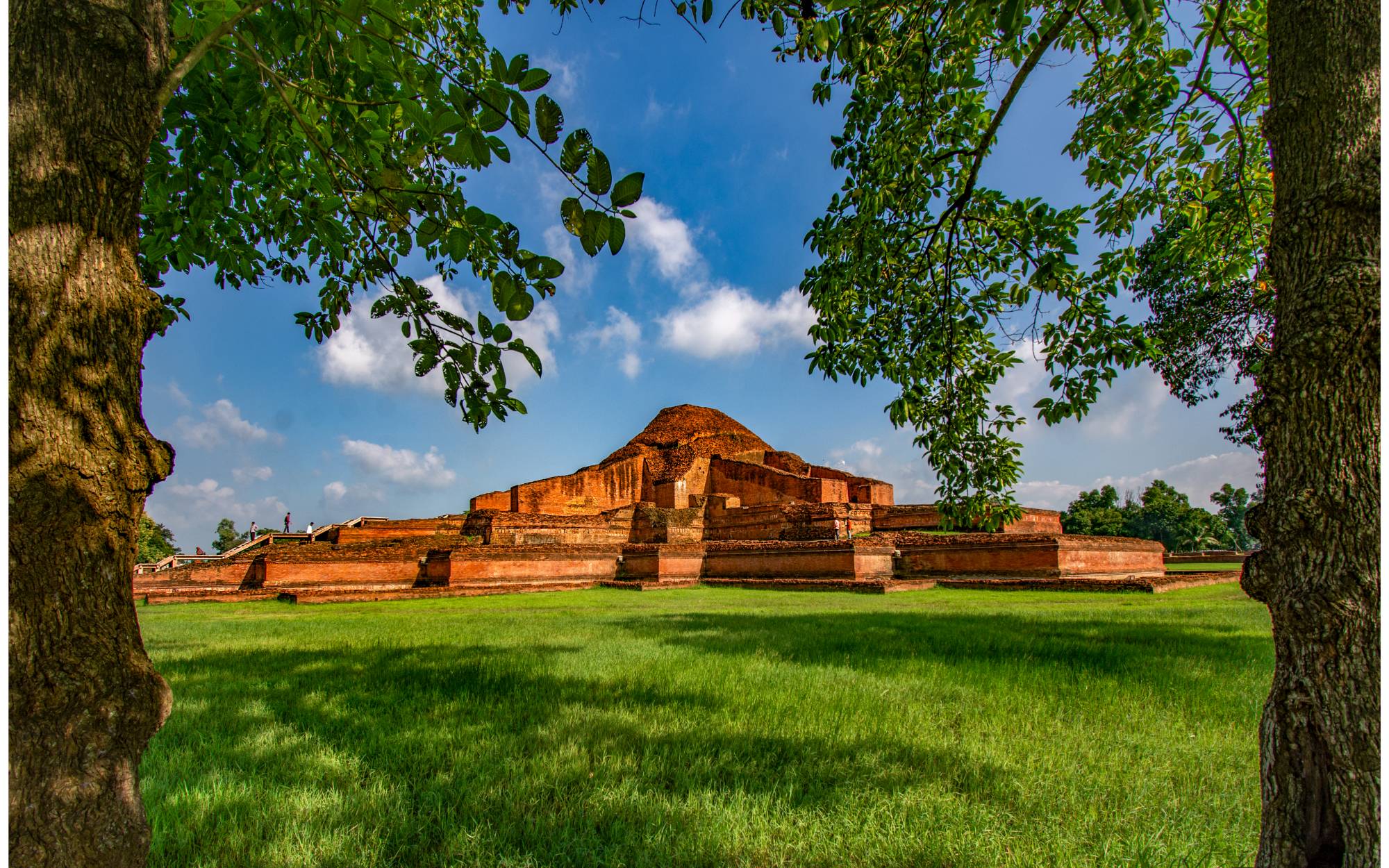
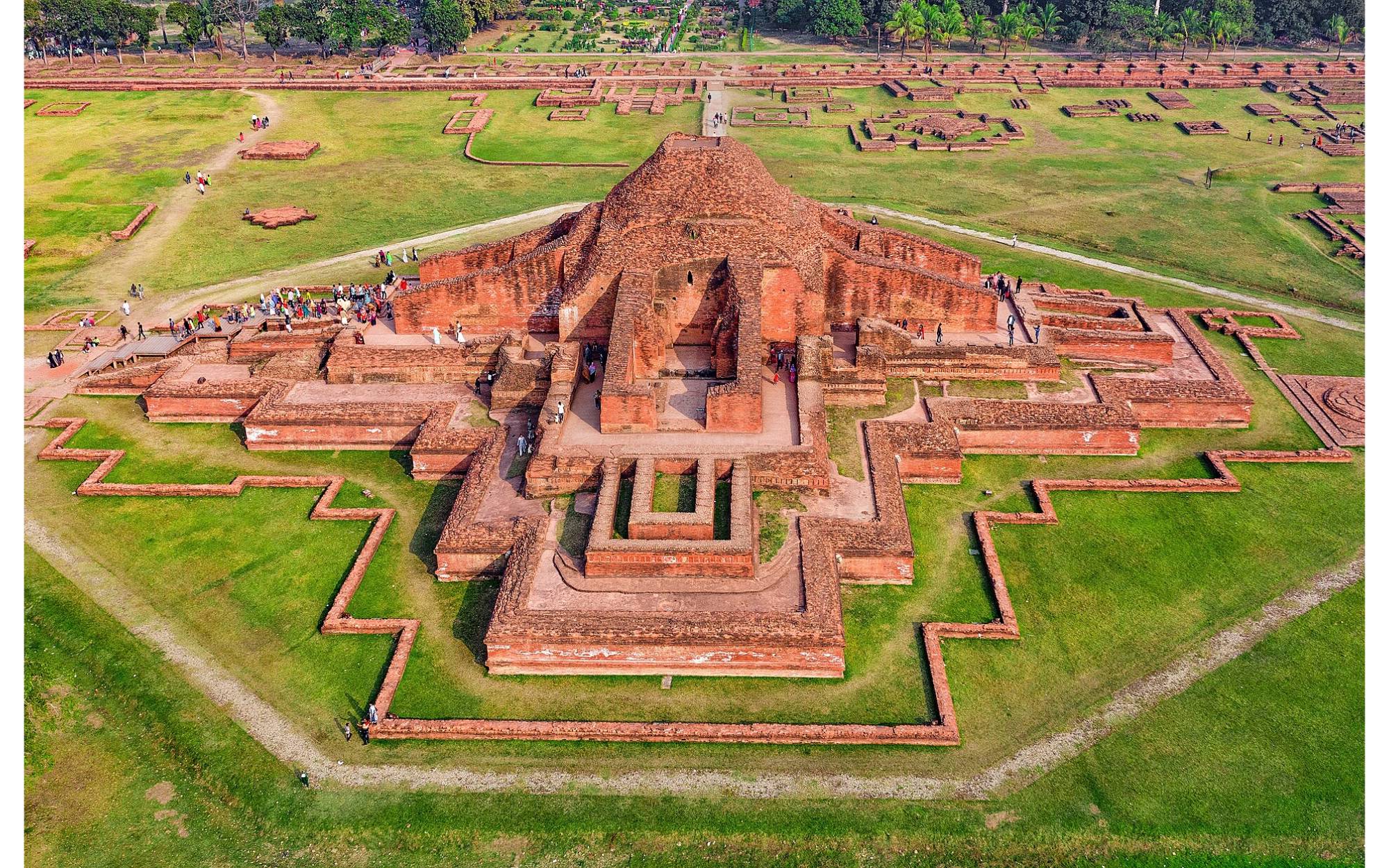
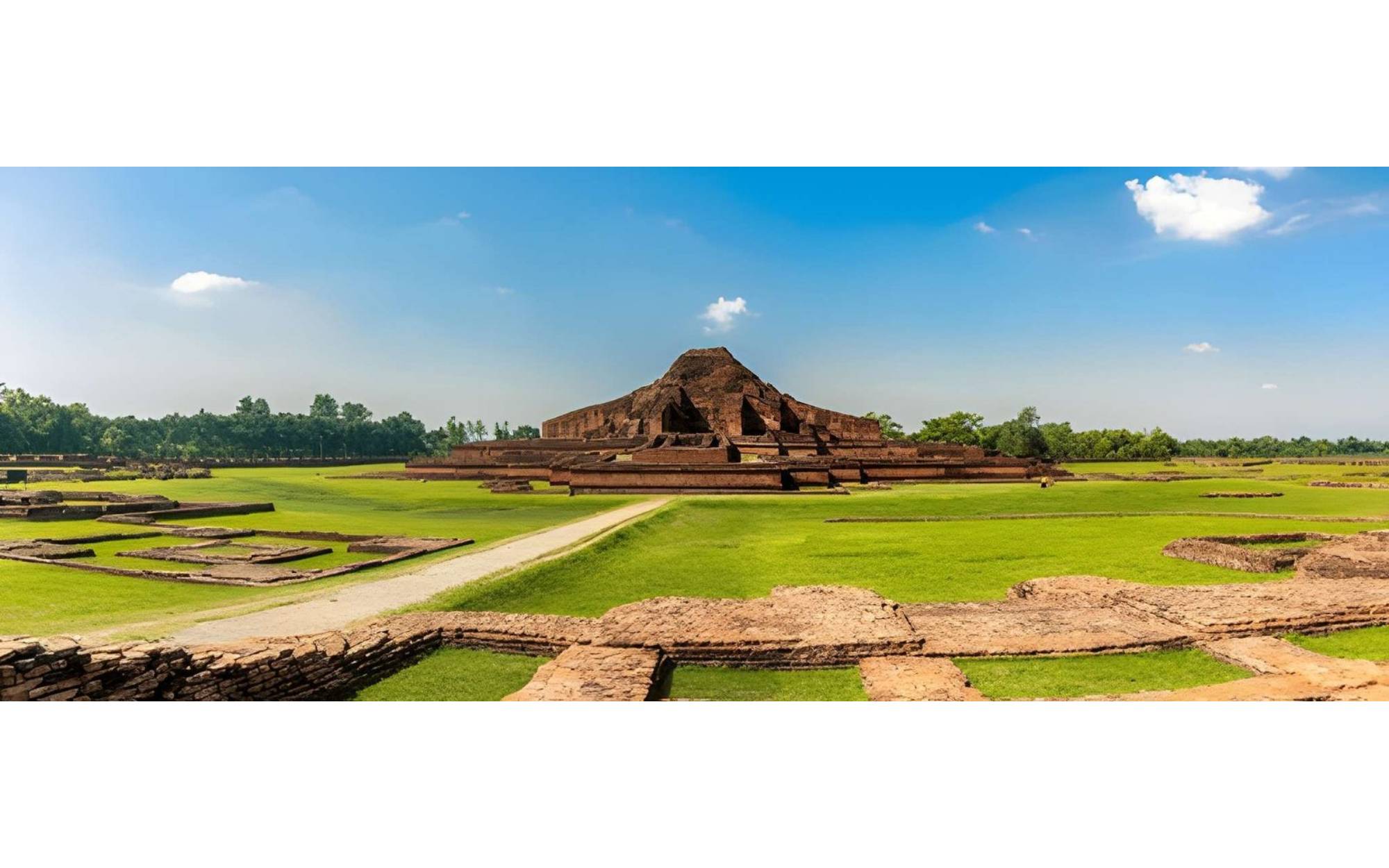
Somapura Mahavihara at Paharpur stands as one of the most important archaeological and religious heritage sites in Bangladesh and the wider Buddhist world. Located in present-day Naogaon District in northwestern Bangladesh, the monument is internationally recognized for its scale, architectural sophistication, and historical significance as a major center of Buddhist learning during the Pala period (UNESCO World Heritage Centre, n.d.; Ahmed, 2012). More than a ruined monastery, Somapura Mahavihara represents a remarkable cultural landscape where architecture, religion, art, and education once came together in a highly organized monastic setting.

History

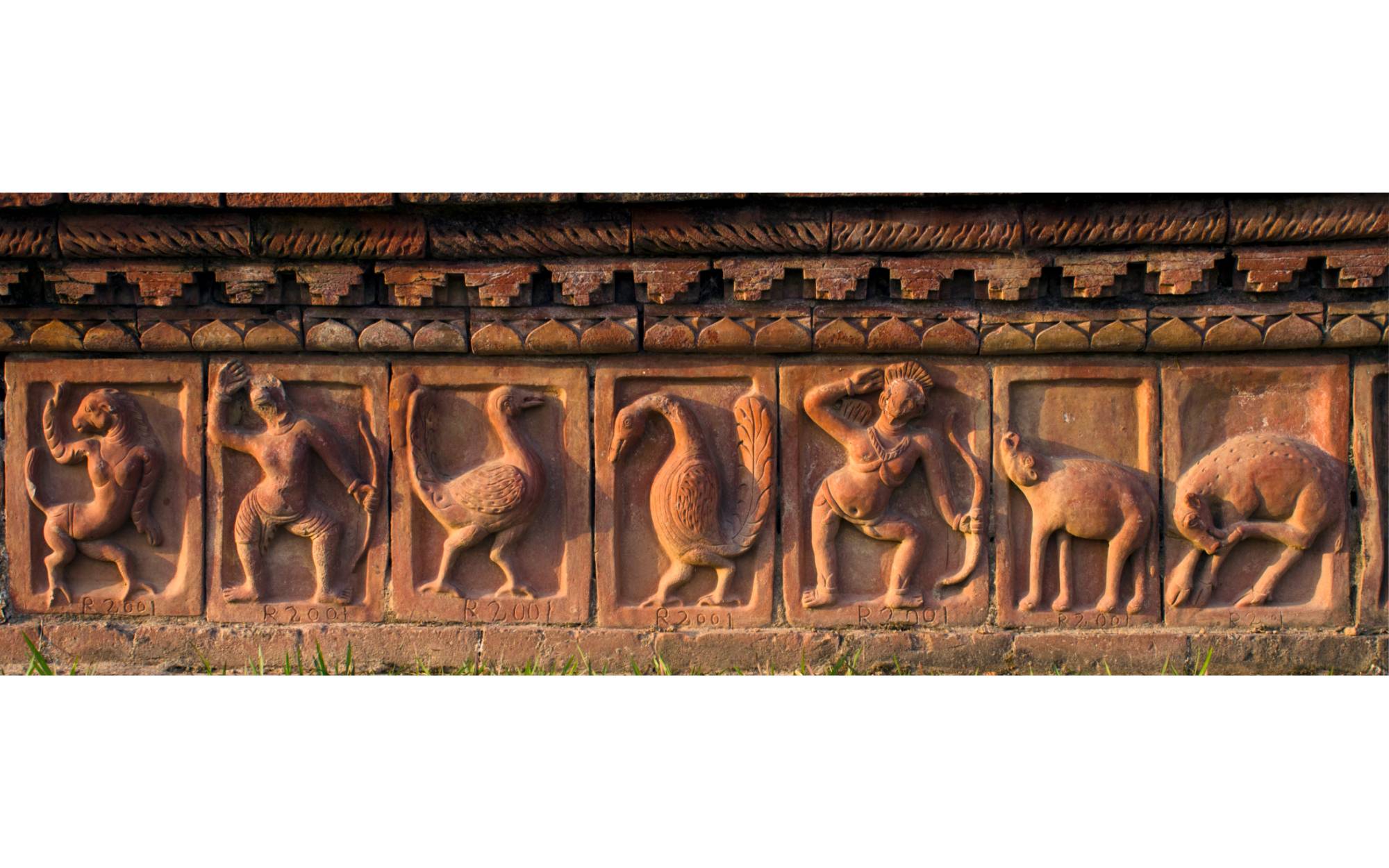
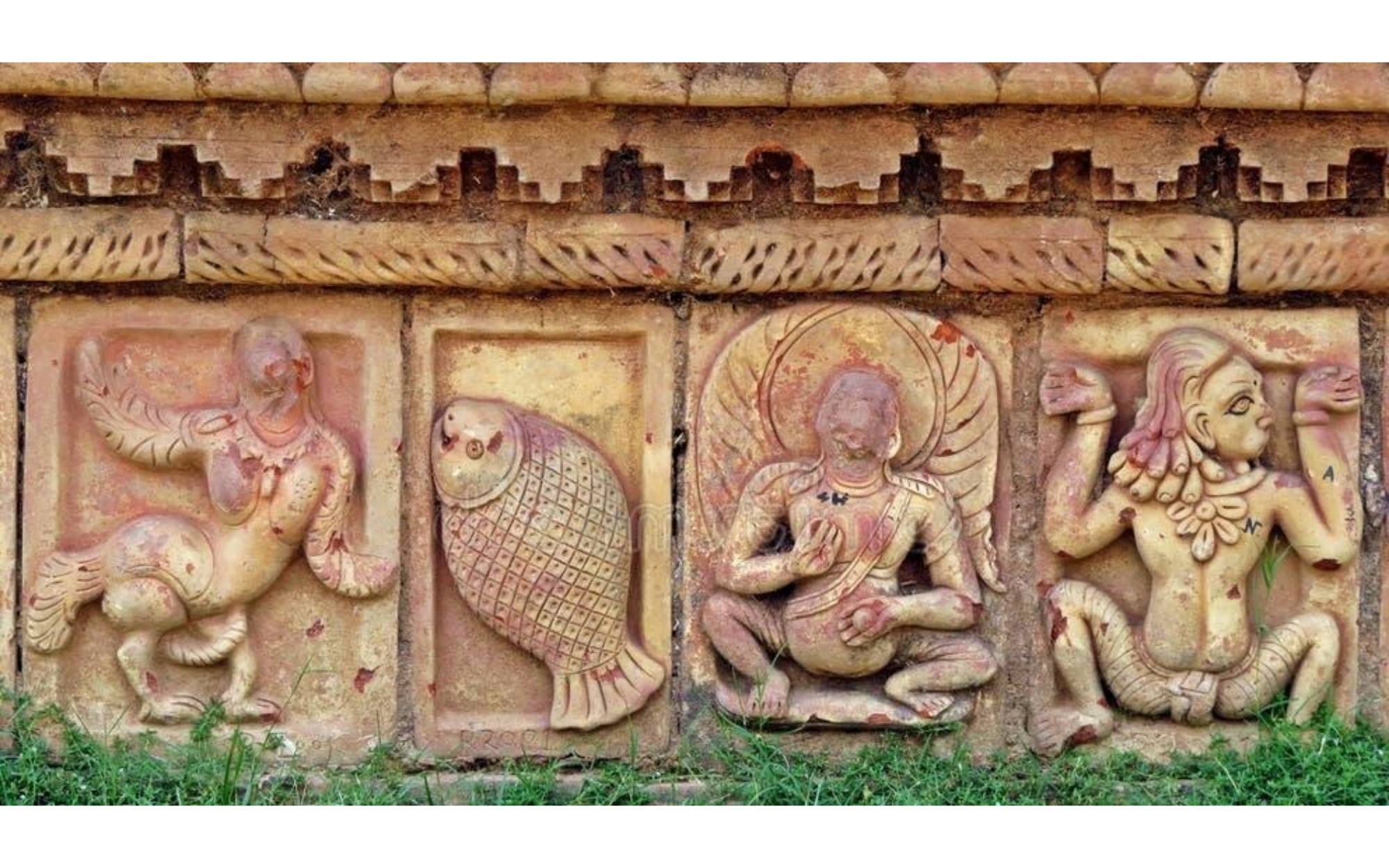
Somapura Mahavihara at Paharpur was one of the greatest Buddhist monasteries of early medieval South Asia. It was founded during the Pala period, most commonly attributed to King Dharmapala in the late 8th century CE, and it continued to develop under later Pala rulers. The site became an important center of Buddhist learning, religion, and artistic production, attracting monks and scholars and influencing monastery architecture across the region.

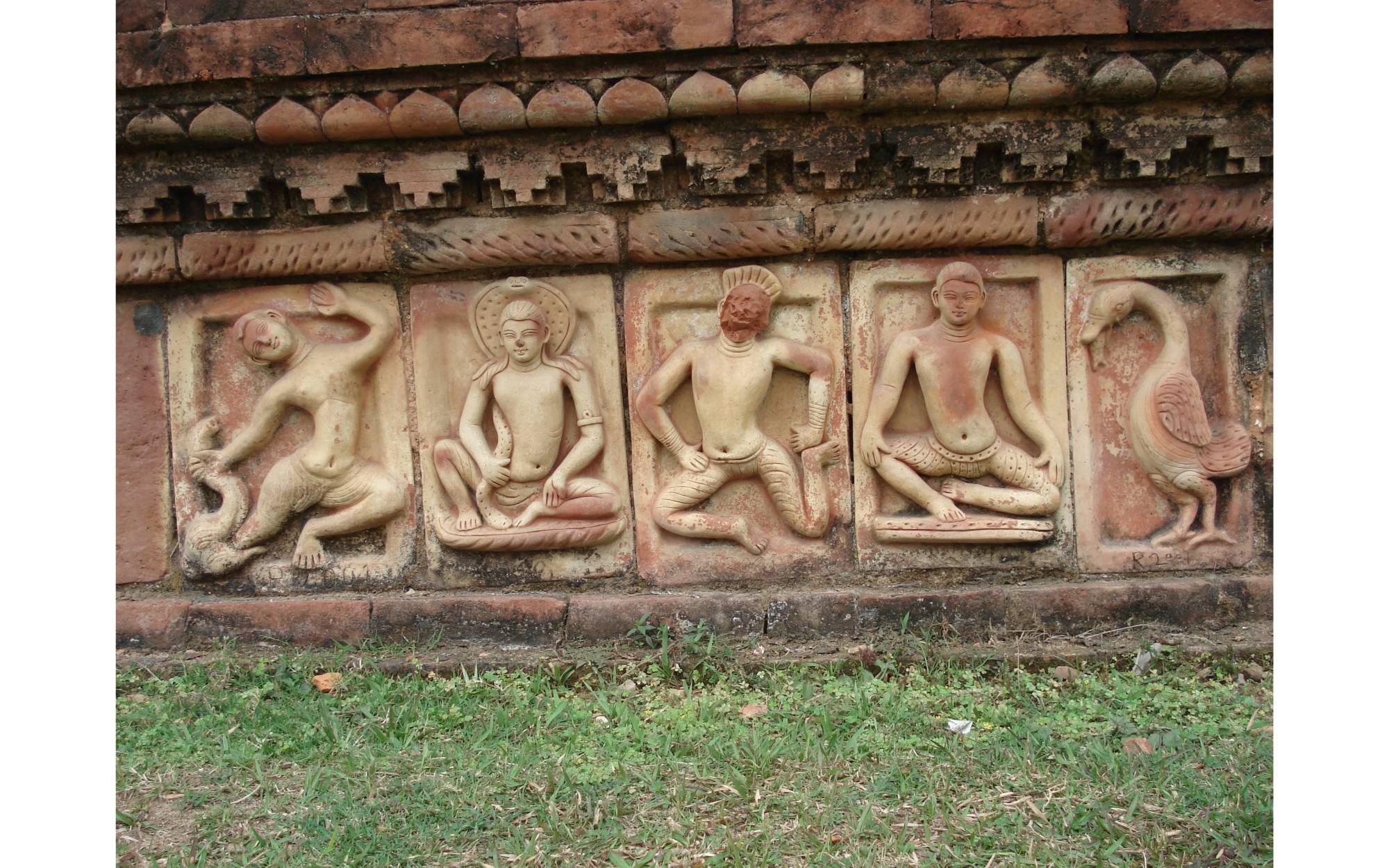
At its height, Somapura was not just a monastery but a major intellectual and cultural institution, connected to the wider Buddhist world of Bengal, Bihar, Nepal, and Southeast Asia. Its grand central shrine, monastic cells, terracotta plaques, and planned layout show the prosperity and sophistication of the Pala age.

From about the 12th century onward, the monastery declined due to changing political conditions, weakening Buddhist patronage, and regional instability. Eventually it was abandoned and buried over time. In the modern period, archaeologists rediscovered and excavated the site, revealing its importance as one of the finest surviving examples of Buddhist monastic architecture in the subcontinent.

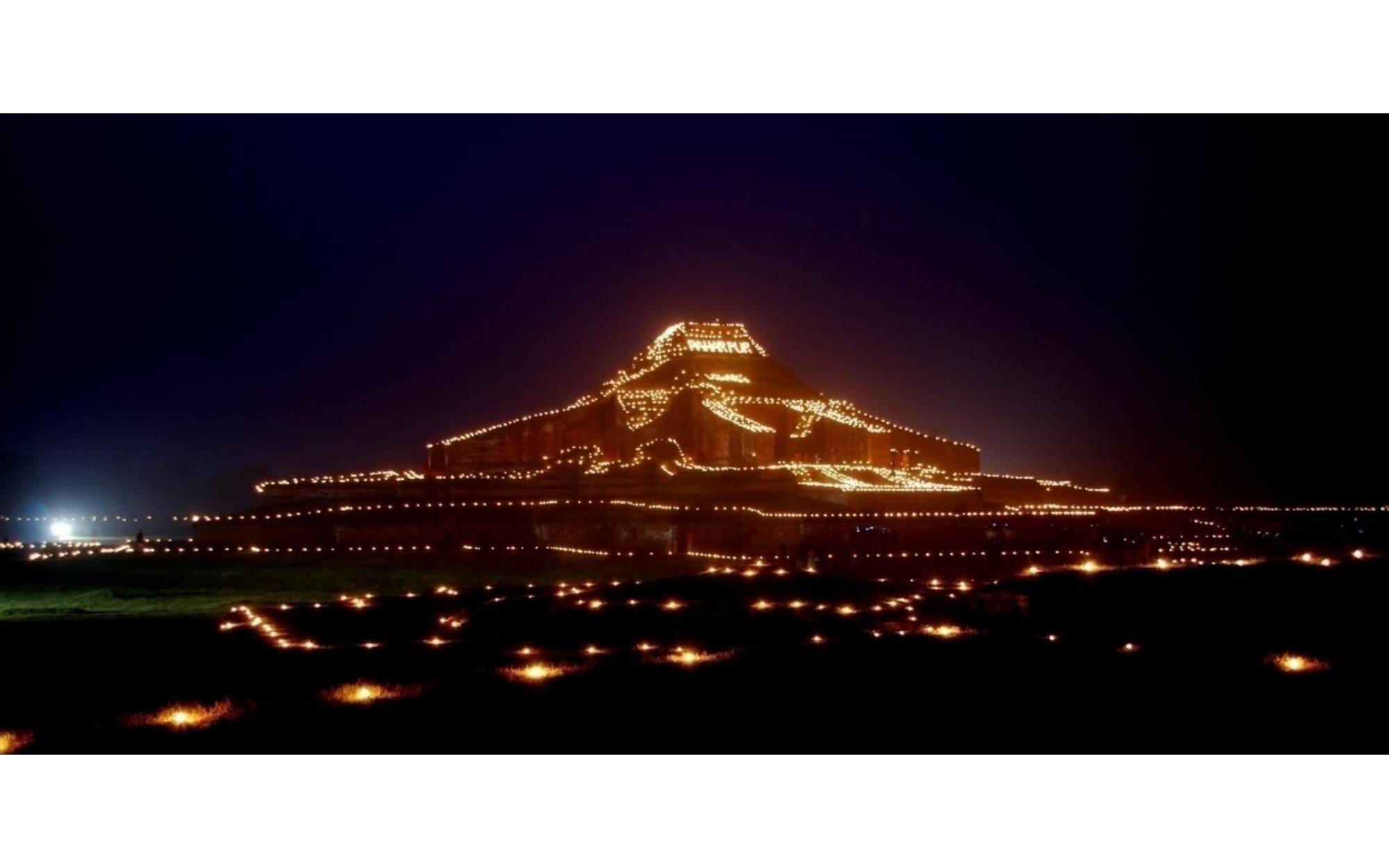
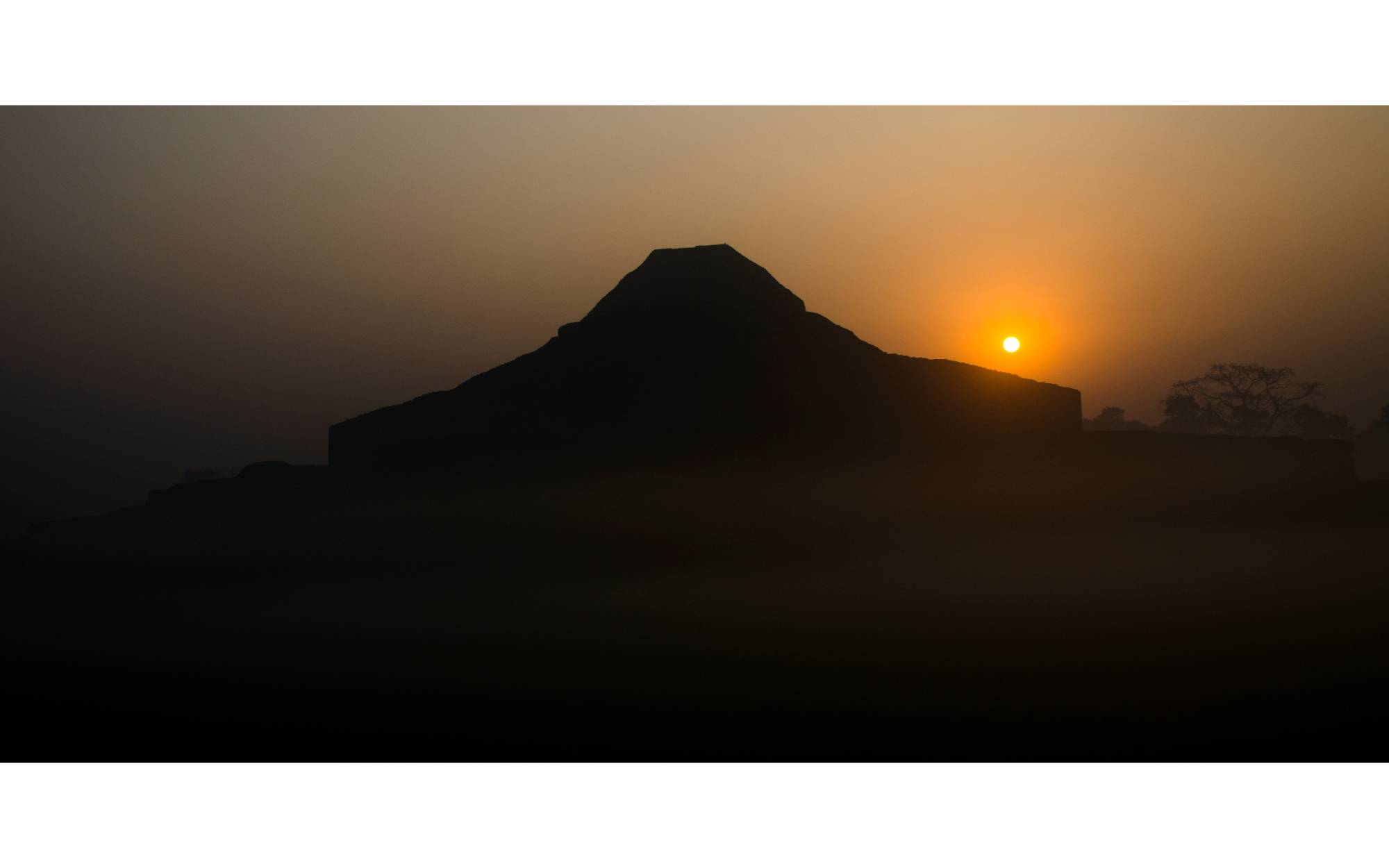
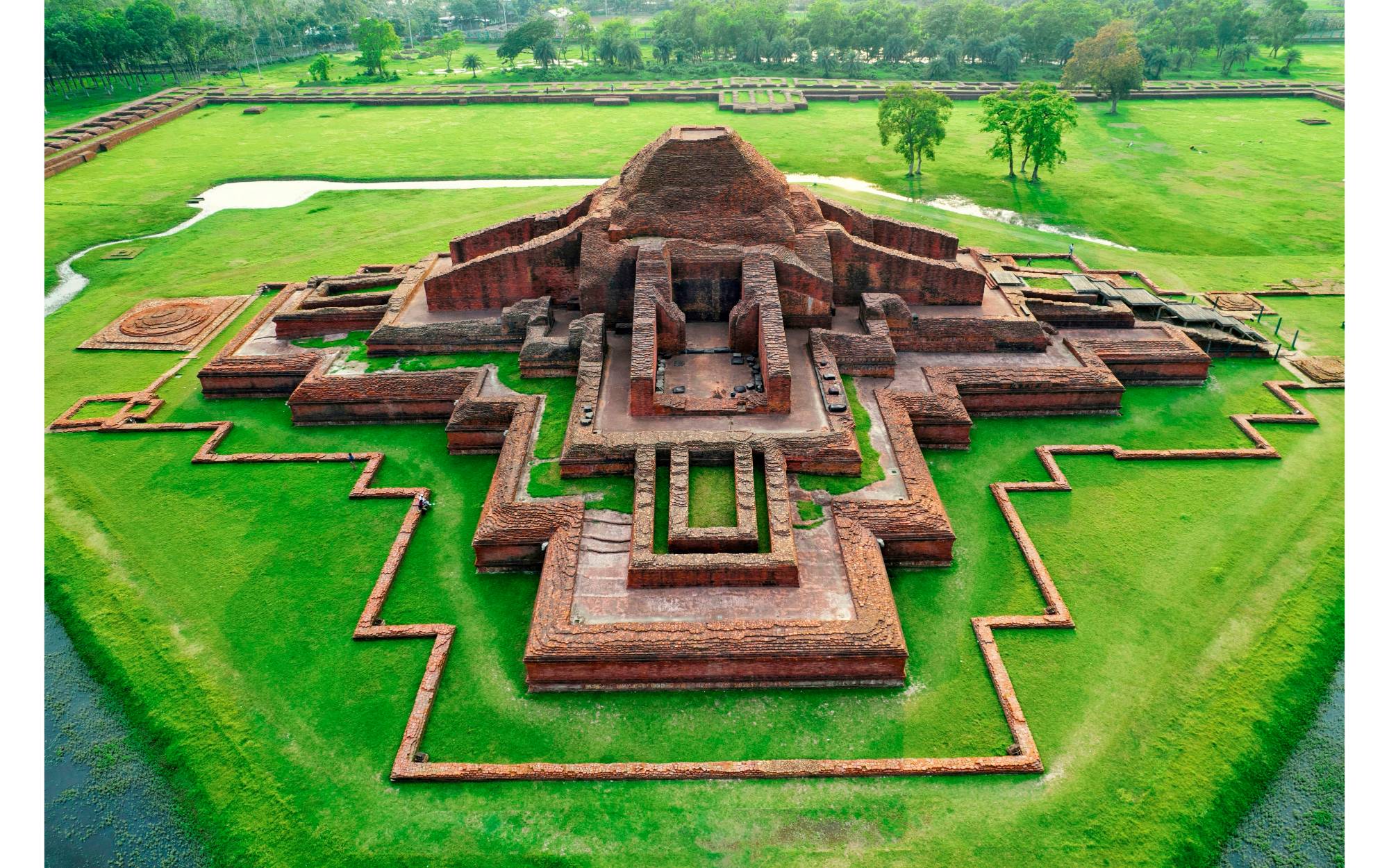
Image: Somapura Mahavihara, Paharpur: A Landmark of Buddhist Heritage in Bangladesh
Architecture

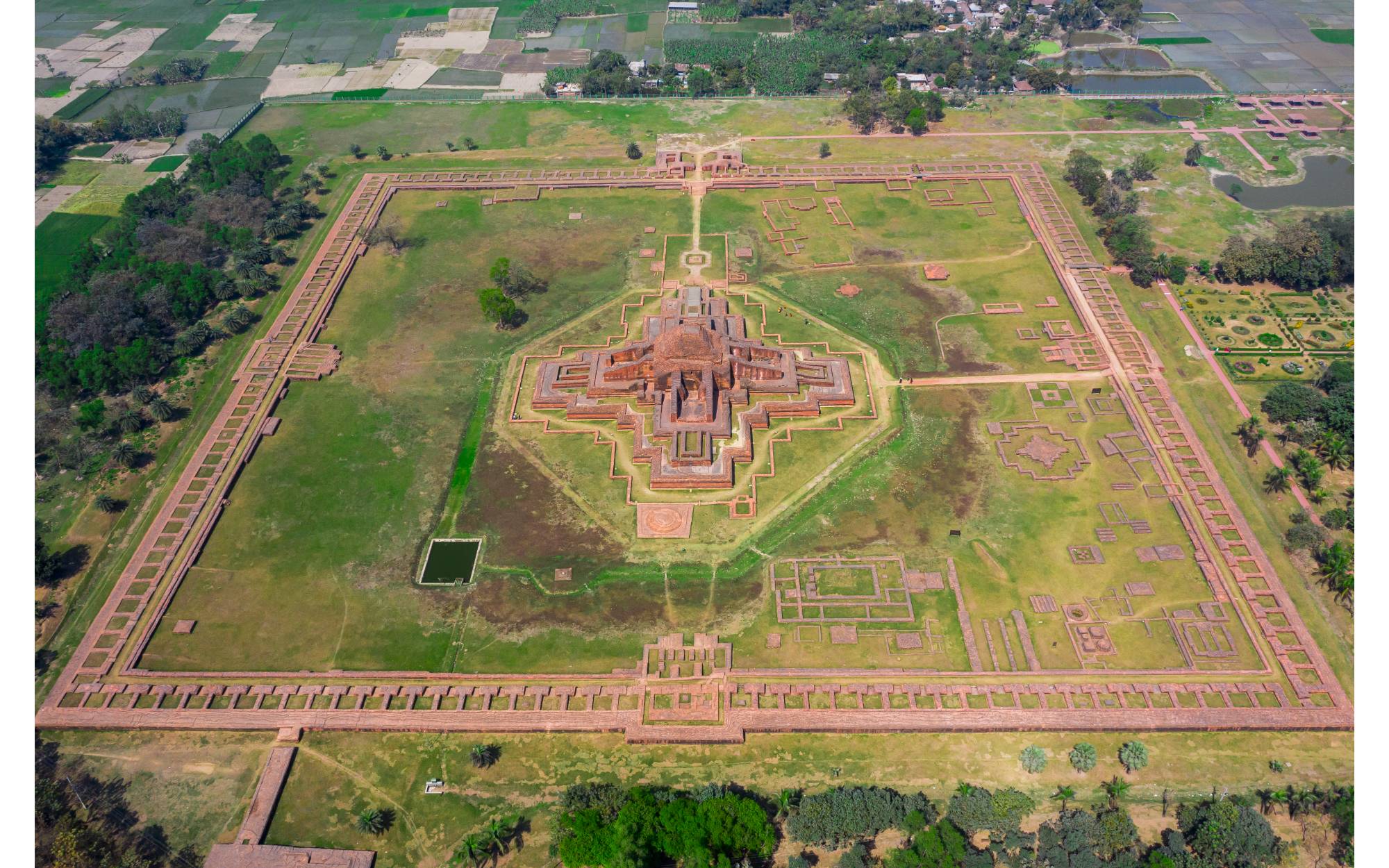
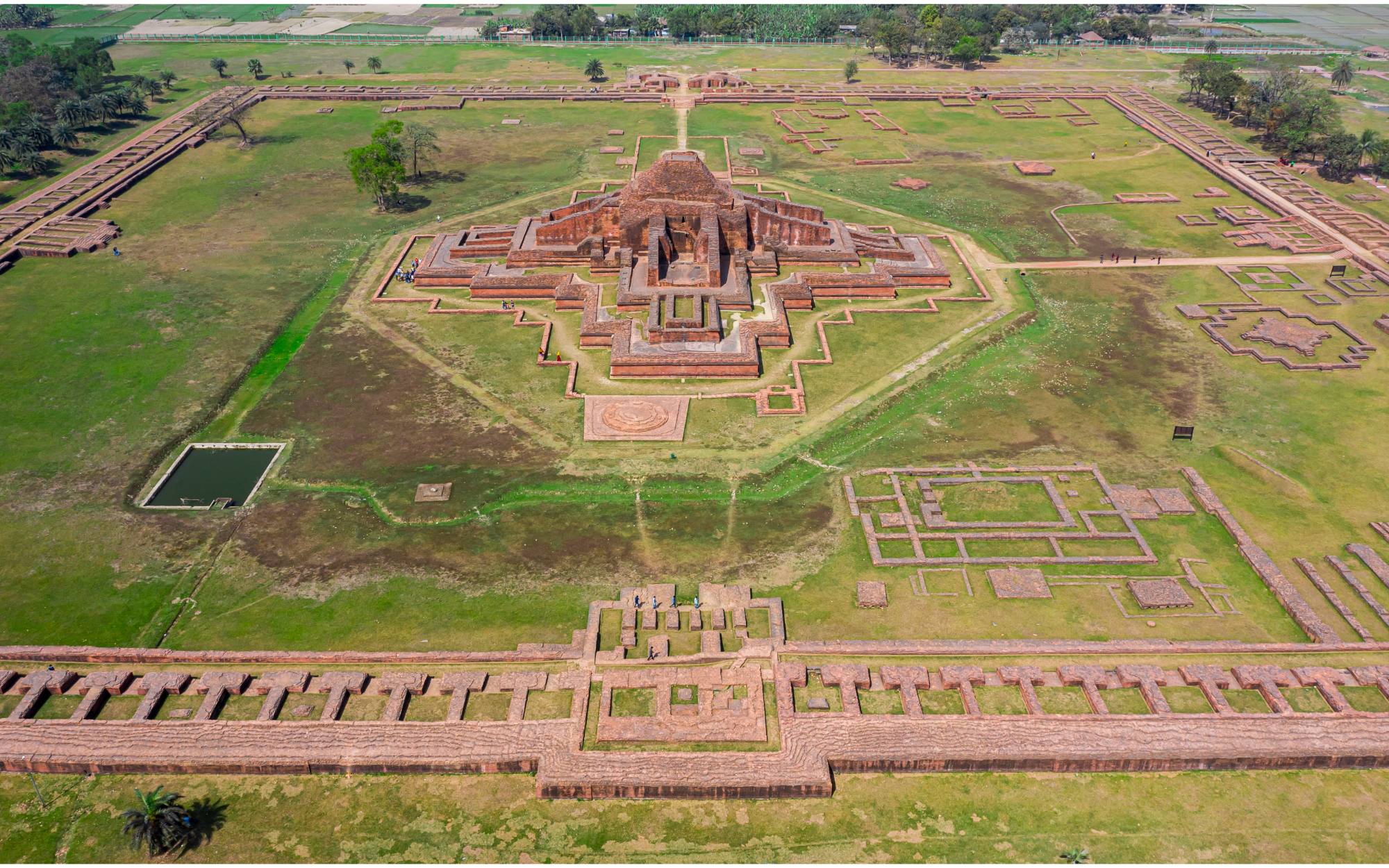
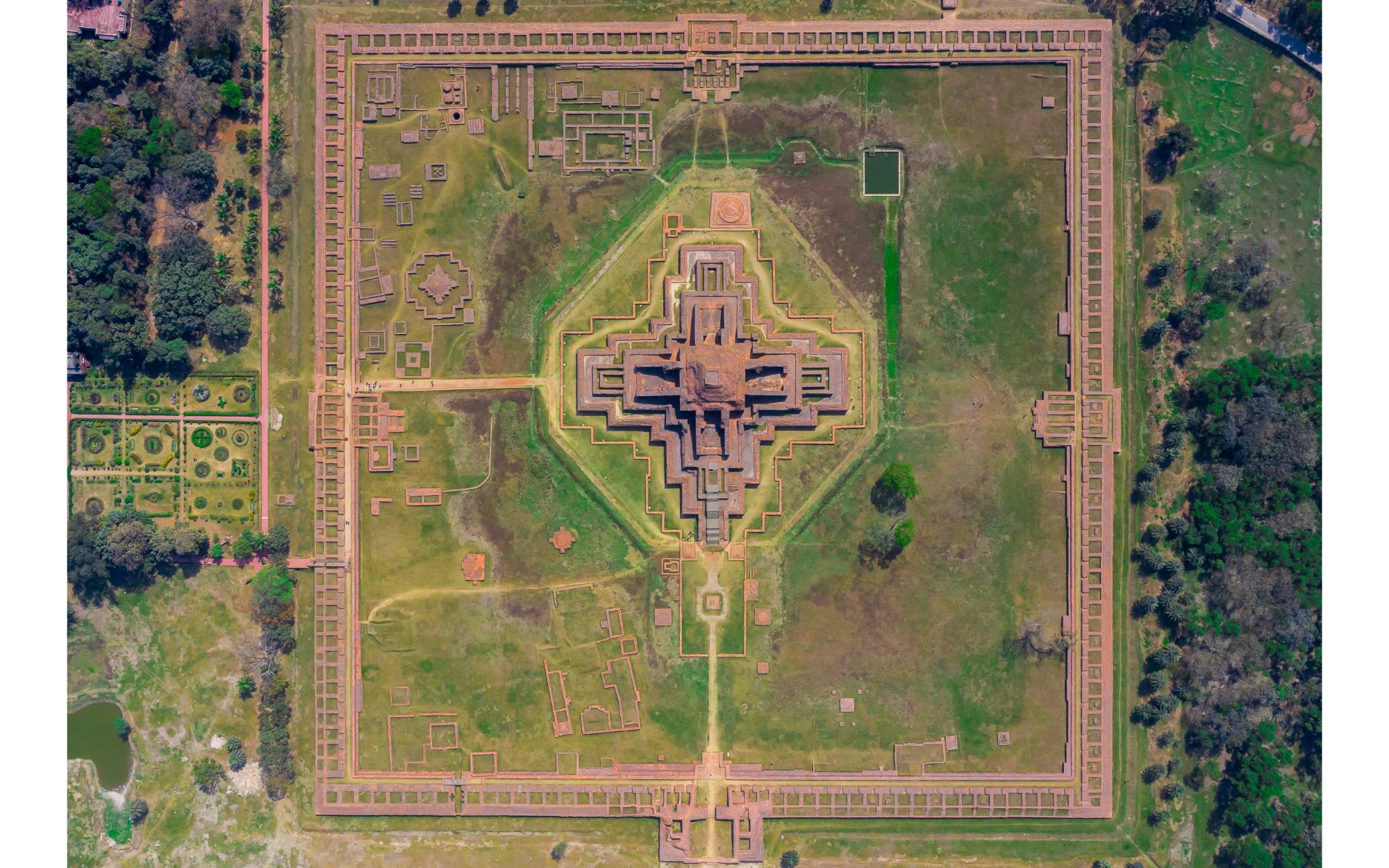
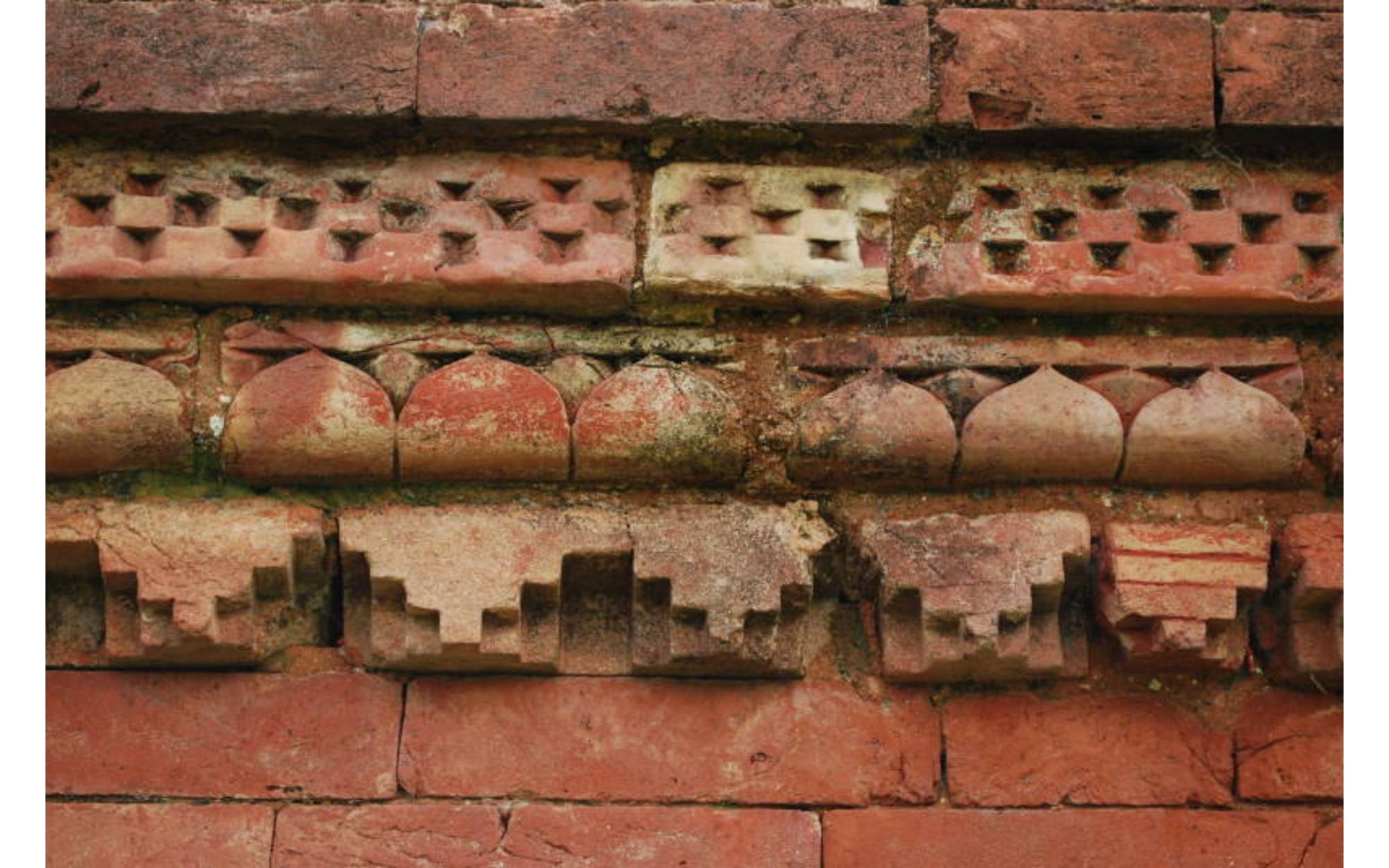
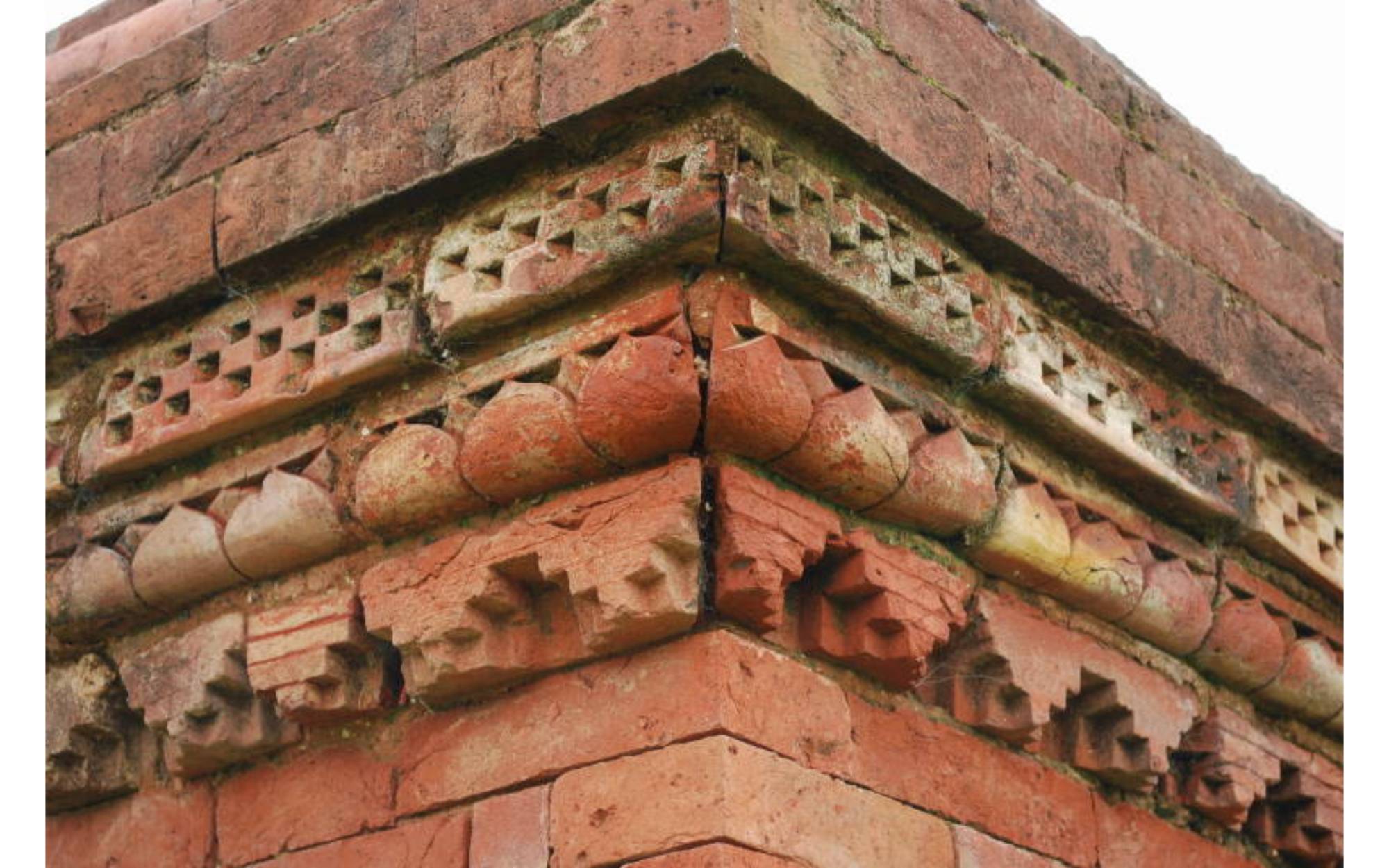
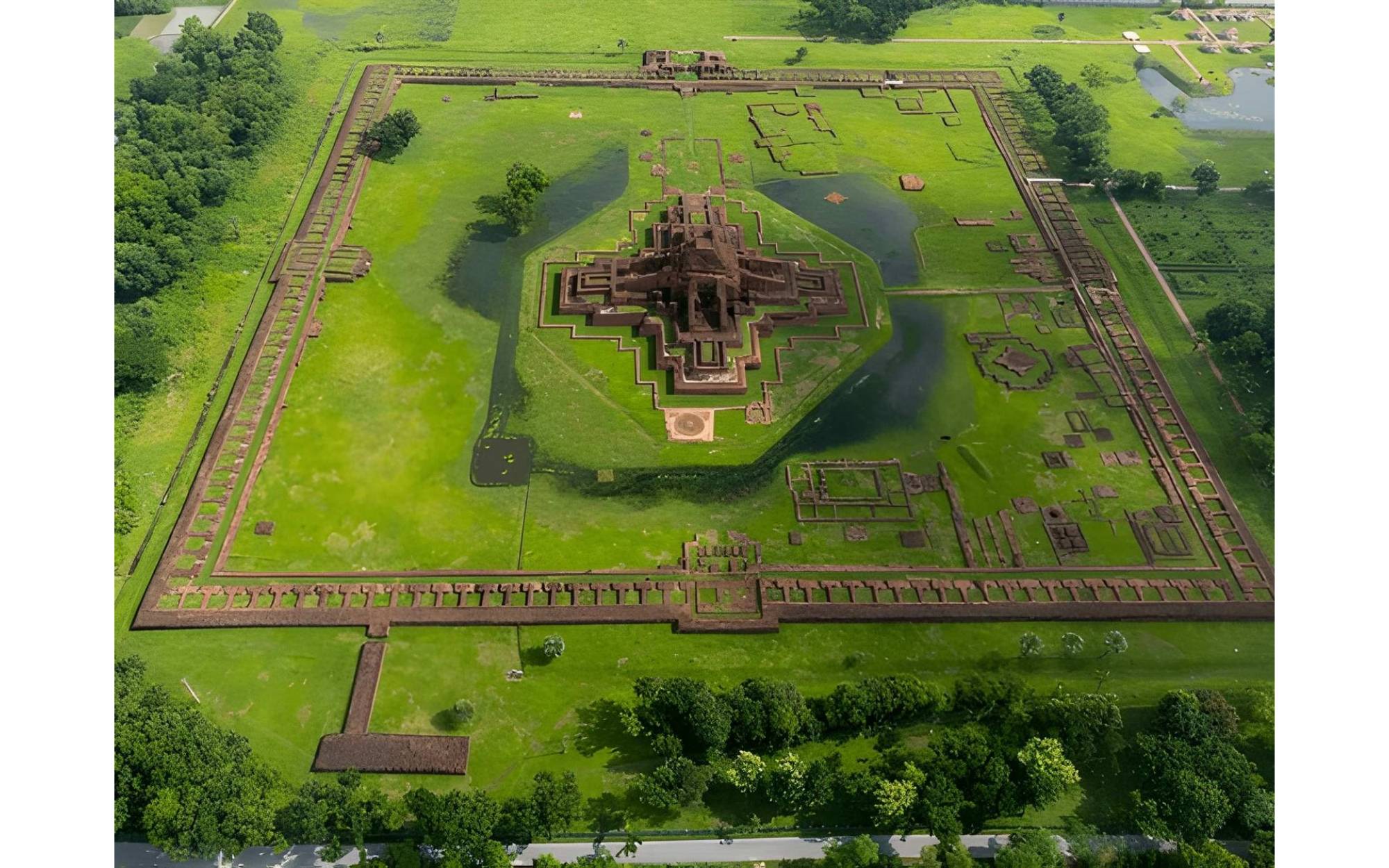
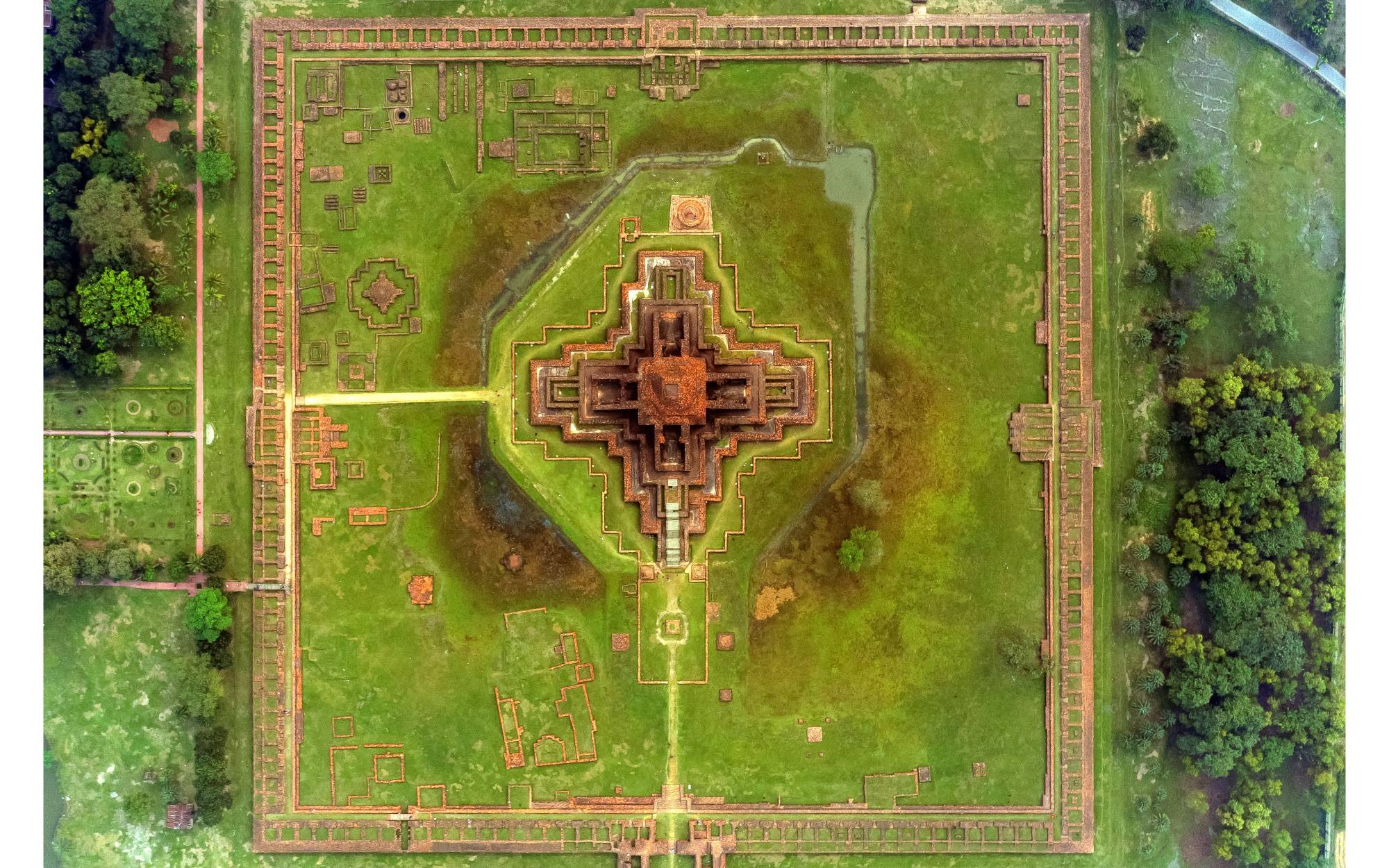
Somapura Mahavihara is characterized by its monumental quadrangular monastic layout, centralized cruciform shrine, axial symmetry, brick massing, terracotta ornamentation, and hierarchically organized sacred spatial composition.

Architectural Features of Somapura Mahavihara

  • Monumental quadrangular monastery layout
  • Strong axial planning and geometric order
  • Centralized composition with a dominant cruciform shrine
  • Introverted courtyard typology enclosed by monastic cells
  • Perimeter cloister-like arrangement of 177 cells
  • Hierarchical spatial organization centered on the main temple
  • Burnt brick construction expressing mass and solidity
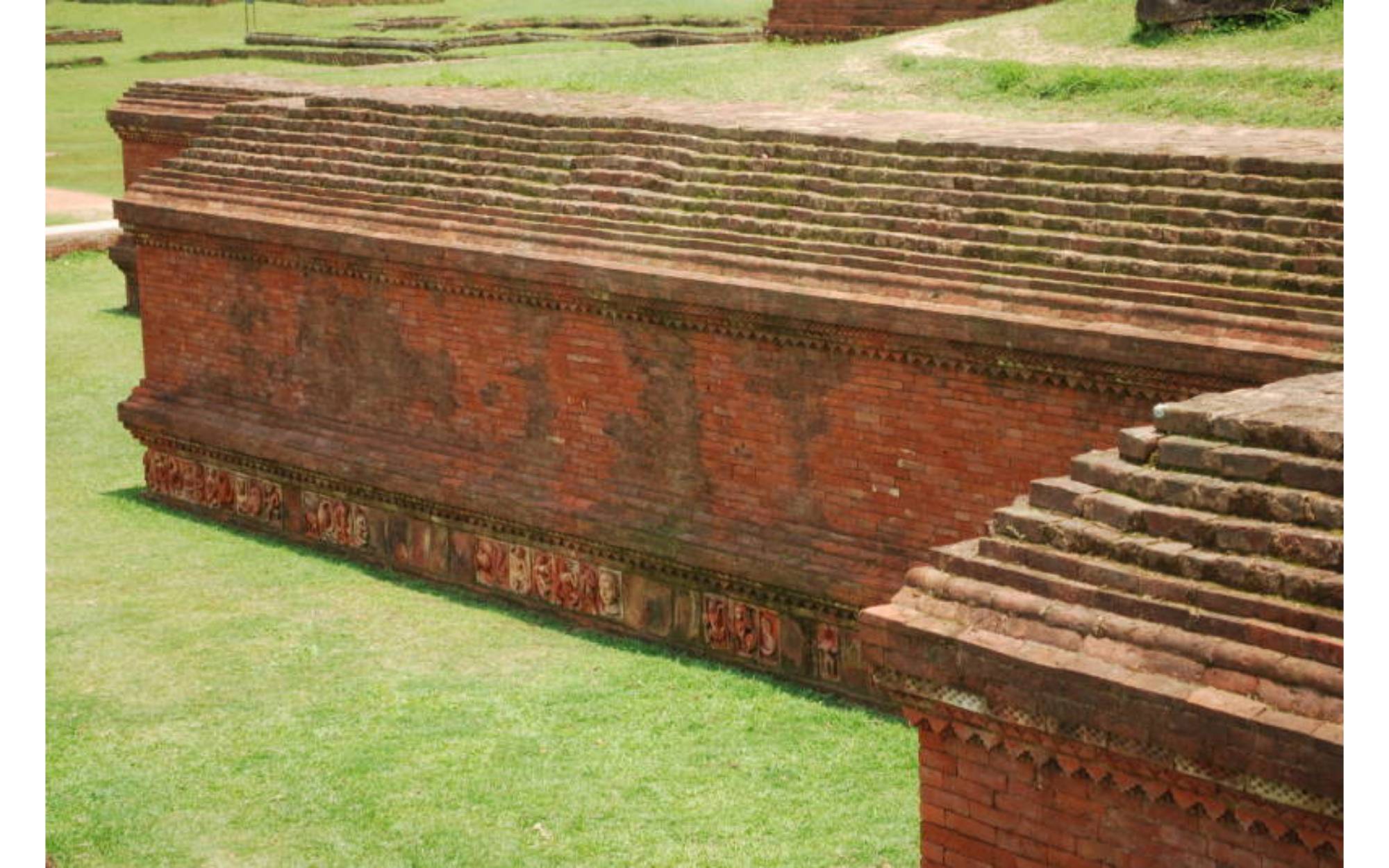
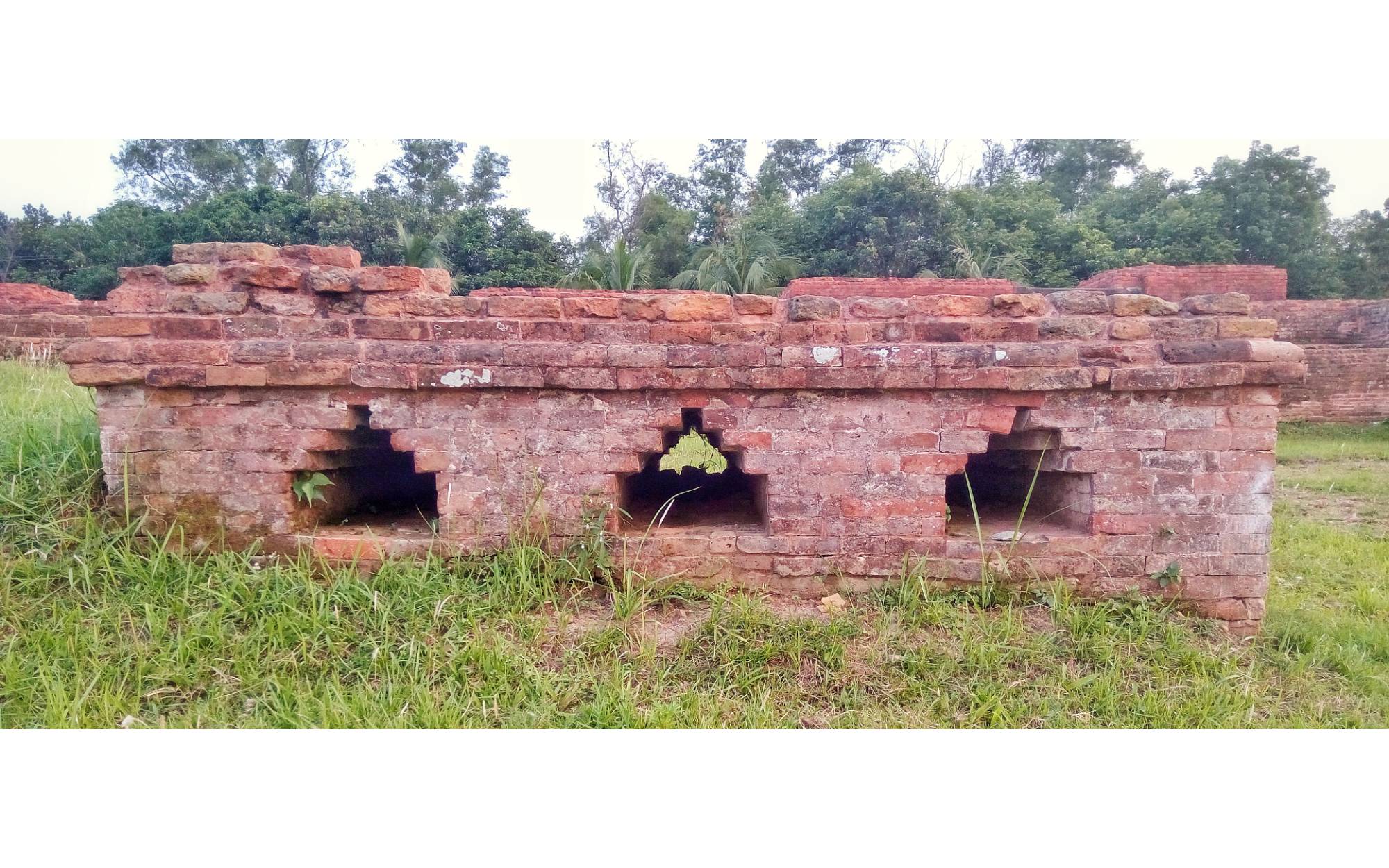
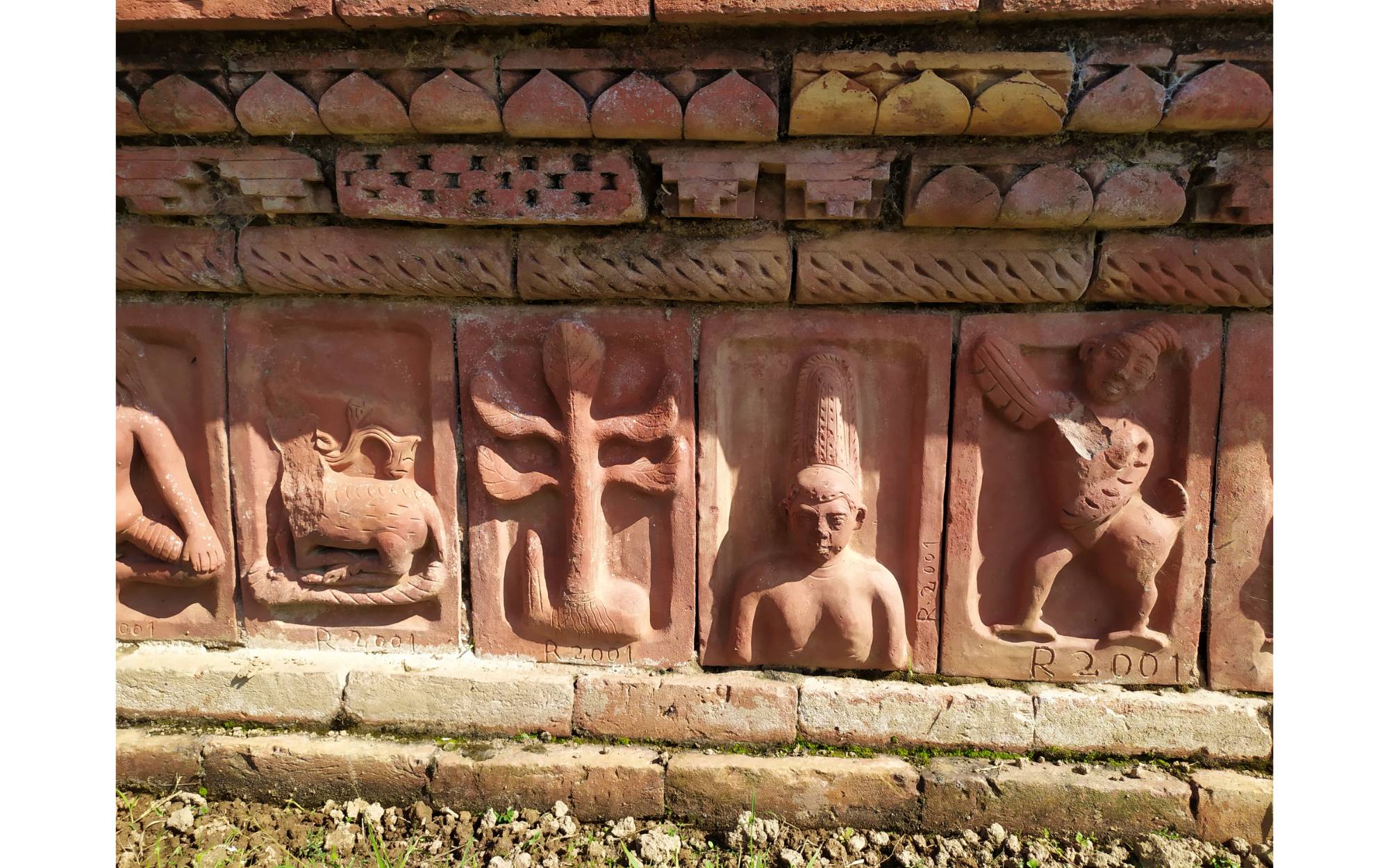
  • Extensive terracotta articulation on exterior surfaces
  • Presence of subsidiary shrines, stupas, gateways, and circulation paths
  • Clear sense of symmetry, rhythm, repetition, and enclosure
  • Fusion of sacred architecture and monastic function
  • Strong plinth-based composition and visual monumentality