Abstract
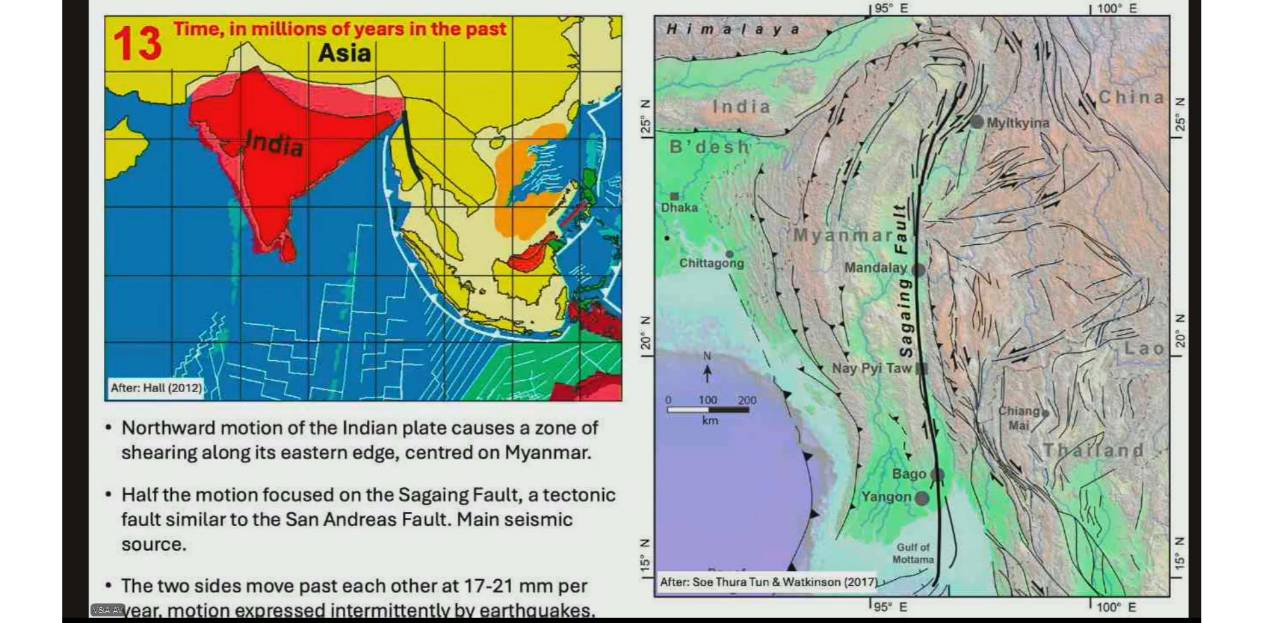
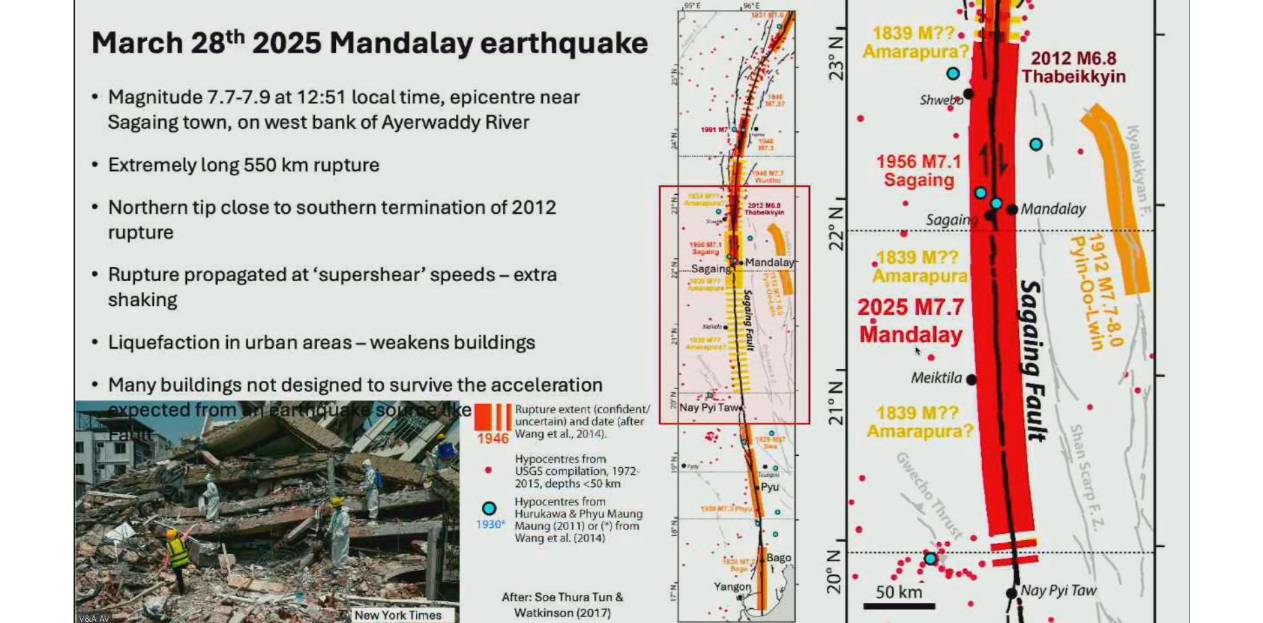
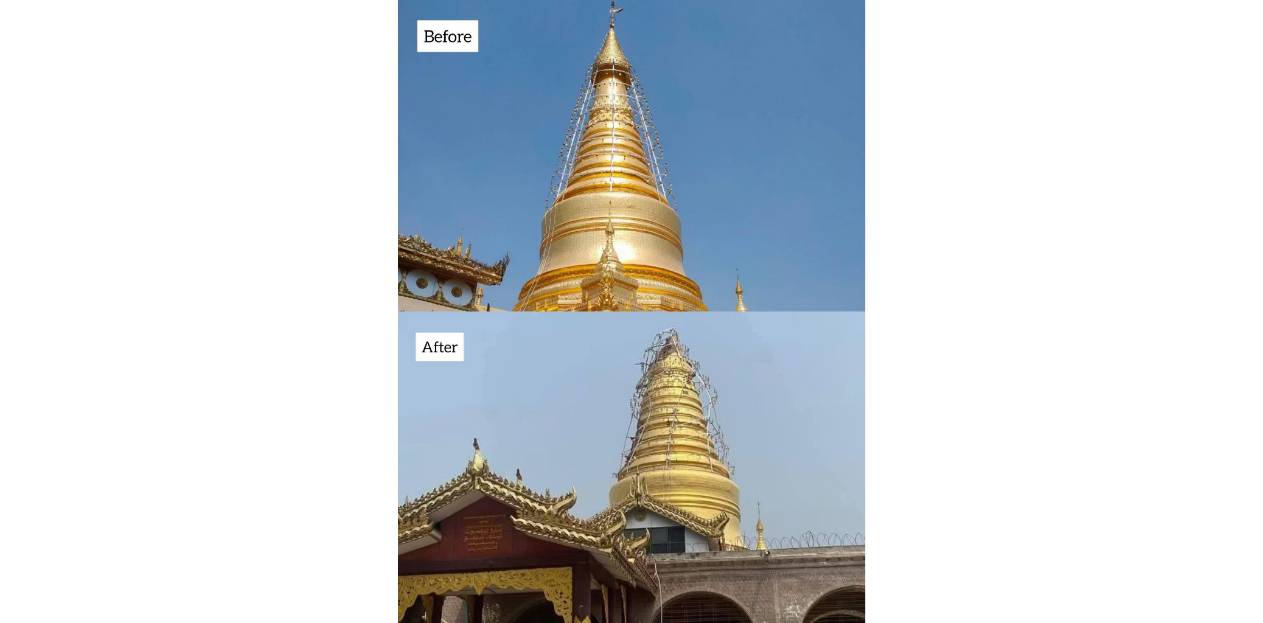
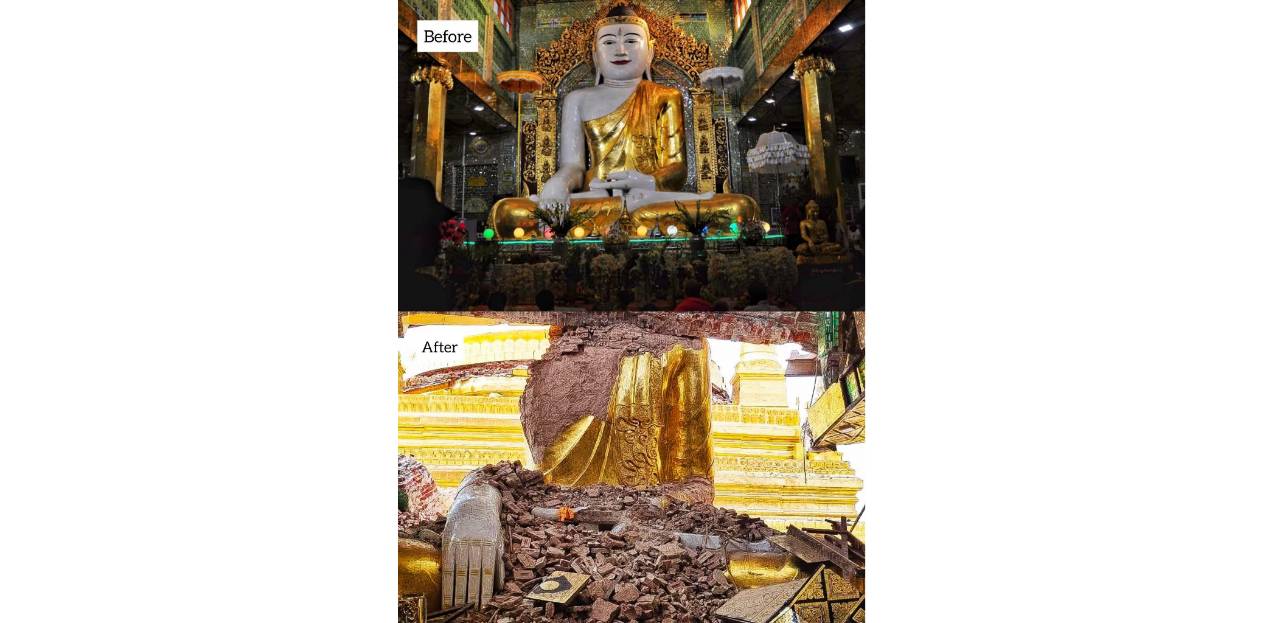
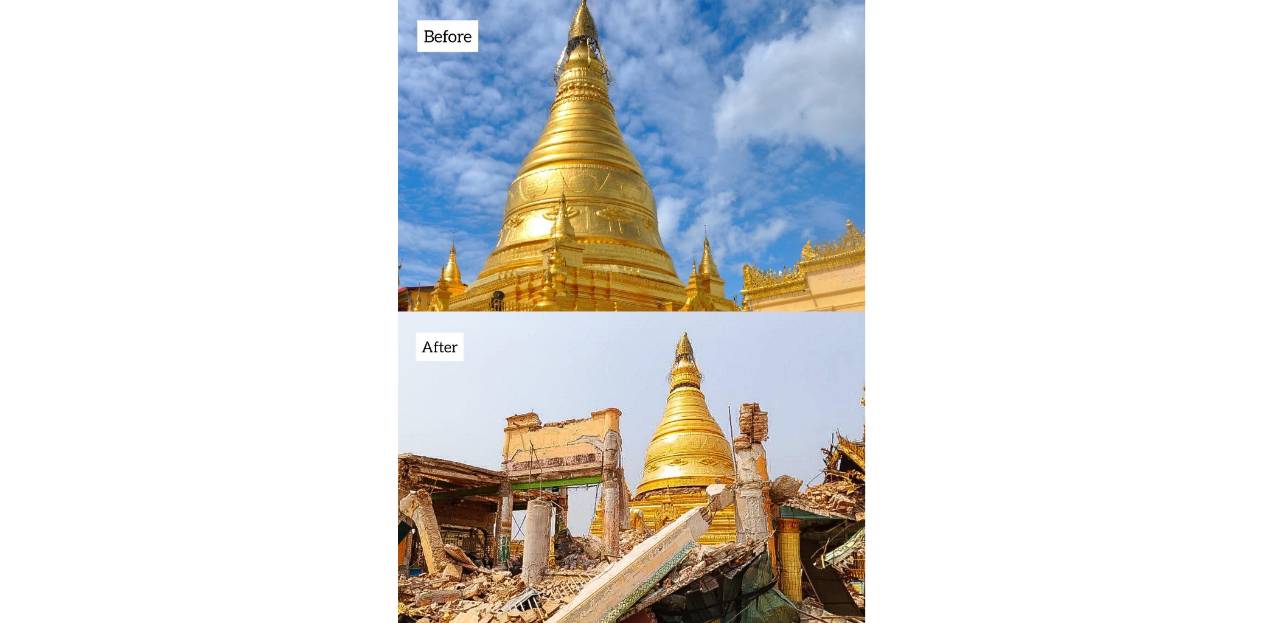
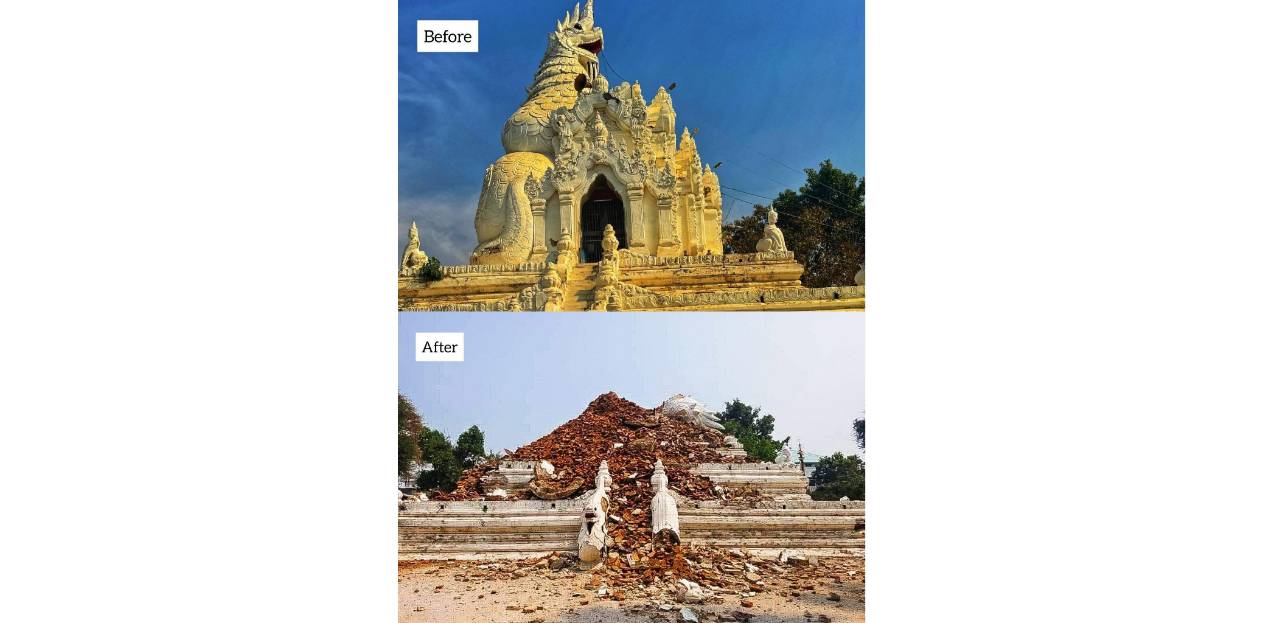
A magnitude 7.7 earthquake struck central Myanmar on 28 March 2025, causing severe human losses and widespread damage to infrastructure and cultural assets across the Mandalay–Sagaing corridor. This article synthesizes seismological briefings, rapid satellite assessments, field missions, and news reporting to document impacts on tangible and intangible heritage; contrasts damage patterns across key sites including Inwa, Mandalay, Mingun, and Bagan; and outlines priorities for emergency stabilization, community-centered recovery, and risk reduction for Myanmar’s cultural sector.
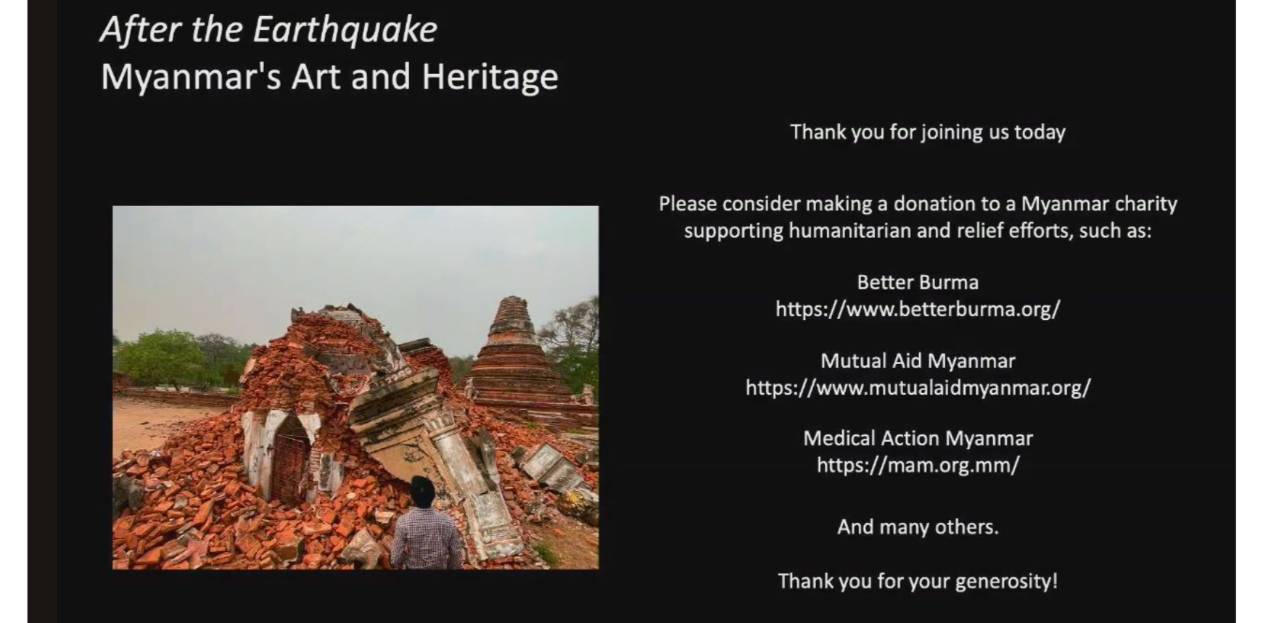
In the aftermath of the powerful earthquake that struck central Myanmar on March 28, 2025, a remarkable gathering unfolds—a study day devoted to rediscovering and re imagining the nation’s artistic soul. Scholars, curators, and heritage professionals come together, their hearts united by a shared purpose: to honor Myanmar’s breathtaking art, architecture, and cultural traditions, even as they confront the challenges of preservation in a changed landscape.
This special event opens its doors not only to experts but also to students and anyone moved by Myanmar’s cultural legacy. It becomes a meeting point of minds and memories—a space where art historians, archaeologists, and curators exchange stories that bridge past and present. Voices from both Myanmar and the UK museums weave together tales of craftsmanship, resilience, and the timeless beauty of temples, paintings, and artifacts that define the country’s heritage.
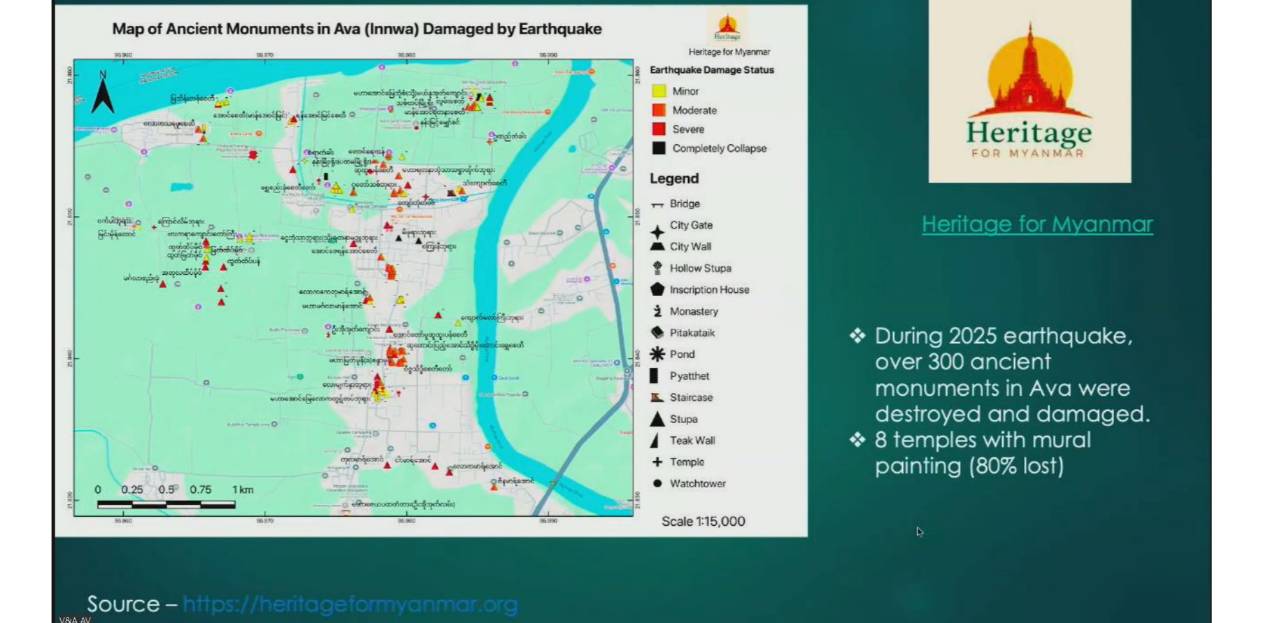
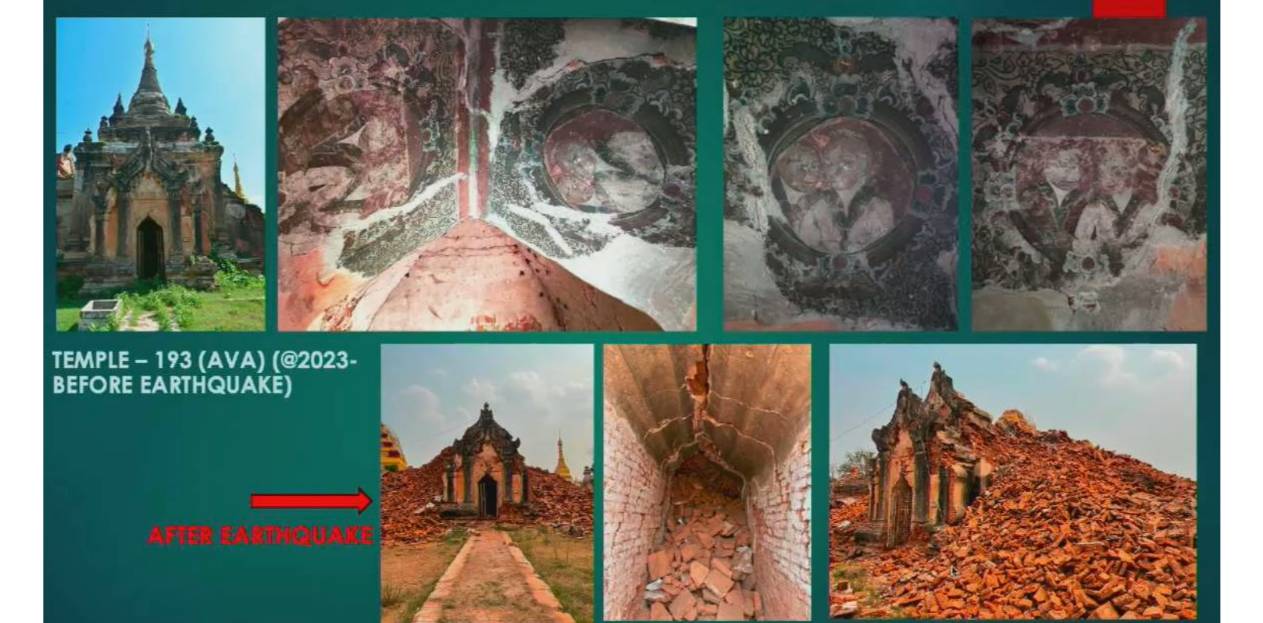
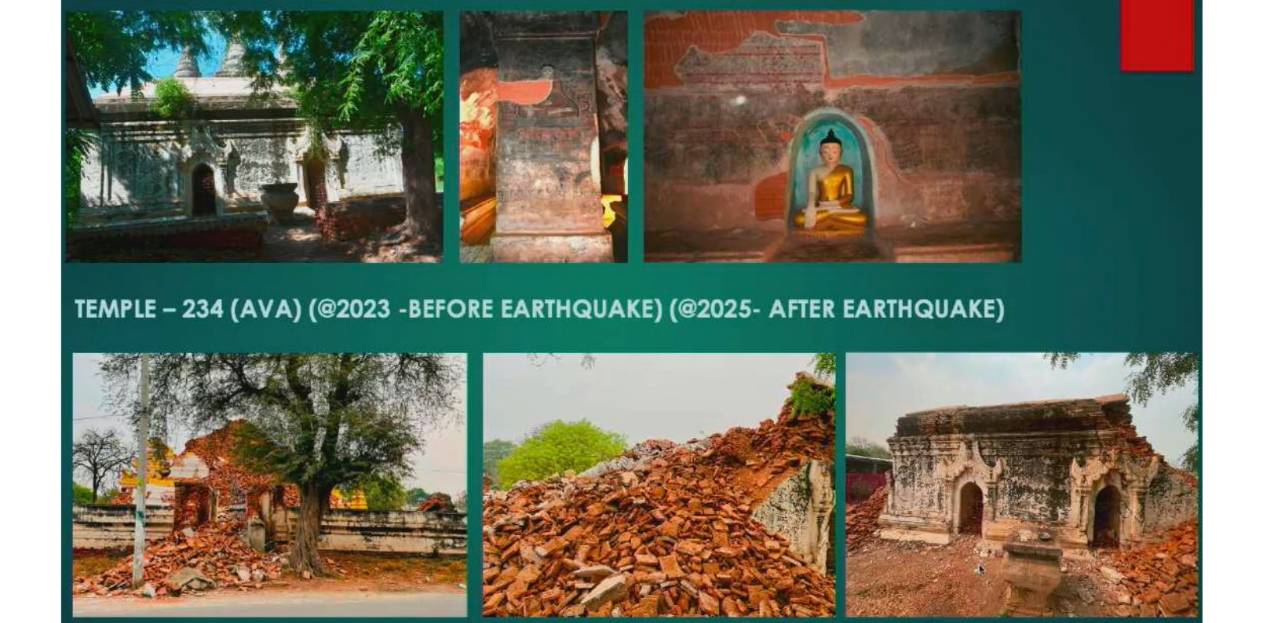
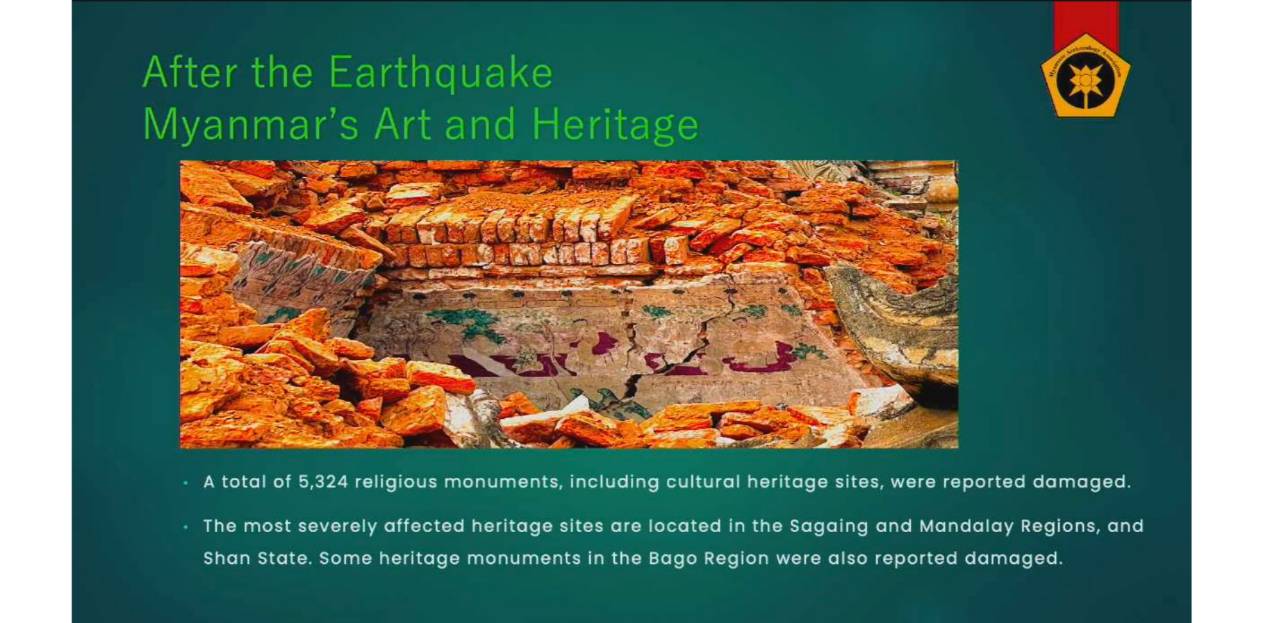
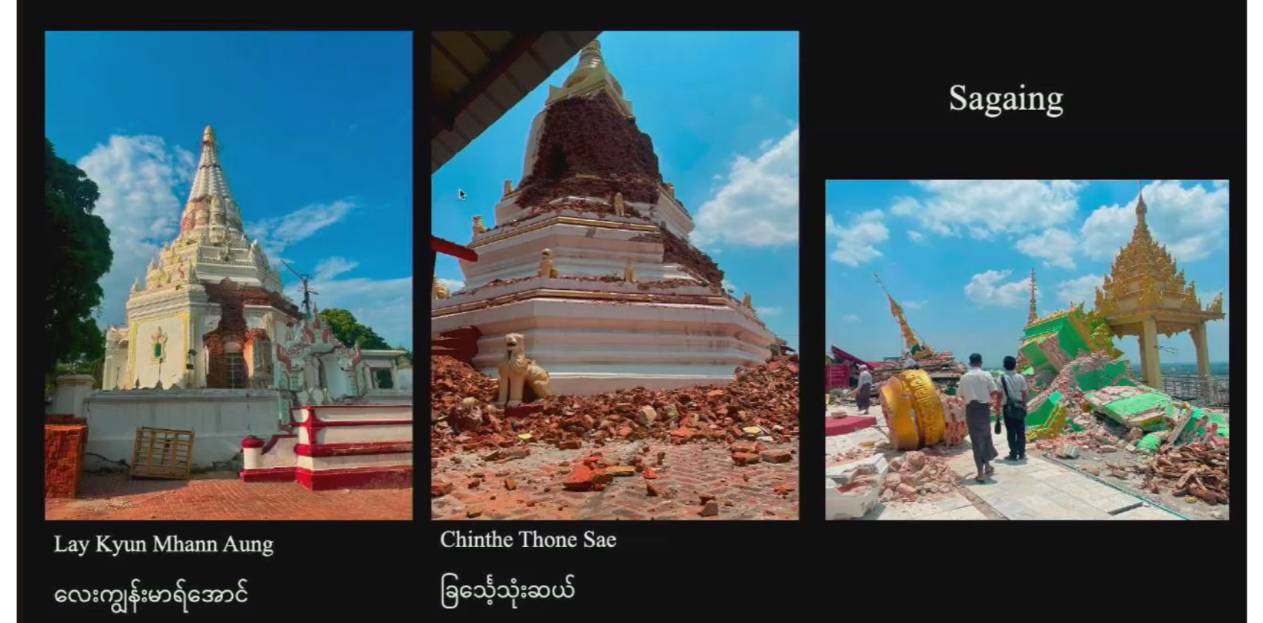
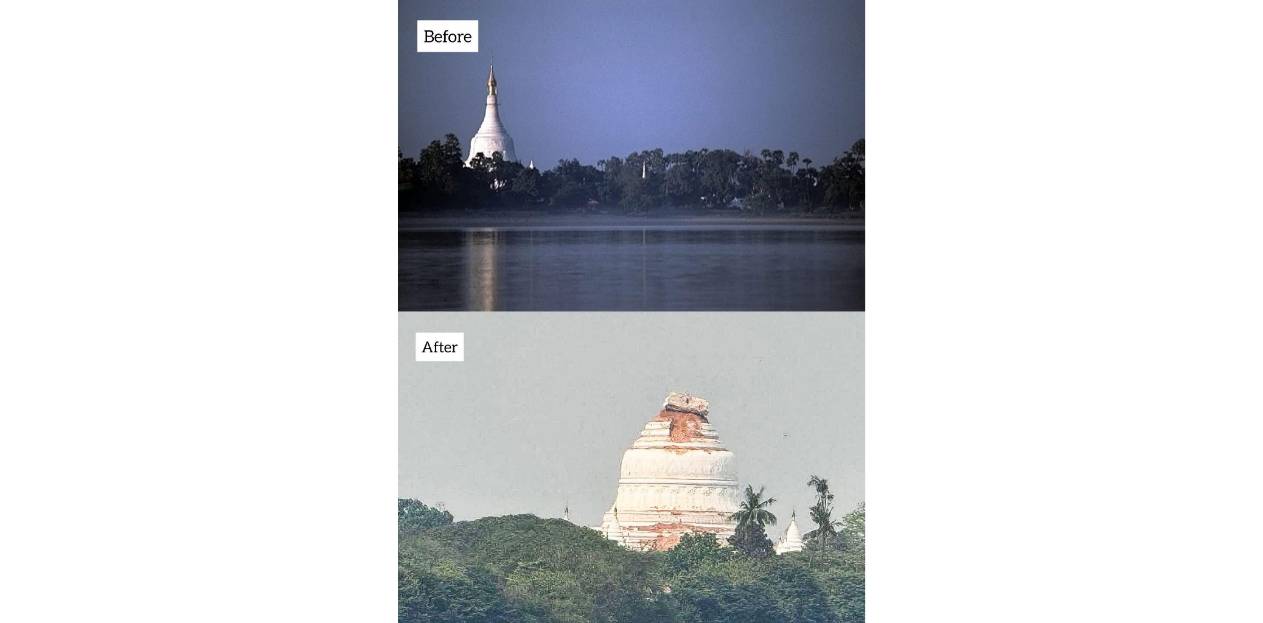
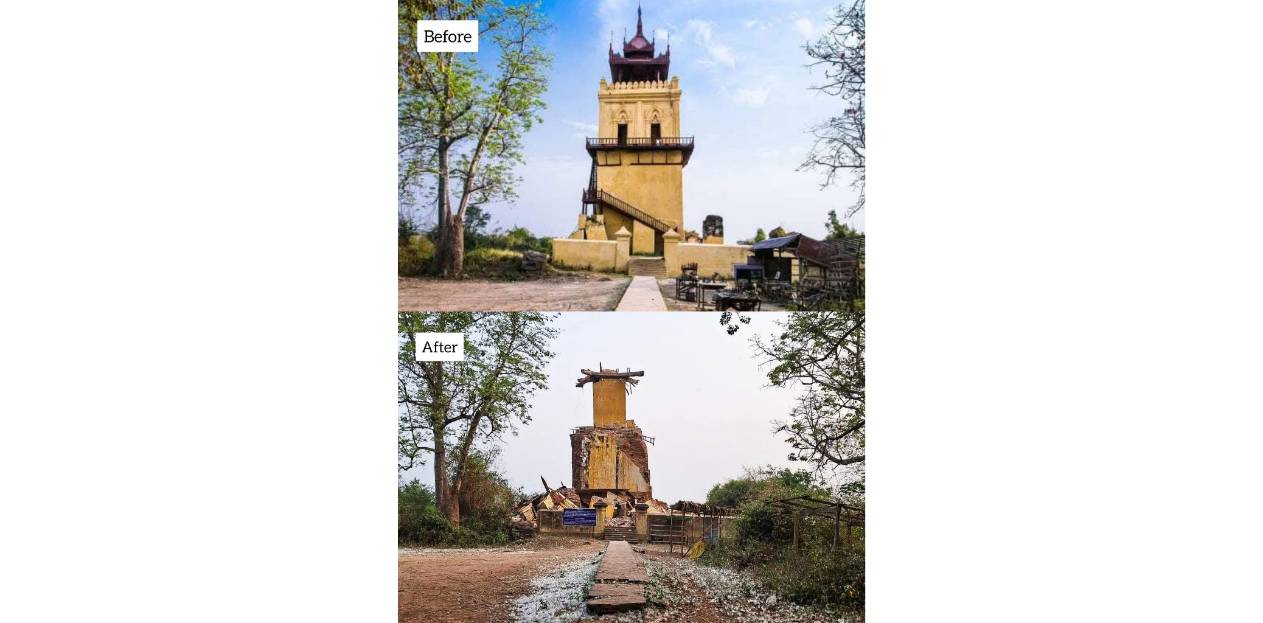
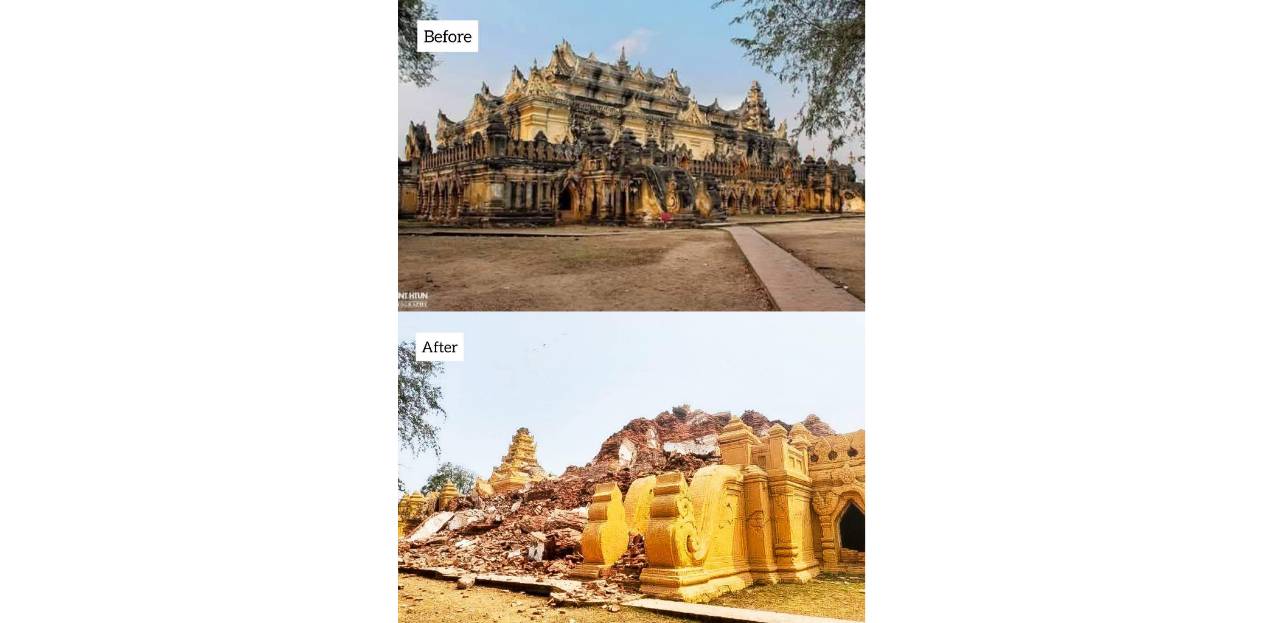
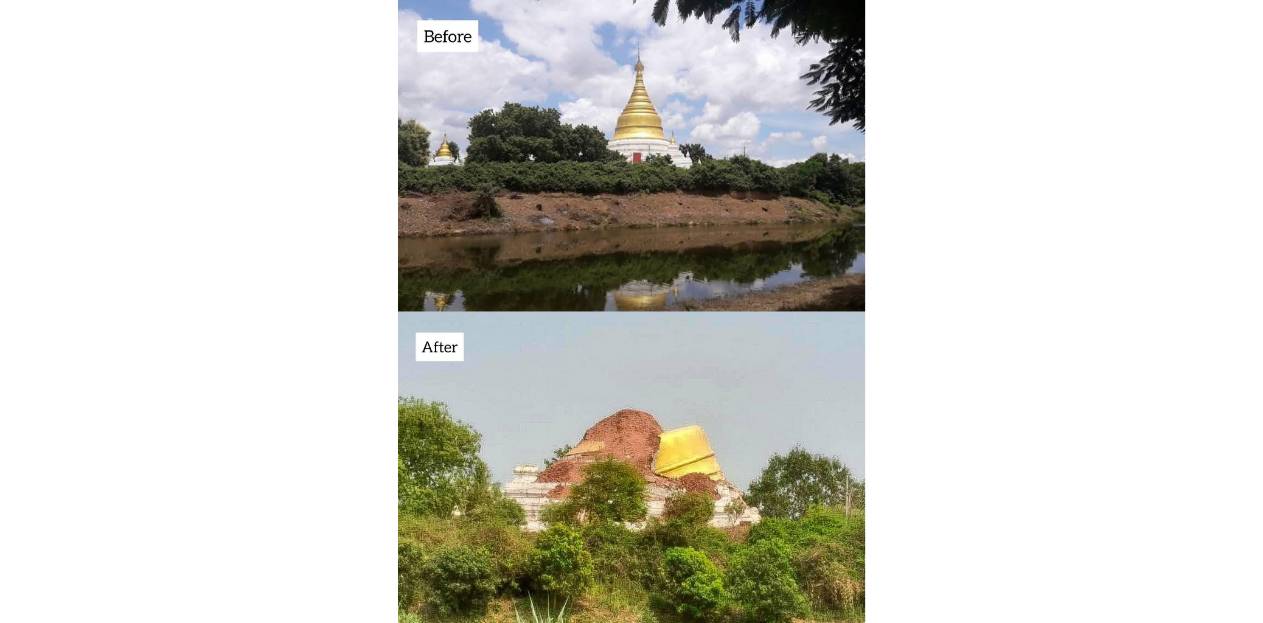
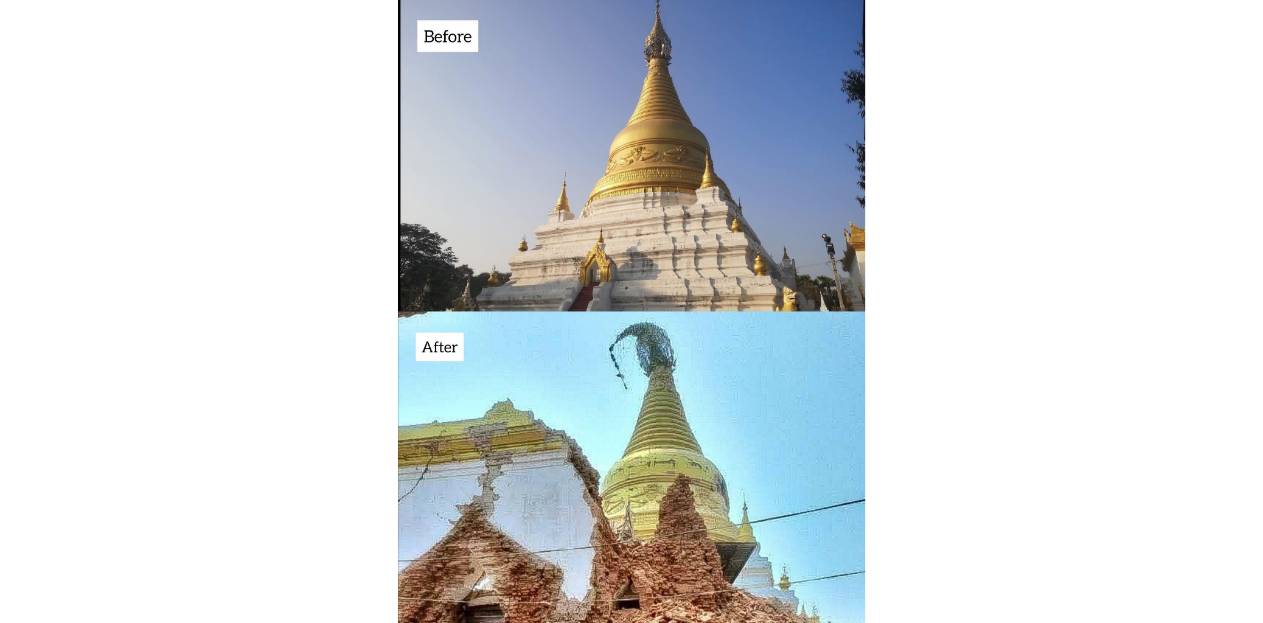
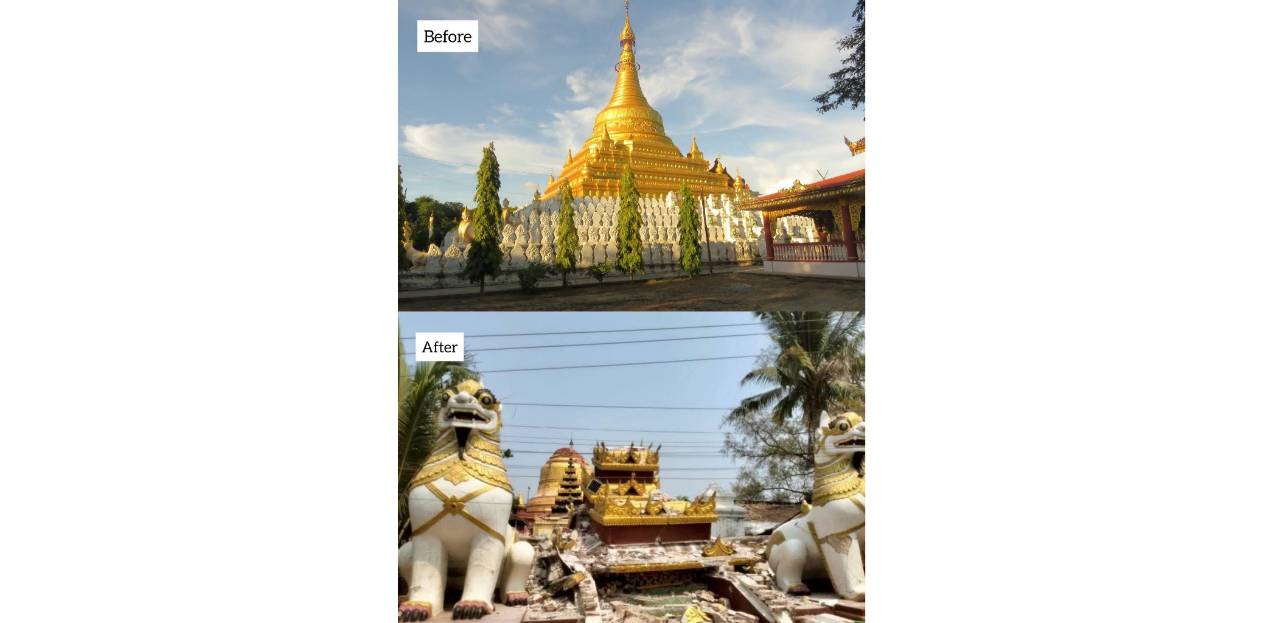
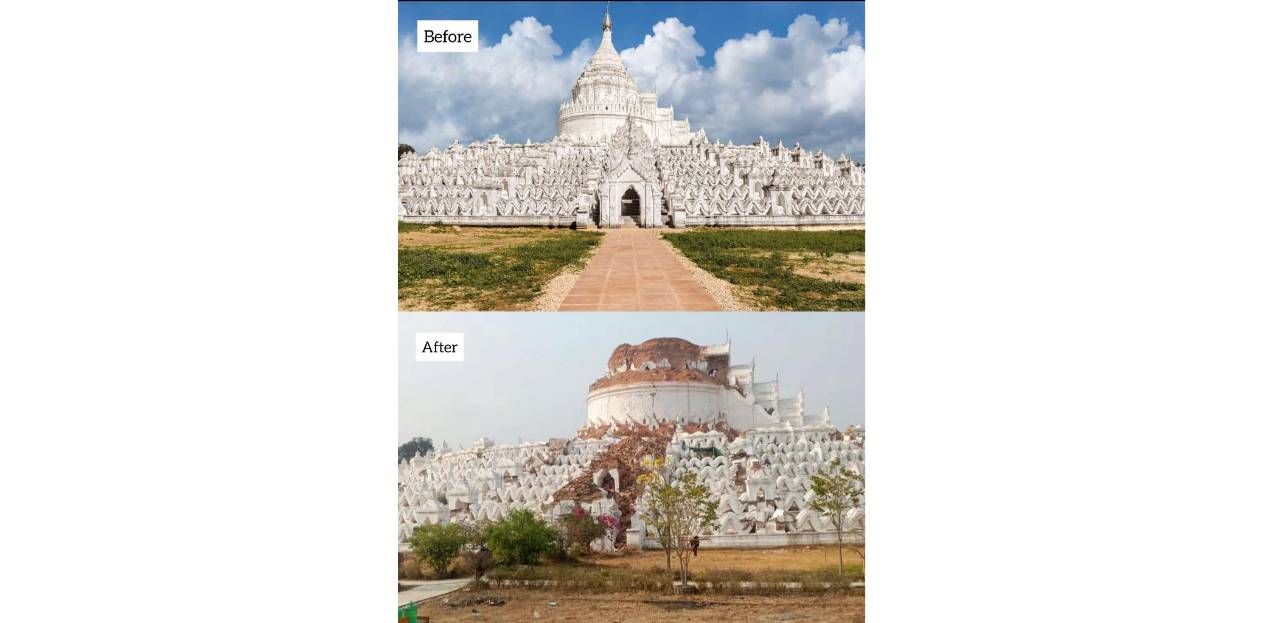
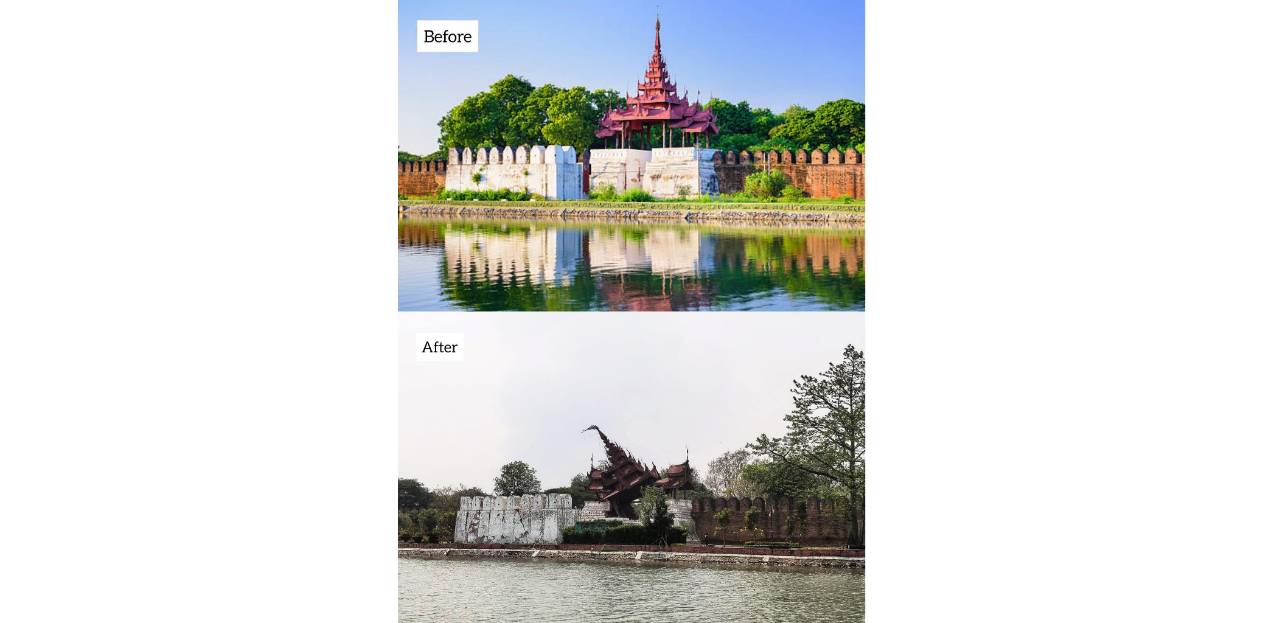
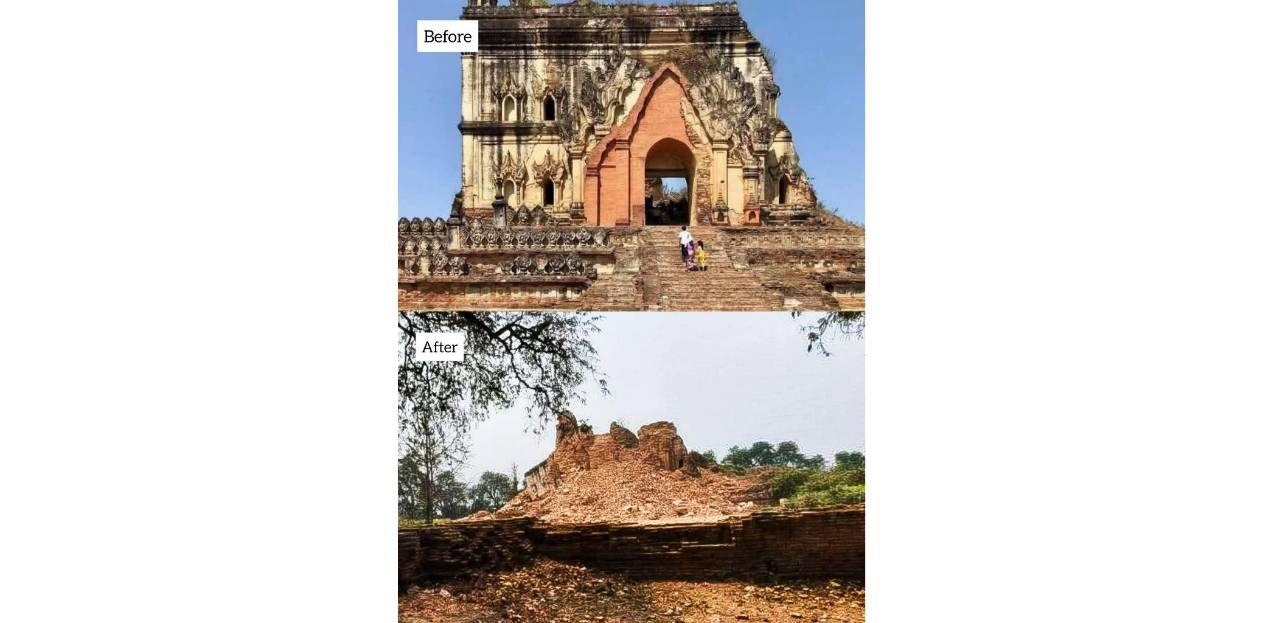
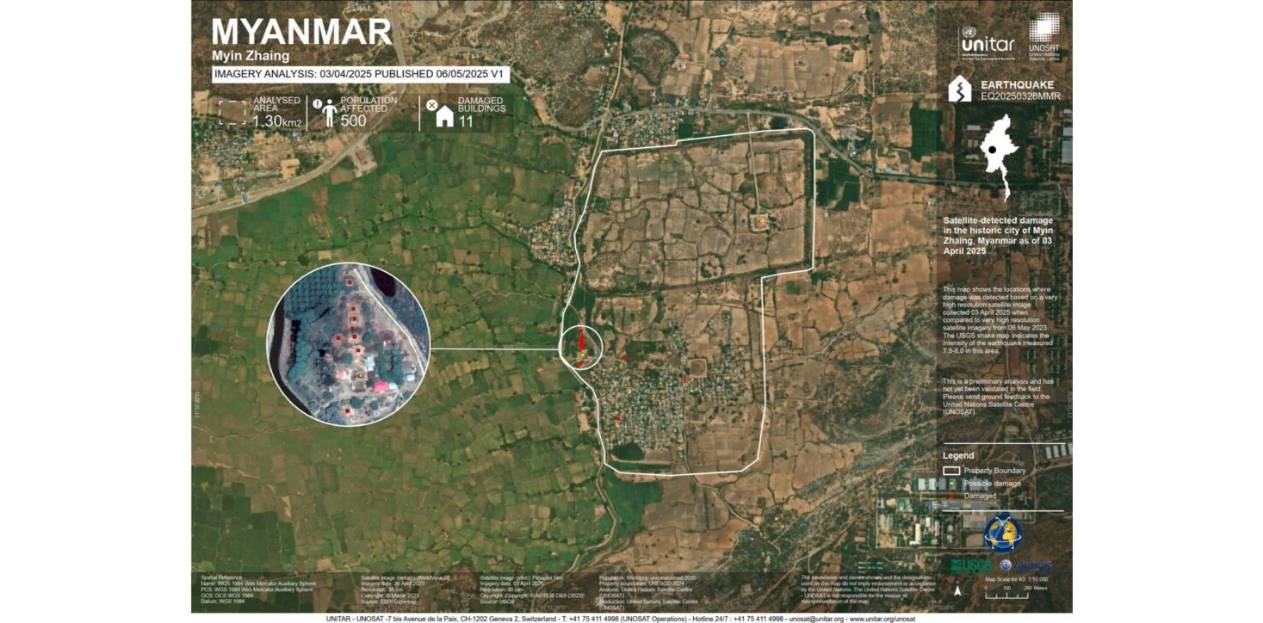
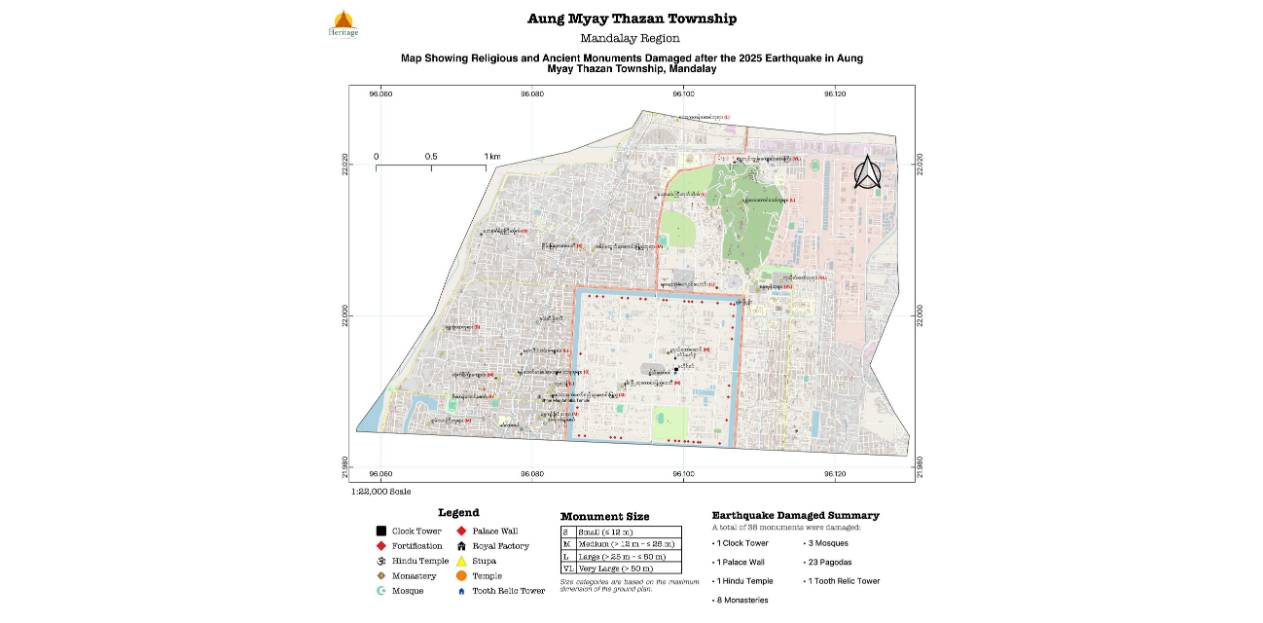
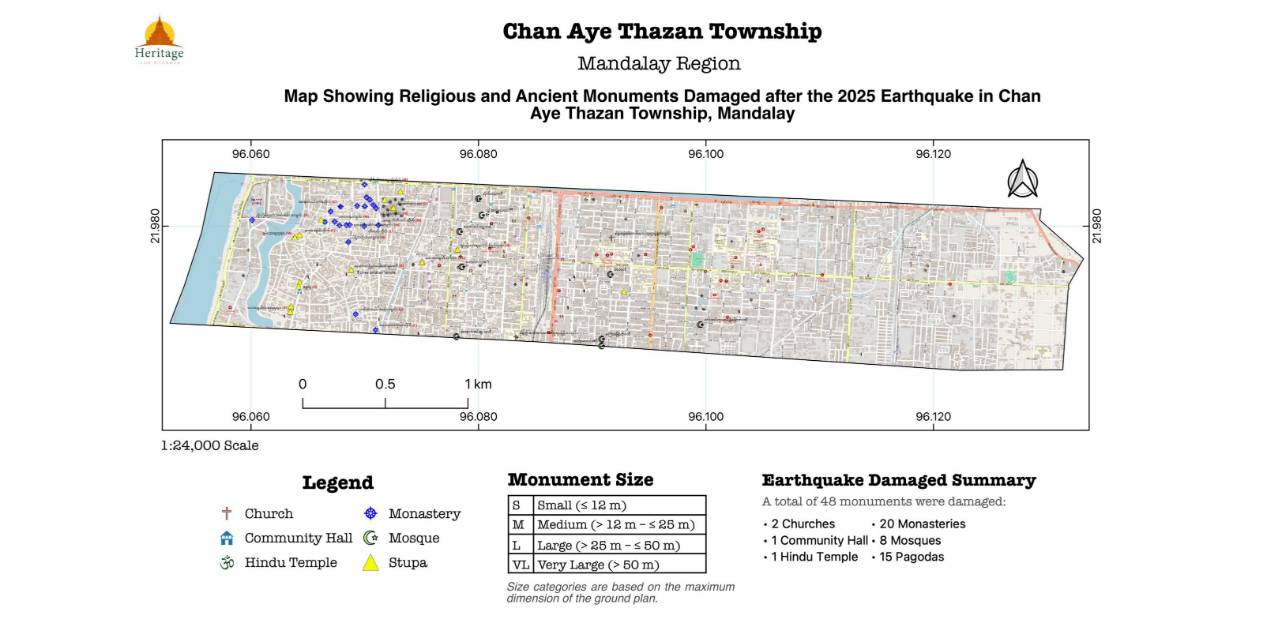
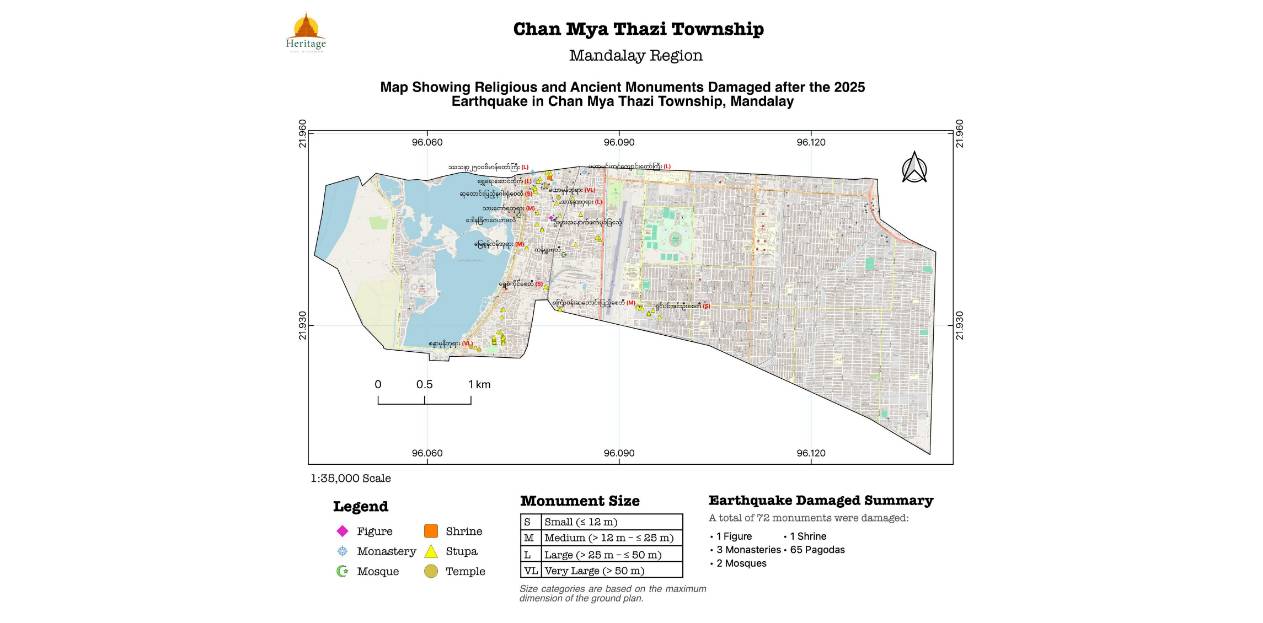
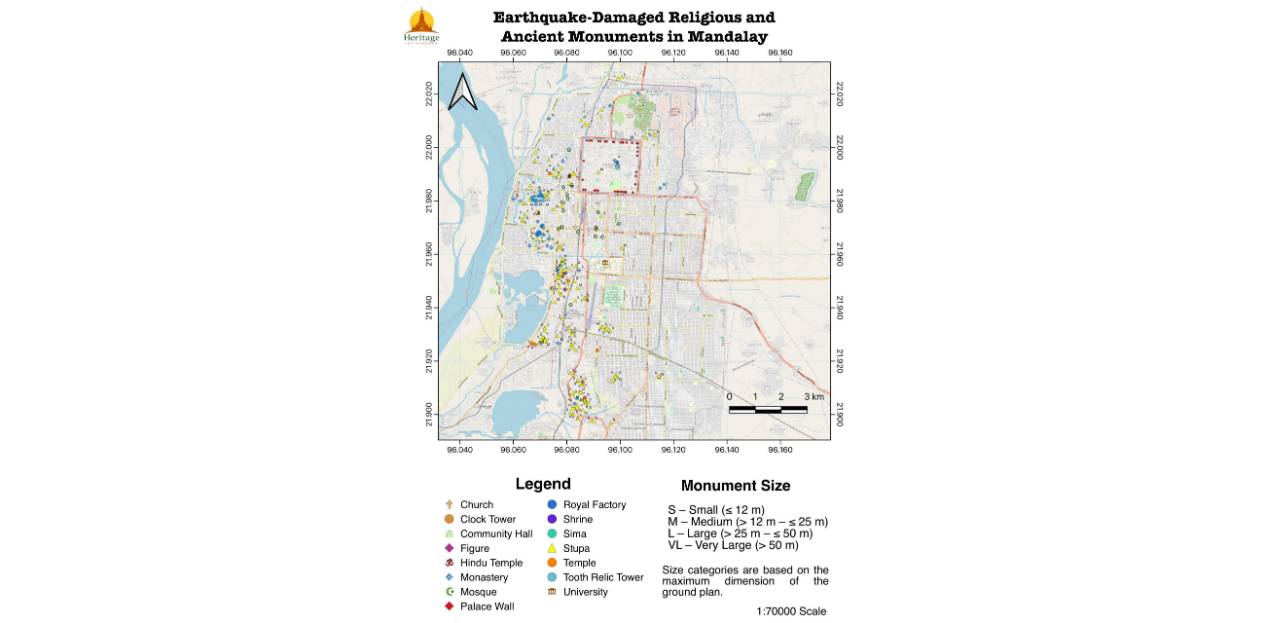
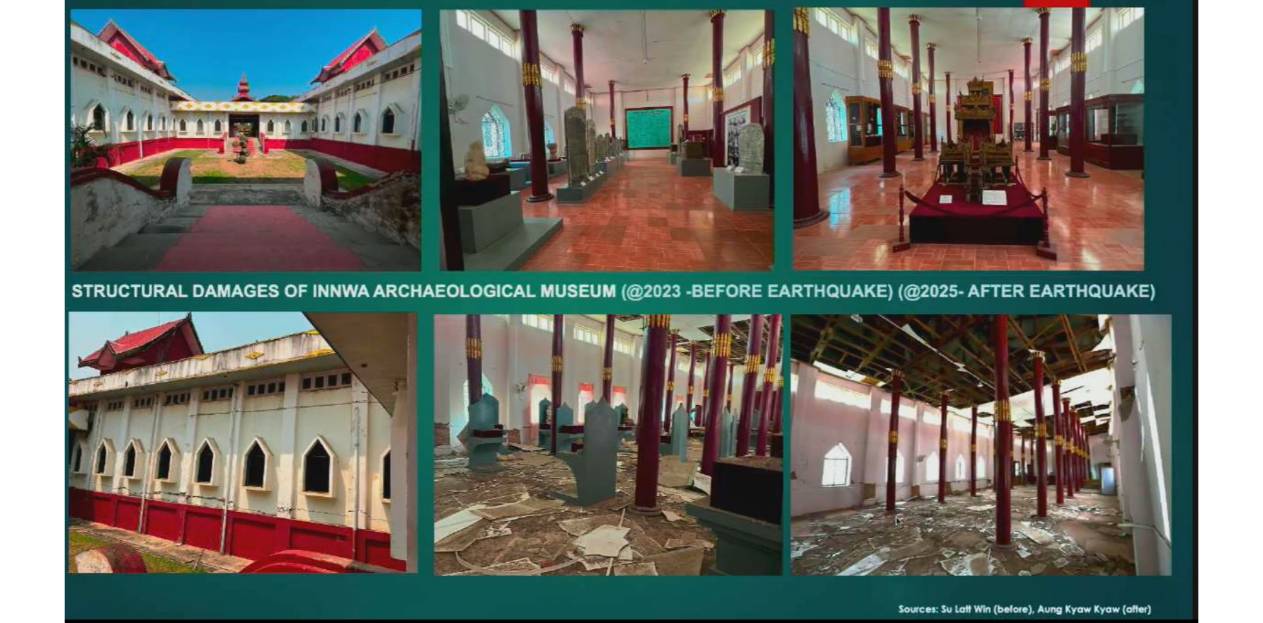
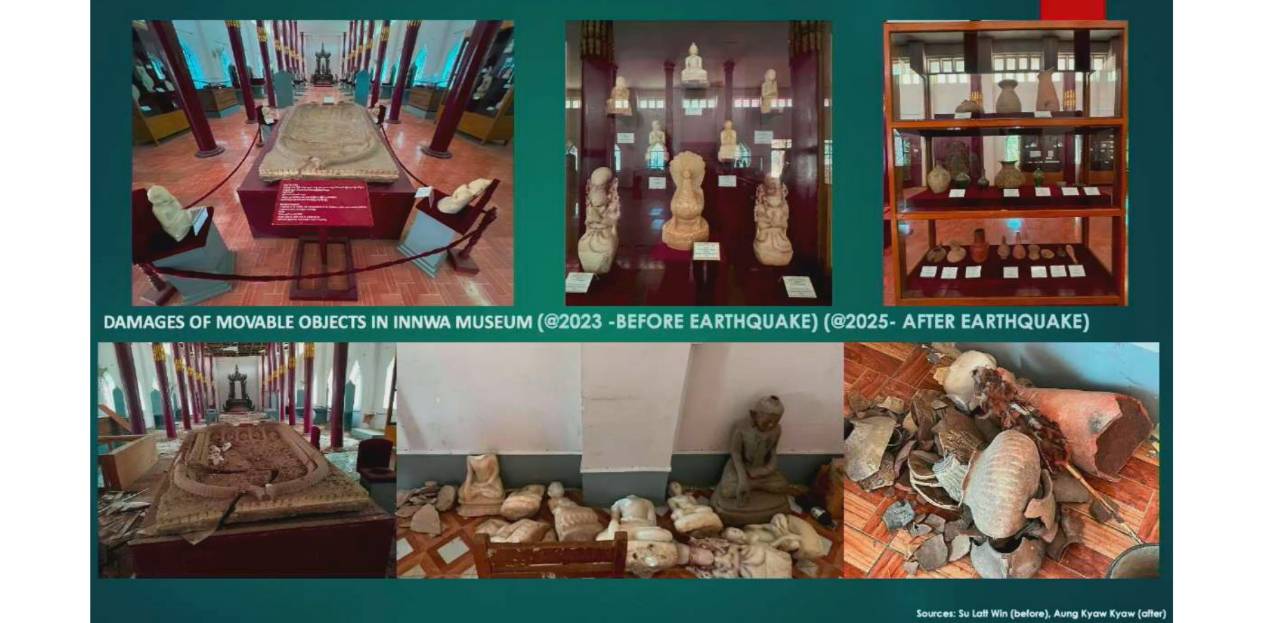
A UNESCO–ICOMOS-supported joint mission reported “significant damage” at the Ancient Cities of Upper Myanmar—Amarapura, Inwa (Ava), Sagaing, Mingun, and Mandalay—collectively on Myanmar’s Tentative World Heritage List. Damage included major religious complexes and museums; Kuthodaw Pagoda in Mandalay, which houses the inscribed stone Buddhist scriptures in UNESCO’s Memory of the World register, sustained serious structural impacts .At Inwa, media and departmental releases highlighted the destruction of the 19th-century Maha Aungmye Bonzan (Me Nu Brick) Monastery and broader monument losses, with implications for tourism-dependent livelihoods.
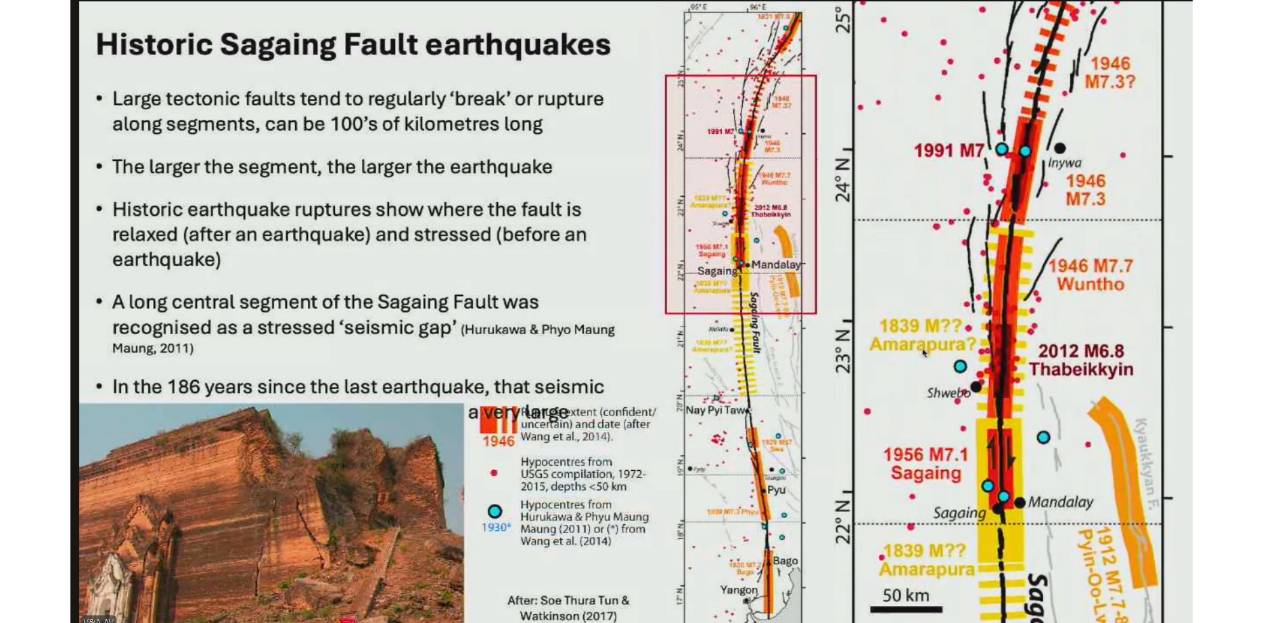
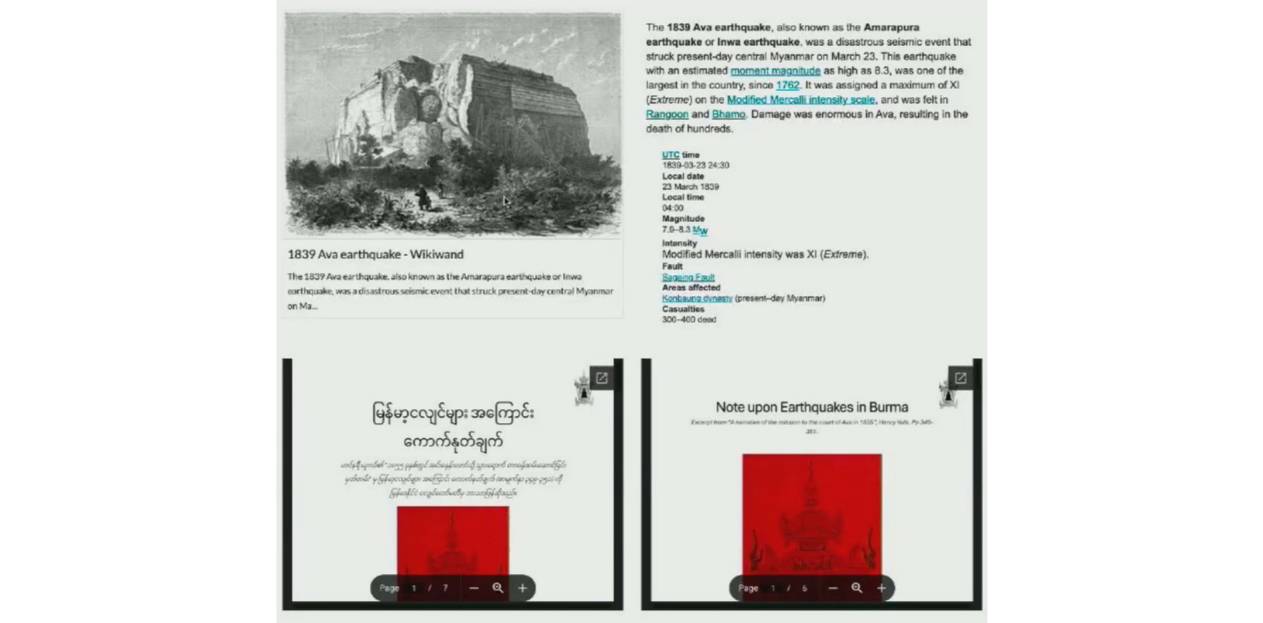
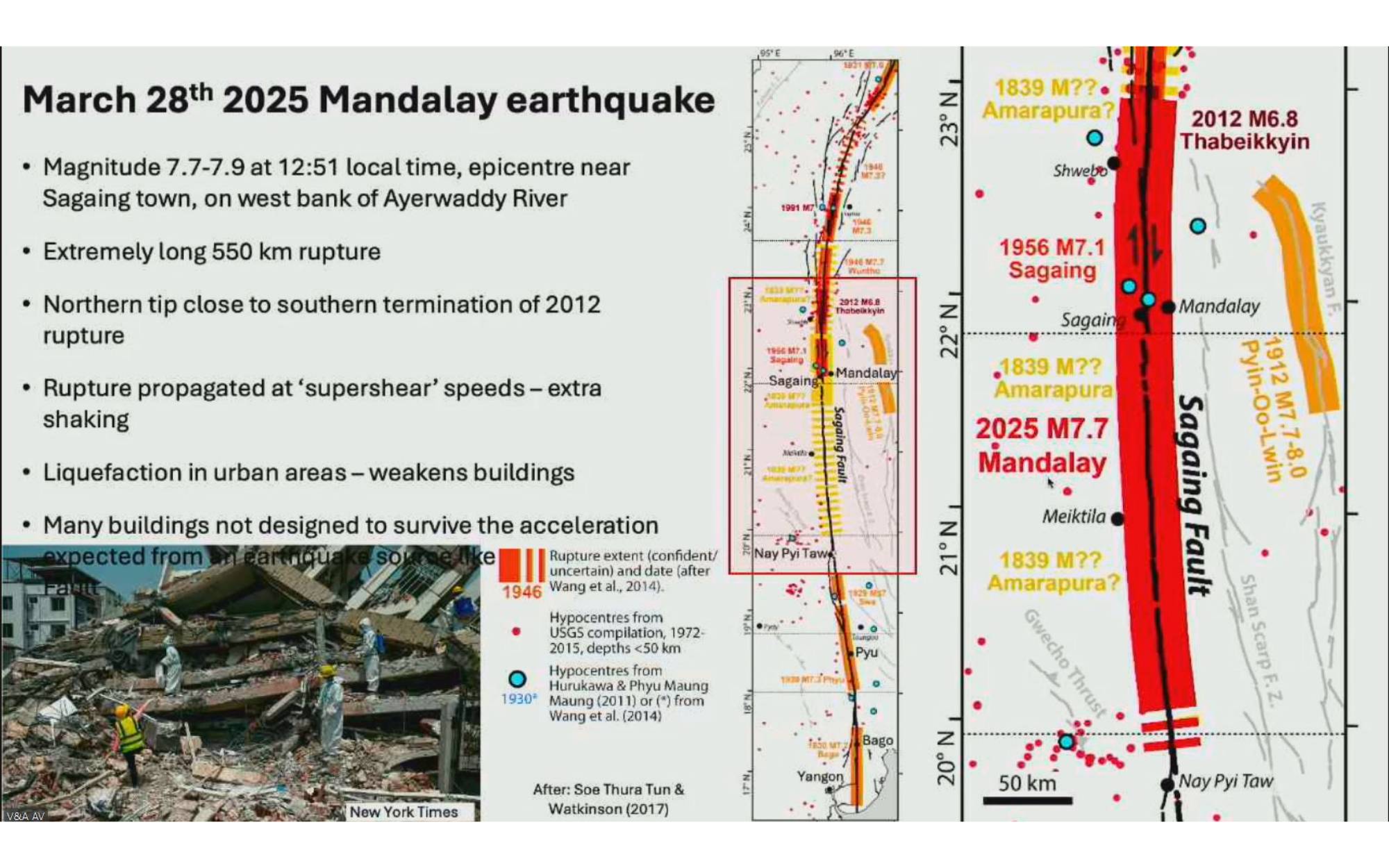
Seismology and shaking: USGS materials contextualized the event and regional hazard, aiding prioritization of inspections near fault-parallel structures and liquefaction-prone zones.
Building damage mapping: AI-assisted building damage mapping for Mandalay (Planet imagery, March 28) quantified severity bands across ~181,000 structures—useful for planning access routes and locating clusters near heritage zones.
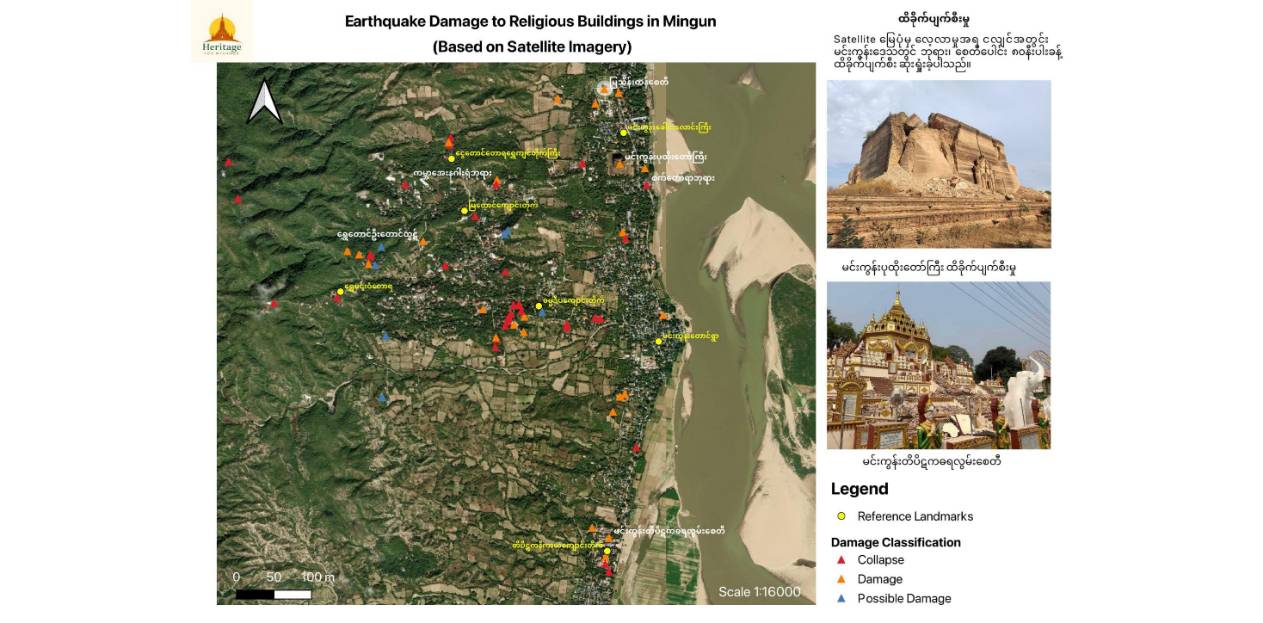
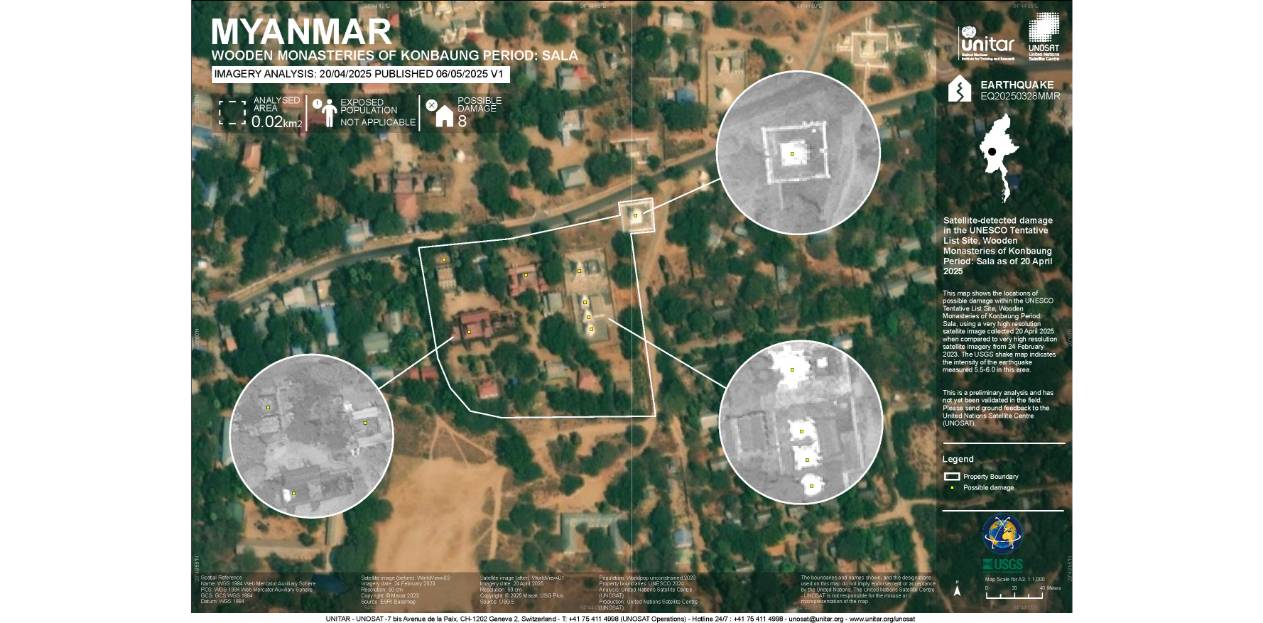
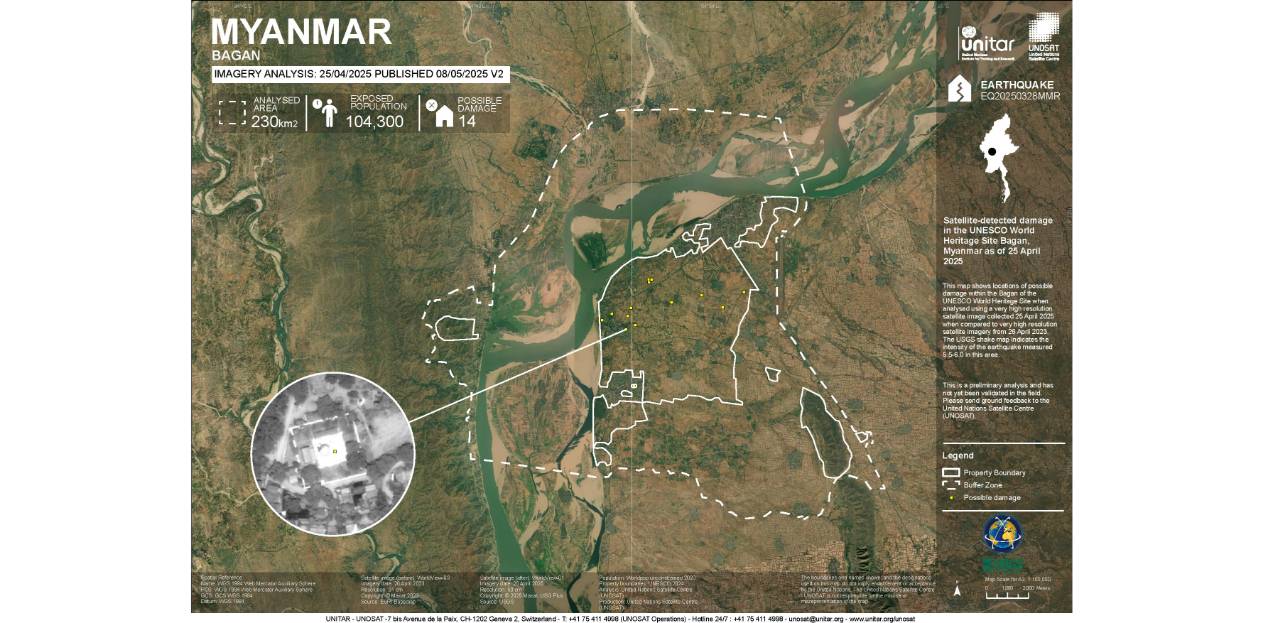
Interferometric and optical satellite analysis: UNU-INWEH and UNOSAT products provided rapid, comparable insights across multiple cities and within Bagan property components; however, satellite detection can miss fine cracking, stucco delamination, and foundation distress typical of brick and timber-frame shrines. Ground verification remains essential.
-
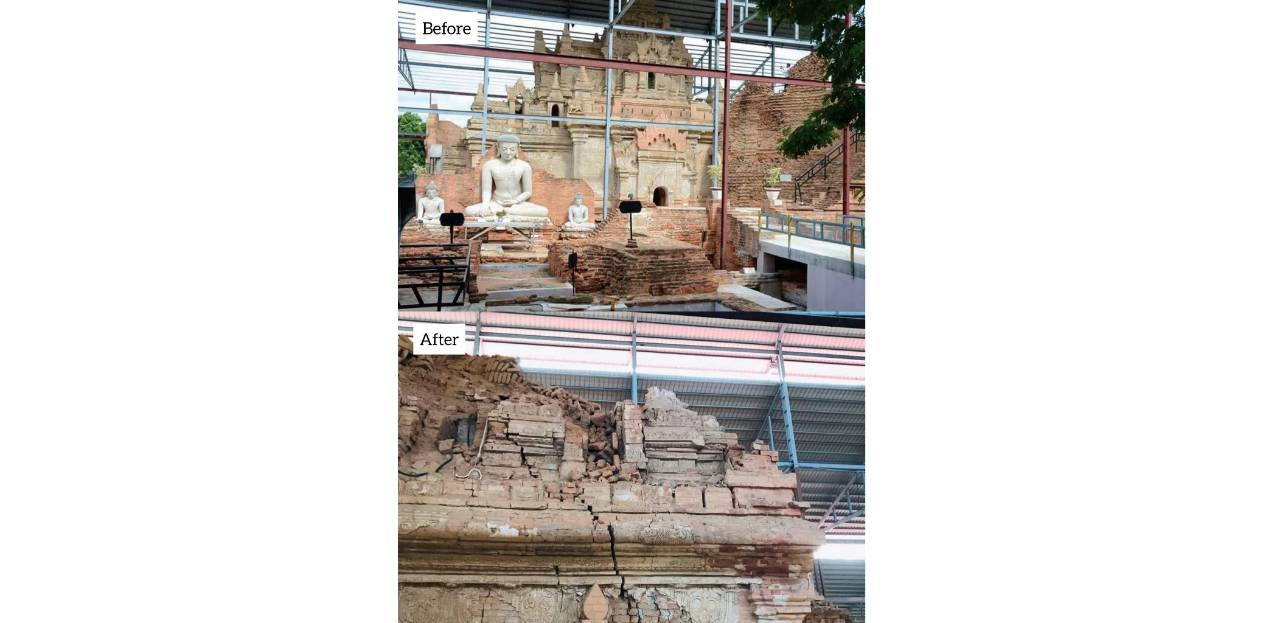
Unreinforced brick masonry with heavy stucco (Inwa/Mingun): shear cracking, out-of-plane wall failures, and partial collapses at corners and vaulted zones.
-
Perimeter fortifications and long walls (Mandalay Palace): sequential cracking along expansion joints and corners under strong lateral loads.
-
Timber-frame and mixed systems: differential movement between timber superstructures and masonry plinths producing detachment of ornamental elements—often invisible in satellite-only reviews.
-
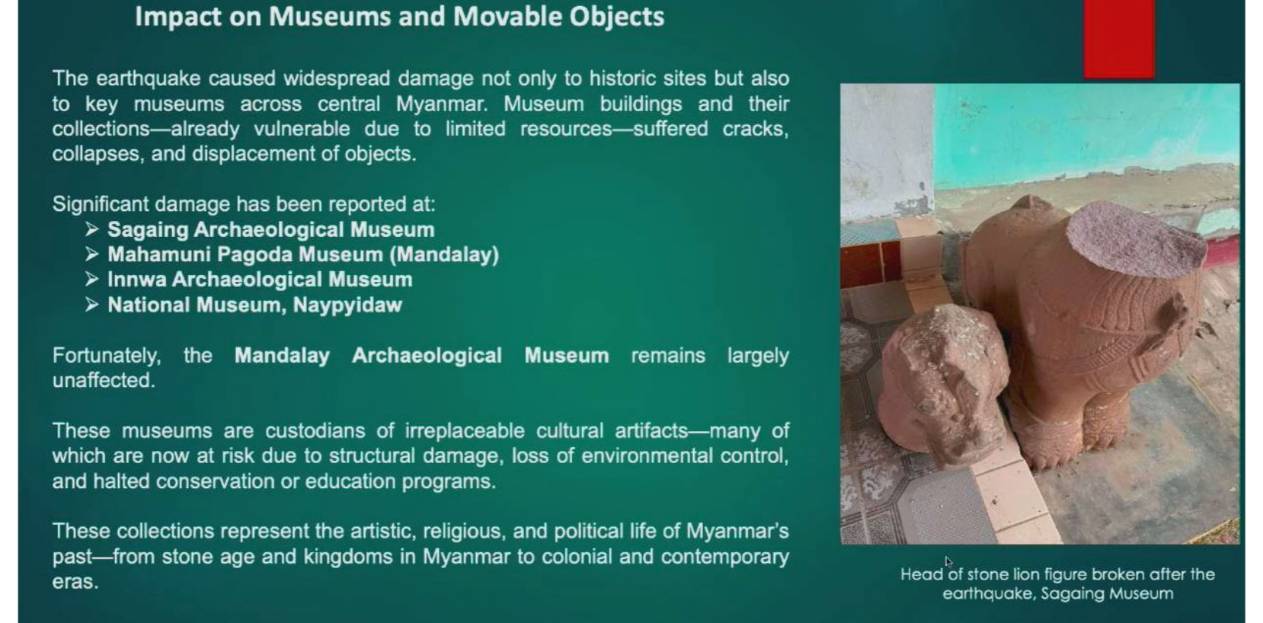
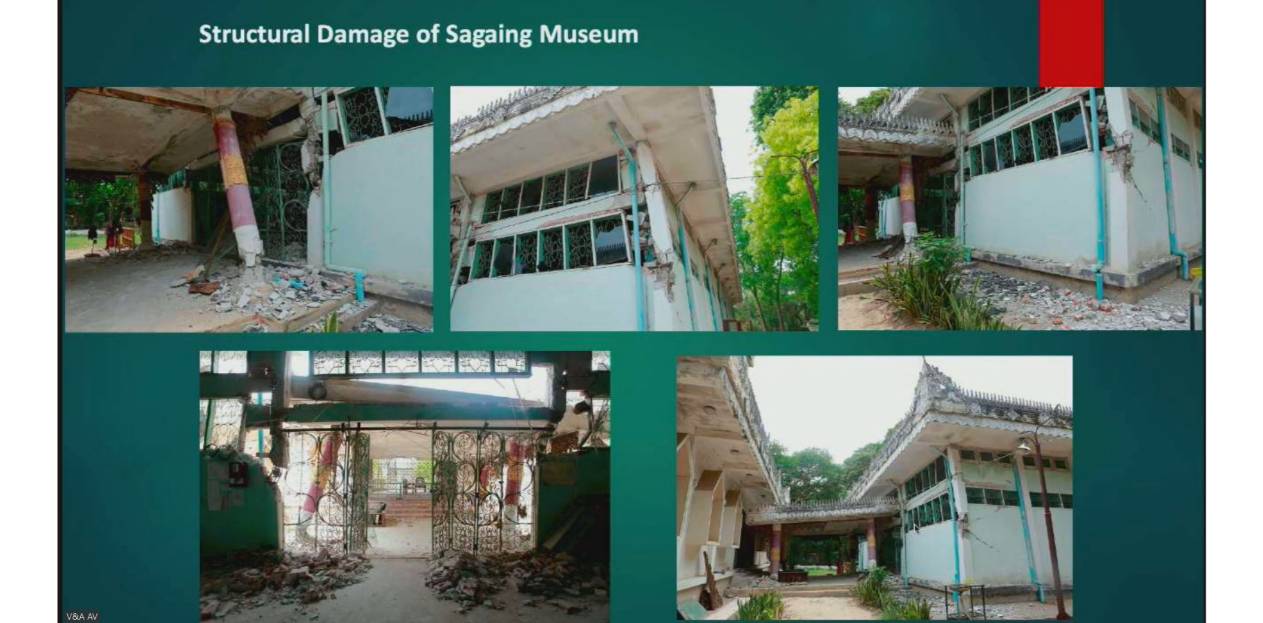
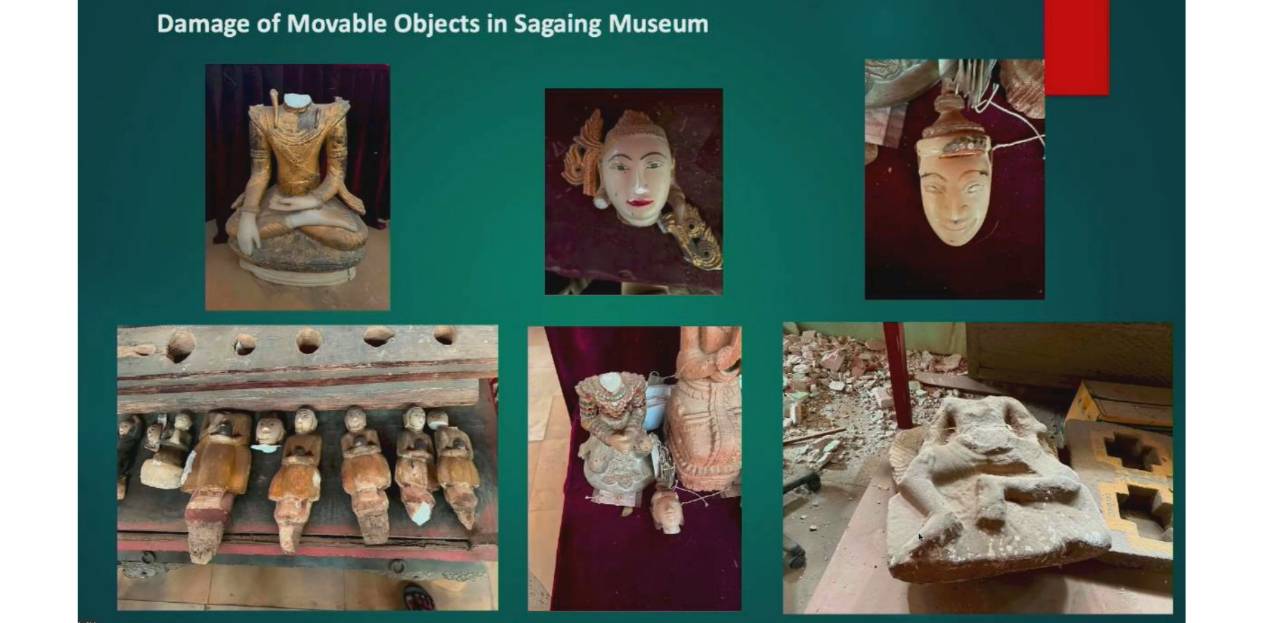
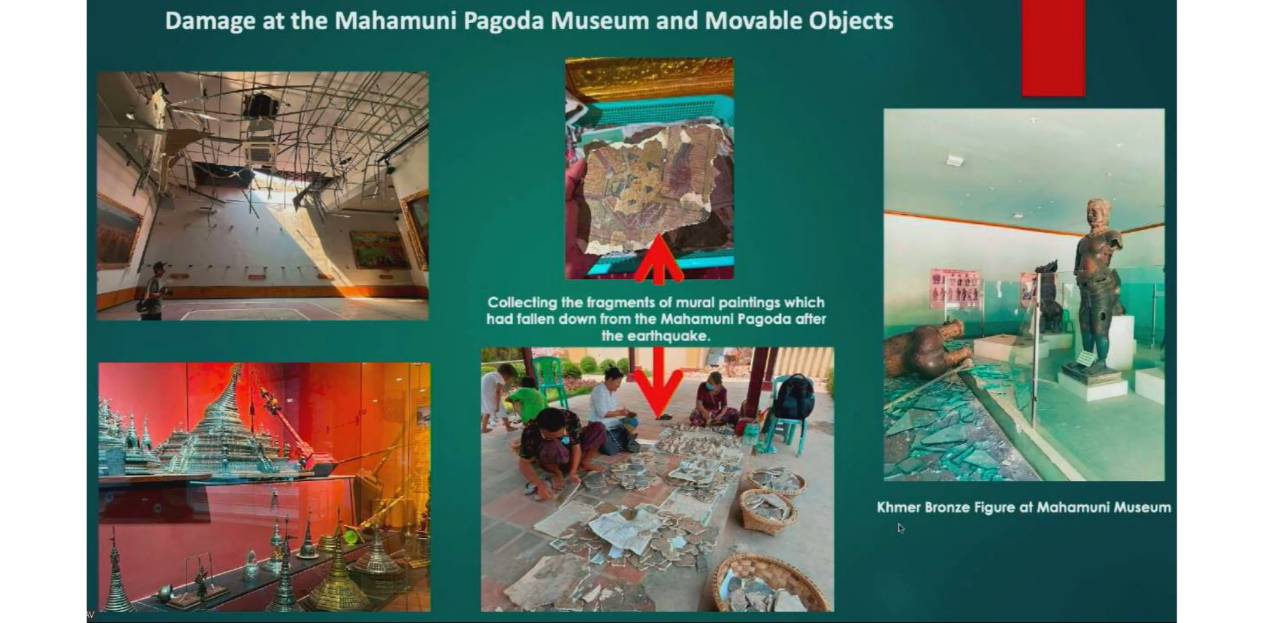
Collections and archives: shaking-induced shelf failures and roof cracking causing water ingress risk in museums (Sagaing, Mandalay).
The contrast between catastrophic damage in the Ancient Cities and relatively minor visible damage reported at Bagan offers a learning opportunity. Bagan’s post-2016 conservation campaigns, site management upgrades for the 2019 World Heritage inscription, and distance from peak shaking likely reduced 2025 impacts recorded by remote sensing. Yet minor cracks can propagate and threaten frescoes and stucco reliefs over time; thus, interior inspections and micro-conservation remain essential despite the reassuring satellite snapshot.
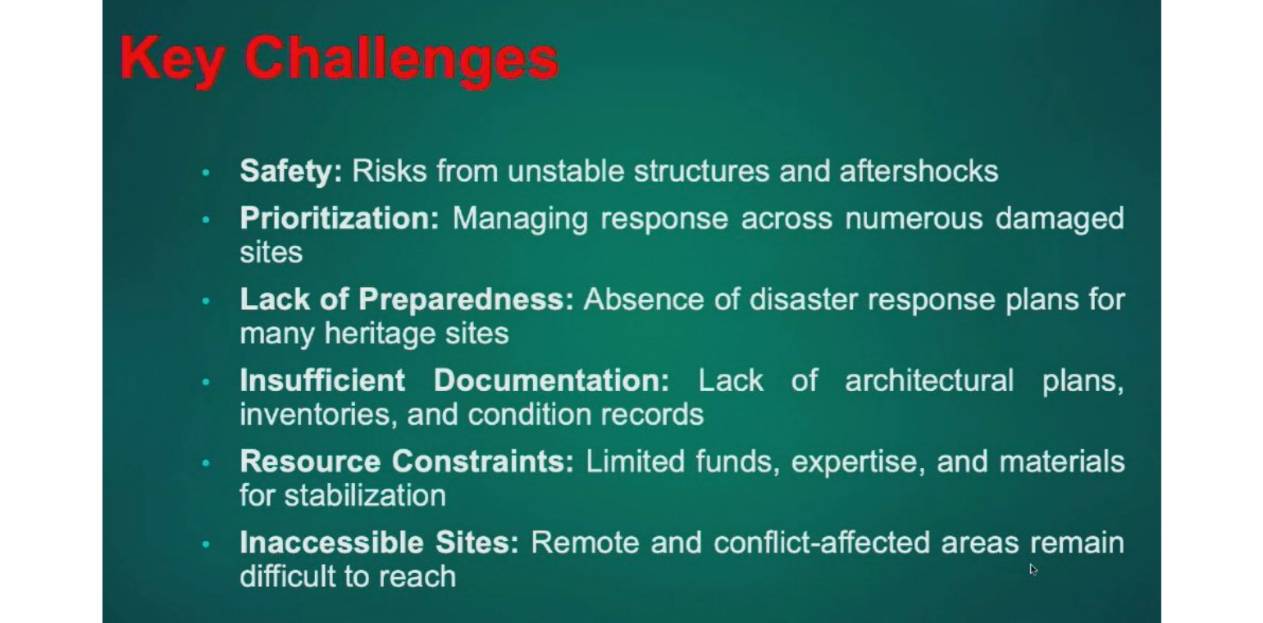
The 2025 earthquake created an uneven but profound cultural impact: severe losses in the Ancient Cities and Mandalay palace precinct; localized damage and discoveries near Inwa; and—so far—limited visible structural change at Bagan. A balanced recovery should combine careful structural stabilization, community-centered economic support, rigorous documentation, and sustained monitoring, while embedding seismic risk into everyday heritage management. Doing so can transform a moment of loss into a program of long-term resilience for Myanmar’s art, monuments, and living traditions.
More than a conference, it is a celebration—a collective reflection on how to protect what the earth has shaken, and a tribute to the enduring spirit of Myanmar’s creativity that refuses to fade, even in the face of devastation.
Other Posts